
What Is Agricultural Ammonium Chloride and How Can It Improve Soil Fertility and Crop Yield
Agricultural ammonium chloride is a widely used nitrogen fertilizer known for its high nitrogen content and excellent performance in alkaline soils. This comprehensive guide explores its composition, agricultural benefits, application methods, crop suitability, soil compatibility, environmental considerations, and comparison with other nitrogen fertilizers. You will also learn how RONGDA ensures quality production standards to support sustainable farming and improved crop yields worldwide.

Table of Contents
- 1. What Is Agricultural Ammonium Chloride?
- 2. Chemical Composition and Key Properties
- 3. How Does It Improve Soil Fertility?
- 4. Suitable Crops and Soil Types
- 5. Application Methods and Dosage Guidelines
- 6. Comparison with Other Nitrogen Fertilizers
- 7. Environmental Impact and Safety Considerations
- 8. Why Choose RONGDA Agricultural Ammonium Chloride?
- 9. Frequently Asked Questions (FAQ)
1. What Is Agricultural Ammonium Chloride?
Agricultural ammonium chloride (NH₄Cl) is an inorganic nitrogen fertilizer widely used in crop production. It contains approximately 24–26% nitrogen, making it an efficient nitrogen source for plants. As a chloride-based nitrogen fertilizer, it is especially suitable for crops tolerant to chloride and for alkaline soils that benefit from mild acidification.
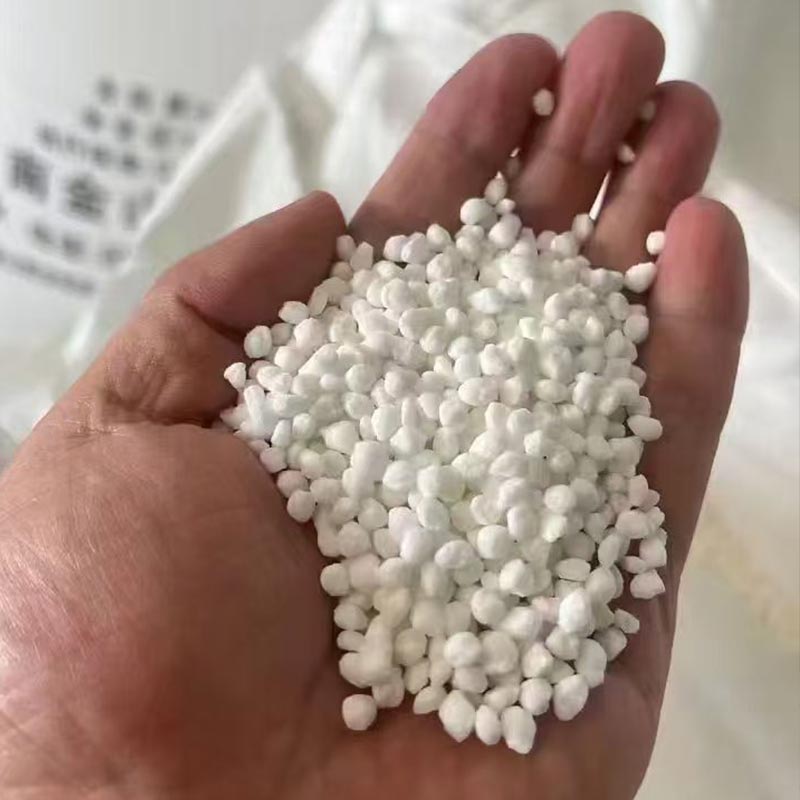
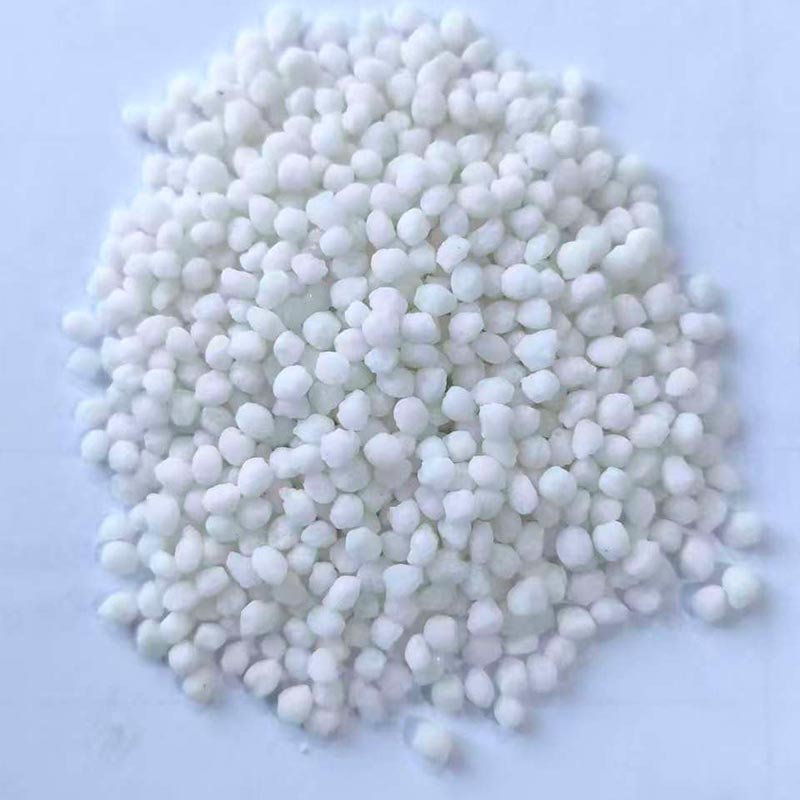
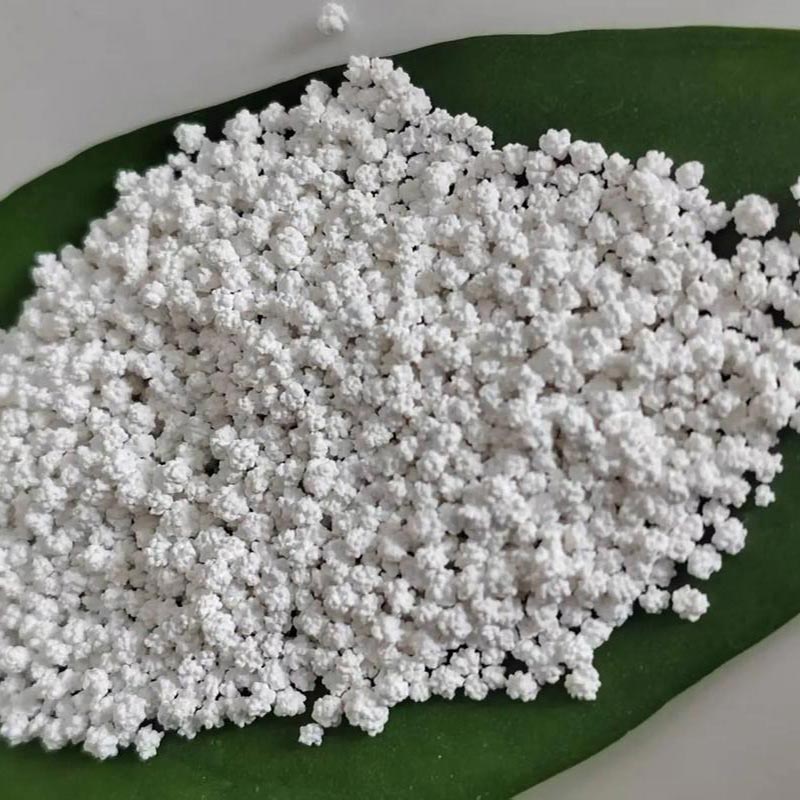
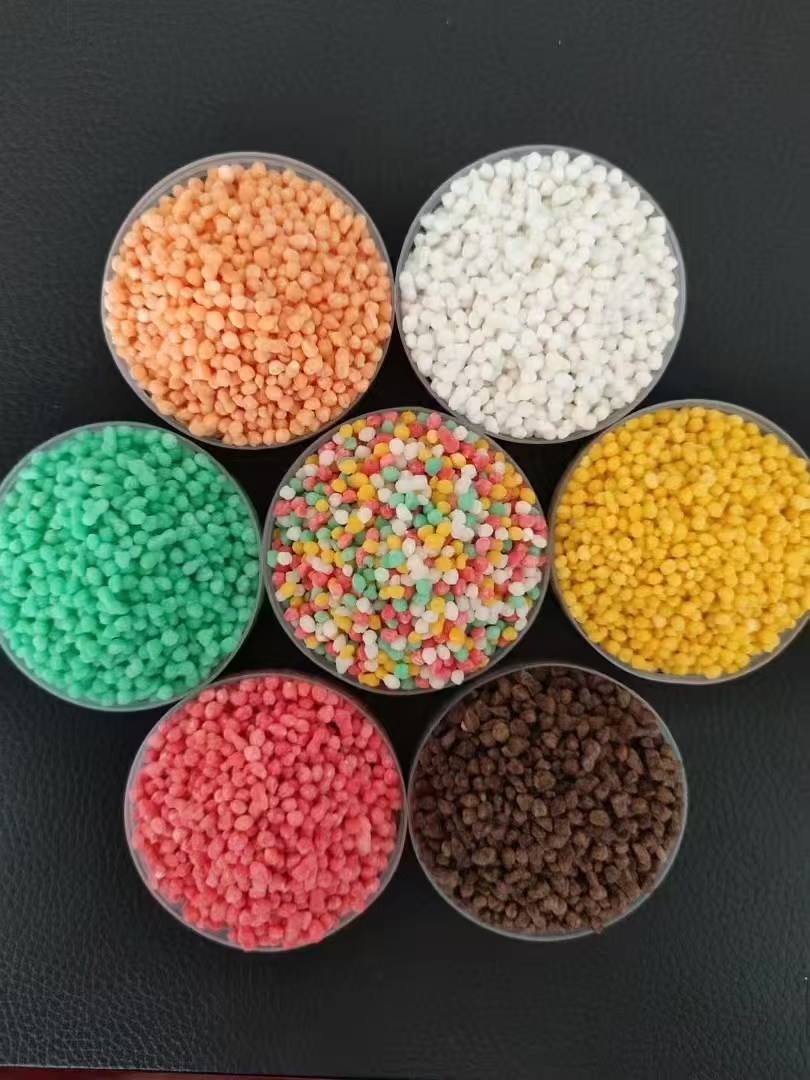
This fertilizer is commonly manufactured as white crystalline powder or granules and is known for its high solubility in water, allowing rapid nitrogen availability after soil application.
2. Chemical Composition and Key Properties
| Property | Value |
|---|---|
| Chemical Formula | NH₄Cl |
| Nitrogen Content | 24–26% |
| Appearance | White crystal or granule |
| Solubility | Highly soluble in water |
| Soil Effect | Physiologically acidic |
One of the most important features of ammonium chloride is its acidifying effect. When ammonium (NH₄⁺) converts to nitrate (NO₃⁻) in soil through nitrification, hydrogen ions are released, lowering soil pH slightly. This makes it particularly beneficial in alkaline soils.
3. How Does It Improve Soil Fertility?
3.1 Efficient Nitrogen Supply
Nitrogen is a vital macronutrient required for chlorophyll production and protein synthesis. Ammonium chloride provides nitrogen in ammonium form, which plants can absorb directly or after microbial conversion.
3.2 Enhances Microbial Activity
The ammonium form stimulates soil microbial populations, promoting organic matter decomposition and improving nutrient cycling efficiency.
3.3 Improves Crop Yield and Quality
- Boosts vegetative growth
- Enhances leaf greenness
- Increases protein content in grains
- Promotes uniform crop development
4. Suitable Crops and Soil Types
4.1 Chloride-Tolerant Crops
- Rice
- Wheat
- Cotton
- Barley
- Maize
4.2 Soil Compatibility
Agricultural ammonium chloride is best suited for:
- Alkaline soils
- Calcareous soils
- Soils with high pH levels
It is generally not recommended for chloride-sensitive crops such as tobacco, potatoes, or certain fruits.
5. Application Methods and Dosage Guidelines
5.1 Application Methods
- Basal fertilization before planting
- Top dressing during vegetative growth
- Blending in compound fertilizers
5.2 Recommended Dosage
| Crop Type | Suggested Application Rate (kg/ha) |
|---|---|
| Rice | 150–250 |
| Wheat | 120–200 |
| Cotton | 100–180 |
Actual dosage should be adjusted based on soil test results, crop requirements, and climatic conditions.
6. Comparison with Other Nitrogen Fertilizers
| Fertilizer | N Content | Soil Effect | Best Use |
|---|---|---|---|
| Ammonium Chloride | 24–26% | Acidifying | Alkaline soils |
| Urea | 46% | Neutral to slightly acidic | General crops |
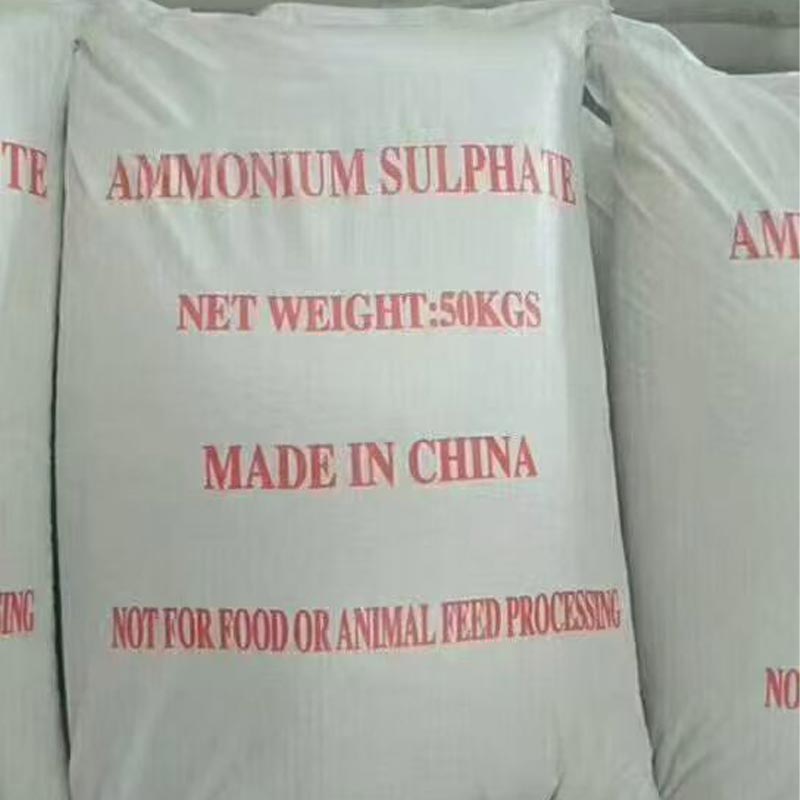
| Ammonium Sulfate | 21% | Strongly acidifying | Sulfur-deficient soils |
Compared with urea, ammonium chloride provides a stable nitrogen supply with reduced volatilization loss in certain conditions. It is often chosen when cost efficiency and soil pH management are priorities.
7. Environmental Impact and Safety Considerations
- Avoid over-application to prevent soil salinity issues.
- Apply evenly and incorporate into soil.
- Store in dry, ventilated environments.
- Follow recommended agricultural guidelines.
Responsible fertilizer management improves nutrient use efficiency and reduces environmental risk.
8. Why Choose RONGDA Agricultural Ammonium Chloride?
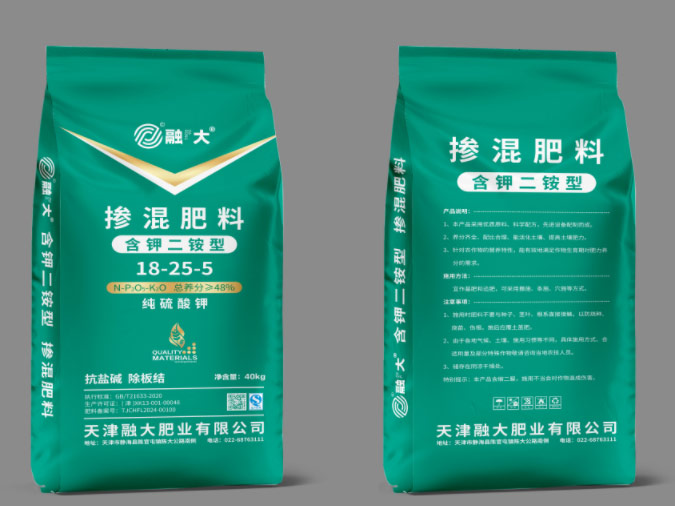
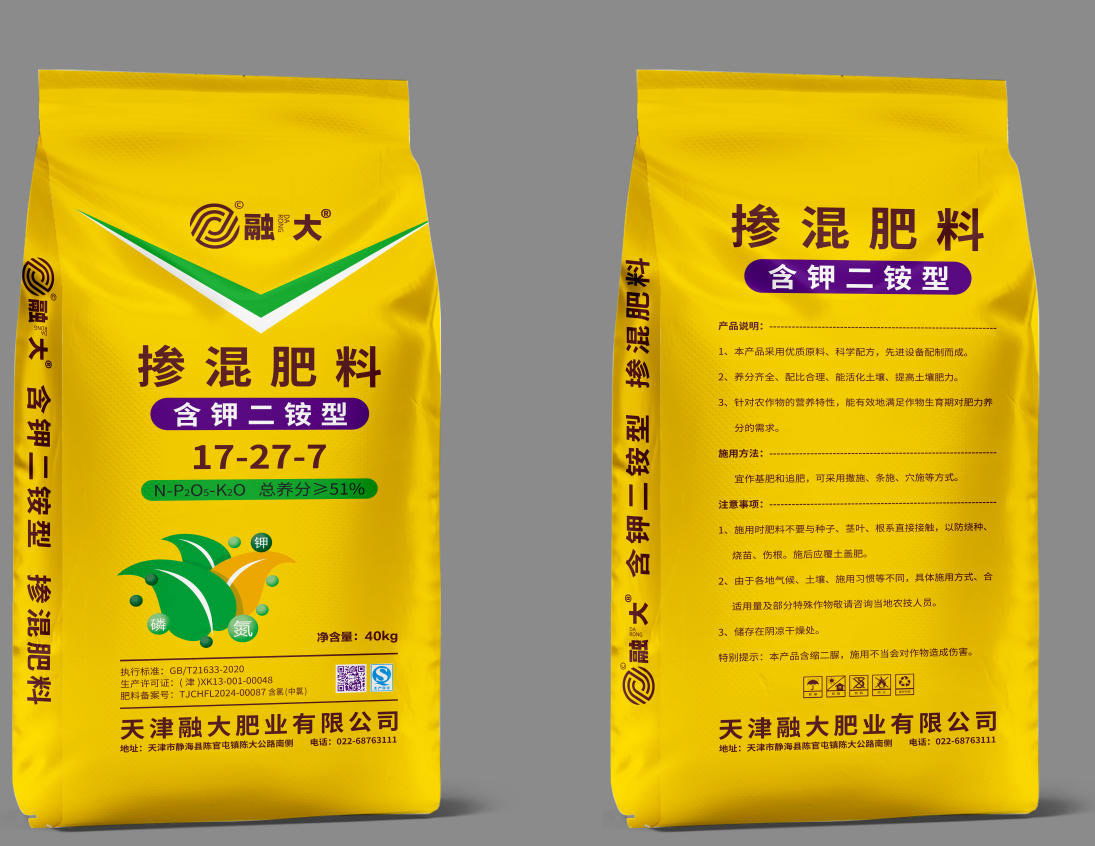
RONGDA specializes in manufacturing high-quality agricultural ammonium chloride with strict quality control standards. With advanced production technology and stable supply capability, RONGDA supports global distributors and farmers with reliable nitrogen fertilizer solutions.
- High nitrogen purity
- Uniform granulation
- Stable chemical composition
- Competitive bulk supply
9. Frequently Asked Questions (FAQ)
Q1: Is ammonium chloride suitable for all crops?
No. It is best for chloride-tolerant crops such as rice and wheat.
Q2: Can it reduce soil alkalinity?
Yes. Its acidifying effect helps lower soil pH over time.
Q3: How should it be stored?
Store in a dry, cool place away from moisture to prevent caking.
Q4: Is it cost-effective compared to urea?
In many markets, ammonium chloride offers competitive pricing and stable nitrogen performance.
Conclusion
Agricultural ammonium chloride remains a reliable and efficient nitrogen fertilizer, particularly for alkaline soils and chloride-tolerant crops. Its balanced nitrogen content, soil-conditioning properties, and cost advantages make it an important component in modern fertilizer programs.
If you are looking for a dependable supplier with consistent quality and global export experience, RONGDA is ready to support your agricultural needs. For detailed specifications, bulk orders, or customized solutions, contact us today to enhance your crop productivity and fertilizer efficiency.
Related News
- How Do Controlled-Release Curves Match Crop Demand?
- Can Magnesium Sulfate Be Used in Saline-Alkali Soil? What Are the Risks of Long-Term Application?
- How Do You Turn a Soil Test into a Blend Sheet?
- How Does Applying Magnesium Sulfate After Grape Harvest Help Bud Burst in the Next Year?
- Which Magnesium Sulfate Fits Your Ground?
- Can Foliar Spraying Magnesium Sulfate During Fruit Expansion Improve Fruit Sweetness?
Leave me a message