
What precautions should be taken when applying ammonium chloride to acidic soils?
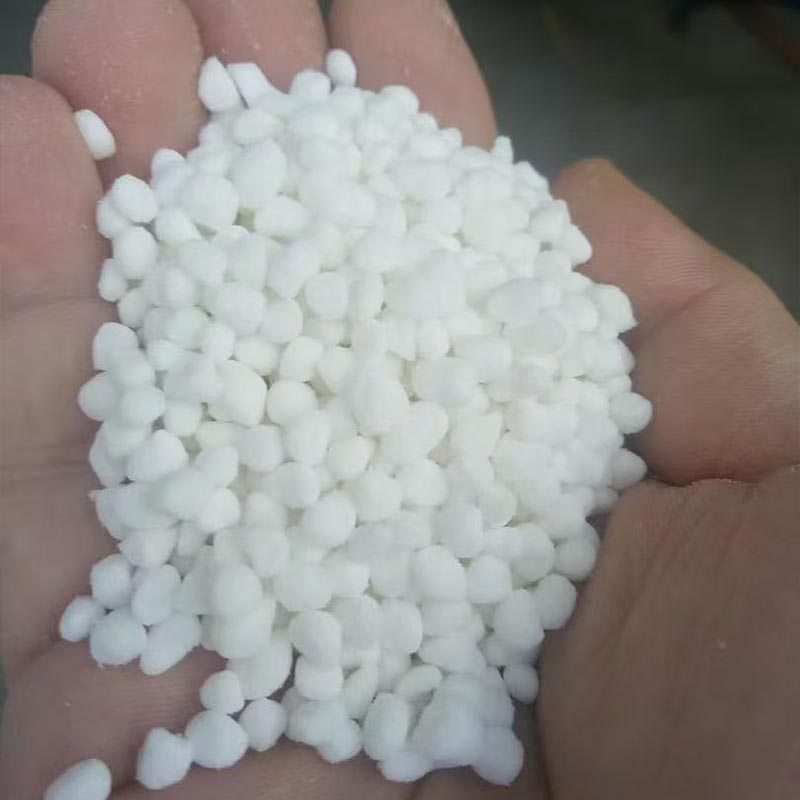
Ammonium chloride is a commonly used fast-acting nitrogen fertilizer in agricultural production. It has a stable nitrogen content and rapid effect, providing sufficient nitrogen for crop growth. However, it is a physiologically acidic fertilizer. Improper application in acidic soils can easily exacerbate soil acidification and affect nutrient absorption. Farmers need to master the key points of scientific application to ensure fertilizer effectiveness and soil health.
Acidic soils naturally have a low pH value. The primary principle when applying ammonium chloride is to control the dosage and apply it in small amounts multiple times. A single application should not be too large to avoid a rapid increase in soil acidity, which can damage the microbial environment and reduce the availability of nutrients such as phosphorus, calcium, and magnesium. It is recommended to prioritize its use as a base fertilizer or top dressing, applied deeply to a depth of 10-15 cm. After covering with soil, water promptly to promote fertilizer dissolution and reduce the accumulation of chloride ions in the topsoil.

Secondly, the key is to apply alkaline materials in combination. Quicklime, calcium magnesium phosphate fertilizer, or well-rotted organic fertilizer can be used to neutralize soil acidity and enhance buffering capacity. Note that alkaline materials and ammonium chloride should be applied alternately and not directly mixed to prevent nitrogen volatilization loss. At the same time, avoid applying ammonium chloride alone for many consecutive years; it can be used alternately with nitrogen fertilizers such as urea to reduce the risk of chloride ion and acidic substance accumulation.
It's also important to avoid applying ammonium chloride to chlorine-sensitive crops. Tobacco, potatoes, grapes, sugar beets, and tea trees are all sensitive to chloride ions and are more easily affected in acidic soils. Ammonium chloride should never be applied to these crops to avoid reducing quality and yield. Furthermore, it's not recommended to apply it to saline-alkali land or poorly drained areas to prevent exacerbating salt damage.
Scientific application of ammonium chloride can leverage its rapid nitrogen supply advantage while protecting the acidic soil ecosystem, achieving stable yields and increased income. Fertilizer selection and application techniques directly determine planting benefits; reliable fertilizer products are the foundation of scientific fertilization.
Rongda is a professional manufacturer of agricultural ammonium chloride, specializing in its research, production, and supply for many years. With standardized production lines and a strict quality control system, its products boast high purity, meet nitrogen content standards, have low impurities, and offer stable performance suitable for various farmland soils. Leveraging mature production processes, a comprehensive supply chain, and professional technical services, the company provides high-quality agricultural ammonium chloride and fertilization guidance to growers and agricultural input suppliers nationwide. With its strong capabilities and reliable reputation, Rongda's agricultural ammonium chloride helps promote scientific fertilization, protect soil health, and empower high-yield and efficient agriculture.
Related News
- How Do Controlled-Release Curves Match Crop Demand?
- Can Magnesium Sulfate Be Used in Saline-Alkali Soil? What Are the Risks of Long-Term Application?
- How Do You Turn a Soil Test into a Blend Sheet?
- How Does Applying Magnesium Sulfate After Grape Harvest Help Bud Burst in the Next Year?
- Which Magnesium Sulfate Fits Your Ground?
- Can Foliar Spraying Magnesium Sulfate During Fruit Expansion Improve Fruit Sweetness?
Leave me a message