
What Agricultural Values Does Agricultural Ammonium Chloride Have? How to Apply It Scientifically to Boost Crop Yields?
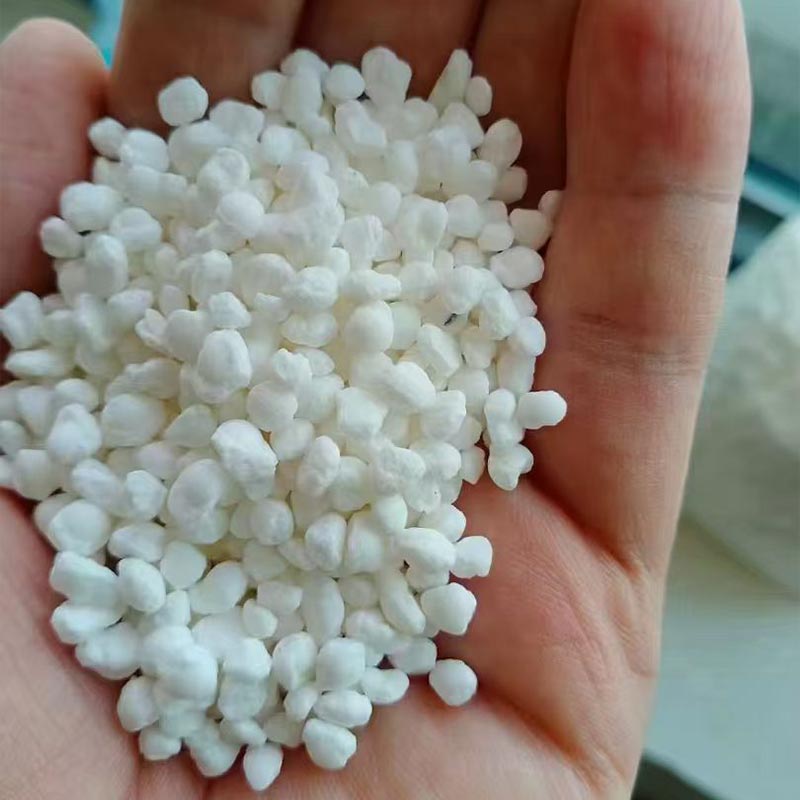
Agricultural ammonium chloride is a cost-effective multi-purpose fertilizer widely used for field crops and cash crops. It supplies nitrogen nutrients, improves soil quality and supports pest prevention. With years of fertilizer export experience, RONGDA continuously optimizes production processes and strictly controls nutrient content. This article summarizes the agricultural functions and application tips of Agricultural Ammonium Chloride to guide scientific fertilization.

Table of Contents
Can Ammonium Chloride Improve Soil?
What Are Its Advantages As Nitrogen Fertilizer?
How to Use It For Pest Control?
Can Ammonium Chloride Improve Soil?
More than a basic nitrogen fertilizer, ammonium chloride excels at regulating soil pH. Once applied to soil, it releases hydrogen ions via hydrolysis to neutralize alkalinity, ideal for calcareous saline-alkali soil in northern regions. Proper long-term application loosens compacted soil and improves air permeability.
Technical specialists from RONGDA remind farmers to control application rates. Excessive use leads to chloride accumulation and hinders the growth of chloride-sensitive crops such as potatoes and tobacco.
What Are Its Advantages As Nitrogen Fertilizer?
As a classic nitrogen fertilizer, Agricultural Ammonium Chloride contains roughly 25% nitrogen. Compared with urea, it features stable chemical properties, less nutrient volatilization and runoff. The nutrient leaching rate can decrease by around 30% for longer fertilizer efficiency.
It works perfectly for chlorine-loving crops like rice, promoting tillering and strengthening stalk lodging resistance. Avoid using it on chlorine-intolerant crops including tobacco and potatoes to prevent quality loss.
How to Use It For Pest Control?
Ammonium chloride can be used as auxiliary plant protection material. Spraying 10% ammonium chloride solution inhibits fungal spore germination and relieves wheat rust. Mixed with pesticides, it enhances liquid adhesion on crop leaves.
Soaking harvested seed potatoes in 5% ammonium chloride solution reduces rot during storage. Never spray at noon under high temperature to avoid leaf burn.
Conclusion
Overall, Agricultural Ammonium Chloride delivers outstanding performance in saline-alkali soil improvement and chlorine-loving crop planting. It offers affordable cost and stable nitrogen supply. Farmers should adjust dosage and application timing according to crop varieties and soil conditions to evade chloride-related risks. Scientific fertilization helps maximize output while protecting soil fertility.
FAQ
Q1: Which crops suit agricultural ammonium chloride?
A: Suitable for rice, sugarcane, wheat and other chlorine-tolerant crops. Not recommended for tobacco, potatoes, grapes and sugar beets.
Q2: Can ammonium chloride be used as foliar fertilizer?
A: Yes after dilution. Recommended concentration: 0.5%-2%. Avoid spraying under high temperature at noon.
Q3: Does long-term use damage soil?
A: Proper usage causes no harm. Avoid long-term single application. RONGDA advises mixing it with organic, phosphate and potash fertilizers.
Q4: Can it mix with alkaline fertilizers?
A: Not recommended. Chemical reaction will cause nitrogen loss. Keep 7-10 days interval between applications.
Q5: Better as base fertilizer or top dressing?
A: Both are acceptable. Mix into soil as base fertilizer; apply at tillering stage as top dressing with irrigation.
If you are searching for a reliable supplier of agricultural ammonium chloride with stable quality and rich global export experience, RONGDA is ready to support your fertilizer procurement demands. Feel free to contact us to learn more about our products and customized solutions.
Related News
- How Do Controlled-Release Curves Match Crop Demand?
- Can Magnesium Sulfate Be Used in Saline-Alkali Soil? What Are the Risks of Long-Term Application?
- How Do You Turn a Soil Test into a Blend Sheet?
- How Does Applying Magnesium Sulfate After Grape Harvest Help Bud Burst in the Next Year?
- Which Magnesium Sulfate Fits Your Ground?
- Can Foliar Spraying Magnesium Sulfate During Fruit Expansion Improve Fruit Sweetness?
Leave me a message