
What Are the Main Production Processes of Compound Fertilizer? A Complete Guide
The quality, particle condition, solubility, and production cost of compound fertilizer are largely determined by its granulation technology. Many farmers and distributors notice significant differences in caking resistance, purity, and dissolution speed among compound fertilizers from different manufacturers. These gaps mainly stem from different production and granulation processes. This article introduces the most common compound fertilizer manufacturing technologies on the market, focusing on tower granulation and drum granulation principles, advantages, and application characteristics, helping you identify high-quality compound fertilizer products easily.
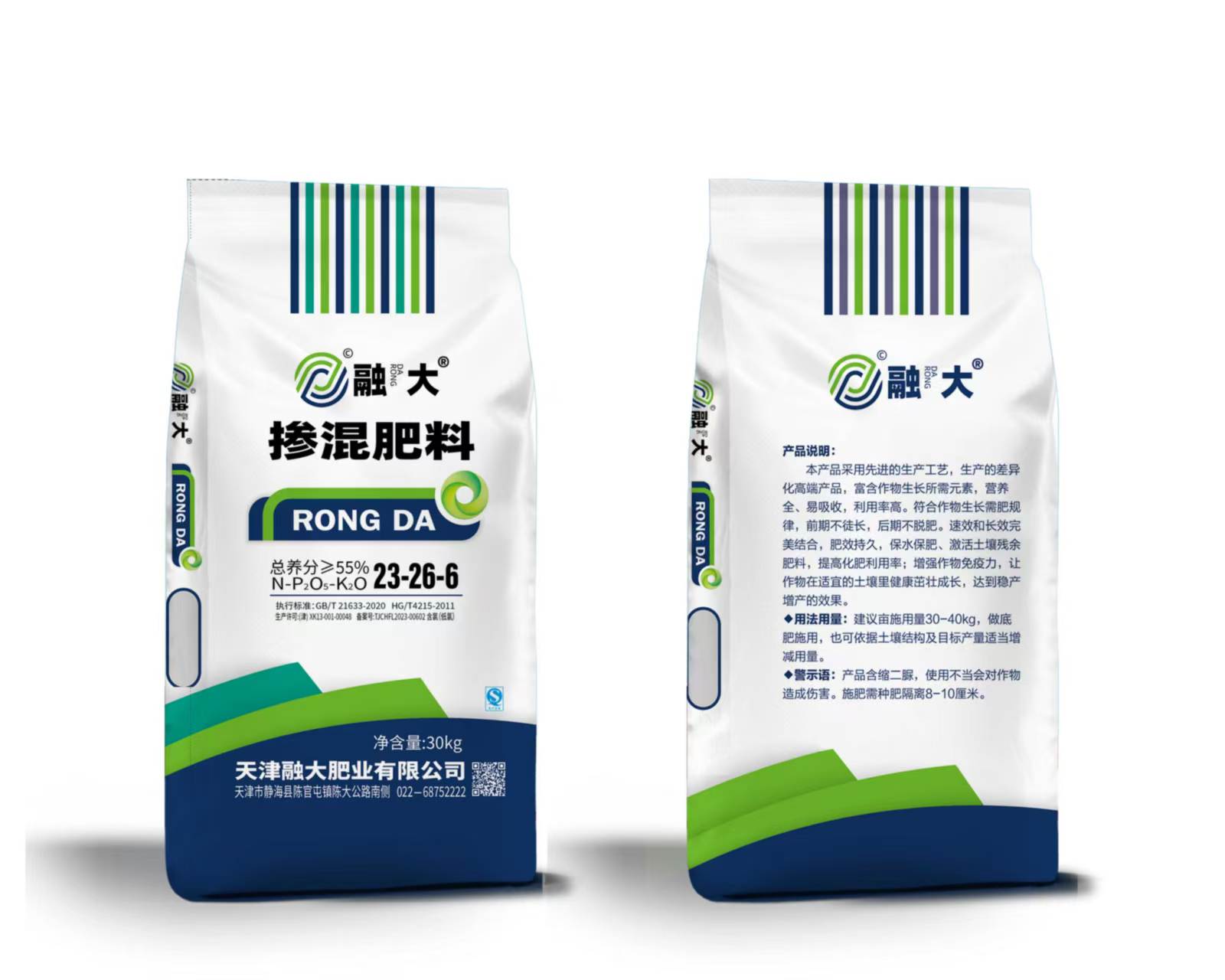
Table of Contents
• Overview of Mainstream Compound Fertilizer Granulation Processes
• Working Principles and Core Advantages of Tower Melt Granulation
• Characteristics and Mass Production Benefits of Drum Granulation
Overview of Mainstream Compound Fertilizer Granulation Processes
Modern compound fertilizer manufacturing technology is mature and standardized. The four most widely used granulation methods include disc granulation, drum granulation, slurry spraying granulation, and tower melt granulation. Each process differs greatly in equipment investment, production flow, product stability, and daily output. Among them, tower granulation and drum granulation are the two dominant technologies adopted by formal large-scale fertilizer factories due to their stable performance, large capacity, and reliable finished quality.
Working Principles and Core Advantages of Tower Melt Granulation
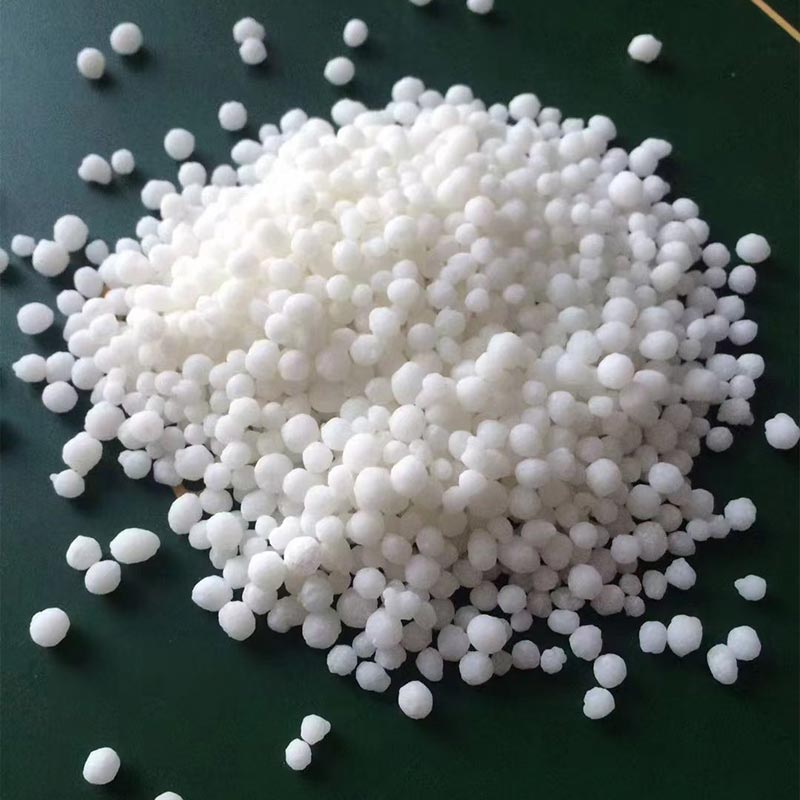
Tower melt granulation is a high-end manufacturing technology specially used for high-concentration nitro compound fertilizer. Relying on melt spinning and air cooling forming, it produces smooth, uniform, and low-moisture fertilizer particles with outstanding stability and quality performance.
In this process, nitrogen, urea, phosphorus, and potassium raw materials are heated and melted into a uniform liquid melt. The high-temperature melt is sprayed from the top of the high tower. During the falling process in the tower, the material cools down gradually and aggregates into solid fertilizer particles. This method is also known as melt granulation and is highly recognized in ammonium nitrate-based fertilizer production.
First, it simplifies production and improves operational safety. The tower process directly applies concentrated ammonium nitrate solution as raw material, eliminating traditional steps such as secondary slurry spraying and solid ammonium nitrate crushing. It greatly shortens the production flow, reduces mechanical wear, and minimizes potential safety risks during manufacturing.
Second, this technology saves massive energy consumption. The high-temperature melt retains natural heat energy with extremely low material moisture content. No additional drying procedure is required, which significantly cuts power and fuel costs, helping manufacturers control production expenses while maintaining stable product quality.
Third, tower granulation delivers superior finished product performance. It stably produces high-nitrogen and high-concentration compound fertilizers with smooth and round particles, high qualification rate, excellent anti-caking performance, and fast water solubility. This advanced manufacturing process ensures strong market competitiveness in both product quality and production cost.
Characteristics and Mass Production Benefits of Drum Granulation
Drum granulation, also called rotary drum granulation, is the most adaptable and widely used compound fertilizer production technology. It serves as the core production equipment for most medium and large fertilizer factories worldwide.
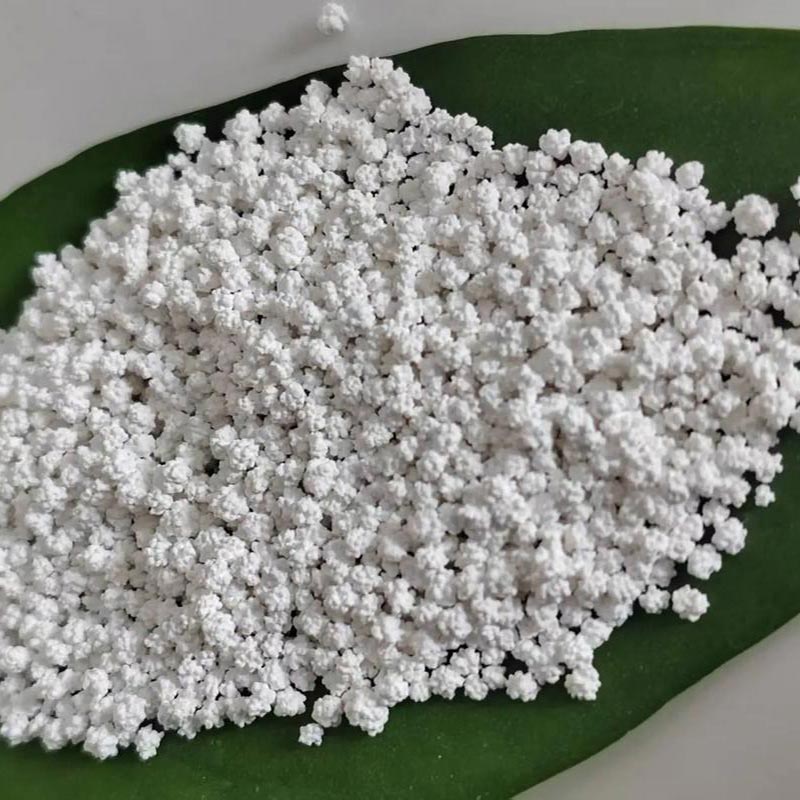
The biggest advantage of drum granulation is its flexible formula adaptability. It allows flexible formula adjustment and supports combined slurry spraying and ammoniation treatment. It can produce various compound fertilizer ratios for different soil types and crop demands with almost no formula restrictions.
In addition, drum granulation features low investment, fast construction cycle, and large production capacity. A standard production line only requires moderate equipment investment and can reach a daily output of 280 to 400 tons. Mature and optimized formulas can even exceed 500 tons per day. Due to its flexible operation, stable output, and high cost-performance, drum granulation has become the most popular process for mass compound fertilizer production.
Summary
Different compound fertilizer production processes have their unique strengths. Tower melt granulation focuses on high purity, high concentration, uniform particles, anti-caking performance, and stable nutrient release, ideal for premium-grade nitro compound fertilizer. Drum granulation offers strong flexibility, large output, low investment, and wide adaptability, perfectly suited for large-scale standardized production. Professional fertilizer manufacturers adopt mature and stable granulation technologies to provide balanced, easily soluble, and high-efficiency compound fertilizers for modern precision agriculture.
FAQ
Q1: What is the difference between tower granulation fertilizer and ordinary compound fertilizer?
Tower granulation compound fertilizer is formed through high-temperature melt cooling. It features higher purity, rounder particles, better water solubility, stronger anti-caking ability, and more stable nutrient release, delivering better absorption and crop performance than ordinary granulated fertilizers.
Q2: What are the main advantages of drum granulation technology?
Drum granulation supports flexible formula adjustment, requires lower factory investment, provides large daily output, and has a short construction cycle. It can adapt to various fertilizer formulas and is the most cost-effective solution for mass fertilizer production.
Q3: Which granulation process produces anti-caking compound fertilizer?
Tower melt granulation produces low-moisture and highly compacted particles, which show excellent anti-caking performance during long-term storage and transportation, maintaining stable physical quality for a longer time.
Q4: Do different production processes affect fertilizer efficiency?
Qualified compound fertilizers from formal processes meet national nutrient standards with stable basic fertilizer effects. Tower granulation products dissolve faster and absorb more efficiently, while drum granulation fertilizers offer flexible formulas and higher cost performance for large-scale common planting.
If you are looking for a reliable agricultural fertilizer supplier that delivers stable quality and professional support, Tianjin Rongda Fertilizer Industry Co., Ltd. is always ready to assist you. Contact us today to learn how our fertilizer solutions can boost your agricultural productivity.
Related News
- Will Continuous Application of Magnesium Sulfate on Acidic Soil Aggravate Soil Acidification?
- How Do Controlled-Release Curves Match Crop Demand?
- Can Magnesium Sulfate Be Used in Saline-Alkali Soil? What Are the Risks of Long-Term Application?
- How Do You Turn a Soil Test into a Blend Sheet?
- How Does Applying Magnesium Sulfate After Grape Harvest Help Bud Burst in the Next Year?
- Which Magnesium Sulfate Fits Your Ground?
Leave me a message