
How Often Should Calcium Magnesium Granules Be Applied to Improve Acidic Soil?
Persistent soil acidification triggers aluminum toxicity, calcium and magnesium deficiency and poor root development. With slow-release acid-neutralizing capacity and balanced secondary nutrient supply, calcium magnesium granules have become popular soil amendments for orchards, greenhouses and farmland. Many growers wonder the proper application frequency: overuse risks excessive soil alkalization, while insufficient application fails to adjust soil acidity. This article provides recommended application intervals, dosage and practical guidance based on soil conditions and crop varieties, helping farmers keep soil pH within the optimal range.
Table of Contents
1. Core Functions of Calcium Magnesium Granules for Acidic Soil
2. Application Frequency by Soil Acidification Level
3. Recommended Schedules for Different Crops
4. Application Tips & Soil Monitoring
1. Core Functions of Calcium Magnesium Granules for Acidic Soil
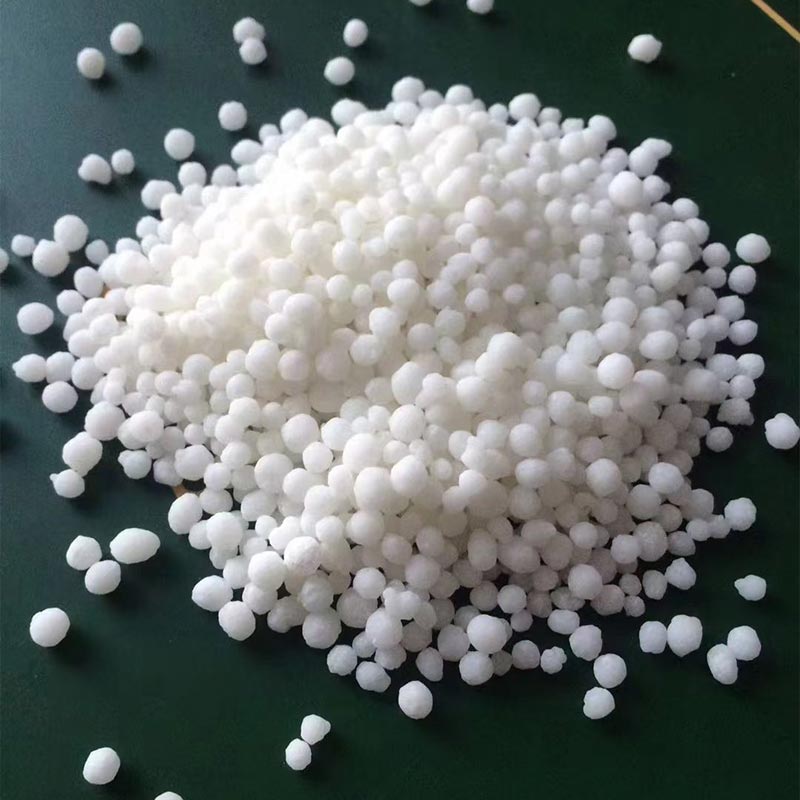
Calcium magnesium granules are slow-release soil conditioners, featuring slow action and long residual effect, unlike fast-acting amendments such as quicklime. The contained calcium carbonate and magnesium carbonate neutralize hydrogen ions and gradually lift soil pH. Meanwhile, they steadily release available calcium and magnesium, relieving widespread secondary nutrient shortages and reducing root damage caused by toxic aluminum and manganese ions.
Due to their slow nutrient release, they work through regular maintenance rather than one-time heavy dressing. Frequent heavy application may push soil pH too high, immobilizing phosphorus, iron and zinc and hindering nutrient uptake by crops.
2. Application Frequency by Soil Acidification Level
Soil acidification degree is the primary factor to decide application intervals. Annual soil testing is strongly recommended.
· Mild acidification (pH 5.5–6.0): Once every 2 to 3 years. Slightly acidic soil requires only occasional maintenance. One basal dressing sustains soil buffering performance for years.
· Moderate acidification (pH 5.0–5.5): Once per year during fallow periods. This is the most common condition for orchards and vegetable bases. Annual application slowly brings pH back to the suitable scope.
· Severe acidification (pH < 5.0): Split two applications in the first year, then once a year. Avoid a single heavy dose. Apply a base amount first and top up after half a year. Switch to annual maintenance once pH rises above 5.0.
3. Recommended Schedules for Different Crops
Crops vary greatly in preferred pH and demand for calcium and magnesium.
· Fruit trees (citrus, apple, kiwi): Once a year after harvest. Apply with base fertilizer post-harvest, leaving enough reaction time for the coming budding and fruit setting. Increase dosage moderately every two years for heavily acidified orchards.
· Greenhouse vegetables (tomato, cucumber, strawberry): Once a year between crop rotations. Intensive planting accelerates acidification. Use the gap between batches instead of applying during vigorous growing stages to prevent local alkalization and root burn.
· Field grain crops (corn, wheat): Once every 2 to 3 years. Grain crops have relatively low demand for calcium and magnesium and slower soil acidification. Apply together with land preparation.
4. Application Tips & Soil Monitoring
The best timing is land preparation, fallow season or base fertilization. Mix granules evenly into topsoil by plowing instead of leaving them on the surface.
Suggested dosage: 40–60 kg per mu for mild acidification; 60–100 kg per mu for moderate acidification; total 100–150 kg per mu split into two portions in the first year for severe acidification.
Regular soil testing is critical. Submit soil samples after harvest each year and adjust the schedule and dosage according to pH changes, instead of rigid fixed-time fertilization.
5. Common Mistakes to Avoid
First, avoid continuous high-dose annual application. Even slow-release calcium magnesium granules may cause nutrient chlorosis if overused and push soil pH too high. Second, do not mix with fast-acting phosphate fertilizers or certain water-soluble fertilizers, as precipitation will reduce fertilizer efficiency. Third, calcium magnesium granules are long-term soil conditioners instead of emergency foliar or root fertilizers. They cannot rapidly correct acute magnesium deficiency.
Conclusion
Soil acidification improvement is a long-term project without universal fixed intervals. Extend the cycle for mildly acidic soil, apply annually for moderately acidic soil, and carry out remediation before regular maintenance for severely acidic soil. Combined with periodic soil testing, calcium magnesium granules can neutralize acidity and supply nutrients safely without over-alkalizing the soil, building a favorable rooting environment.
Related News
- Which Starter Fertilizer Is Safe for Seedlings and Young Transplants?
- Can Calcium Magnesium Granules Be Foliar Sprayed for Magnesium Deficiency Causing Yellow Old Leaves in Fruit Trees?
- When Does Foliar Feeding Beat Soil Application for Crop Nutrition?
- When to Apply Calcium Magnesium Granules for Fast Relief from Blossom-End Rot in Tomatoes
- Why Does Soil pH Decide Which Fertilizer Works Best on Your Field?
- Why Are Calcium Magnesium Granules More Reliable for Fruit Cracking Prevention Than Single Calcium Fertilizers for Calcium Supplementation?
Leave me a message
New Products

News Recommendations