
How Do Controlled-Release Fertilizers Stretch Nitrogen Over Weeks?
A single dose of nitrogen either floods the soil faster than the crop can drink, or runs dry before the season ends. Controlled-release fertilizers solve the timing problem at the factory: coatings turn a bag of nitrogen into a metered supply that follows the crop's uptake curve. This article explains the mechanism, the economics, and where controlled release pays for itself.
In this article
- How the Coating Works
- Why Matched Release Beats One Big Dose
- Where Controlled Release Pays Back
- Judging the Economics
- Frequently Asked Questions
- Conclusion
How the Coating Works
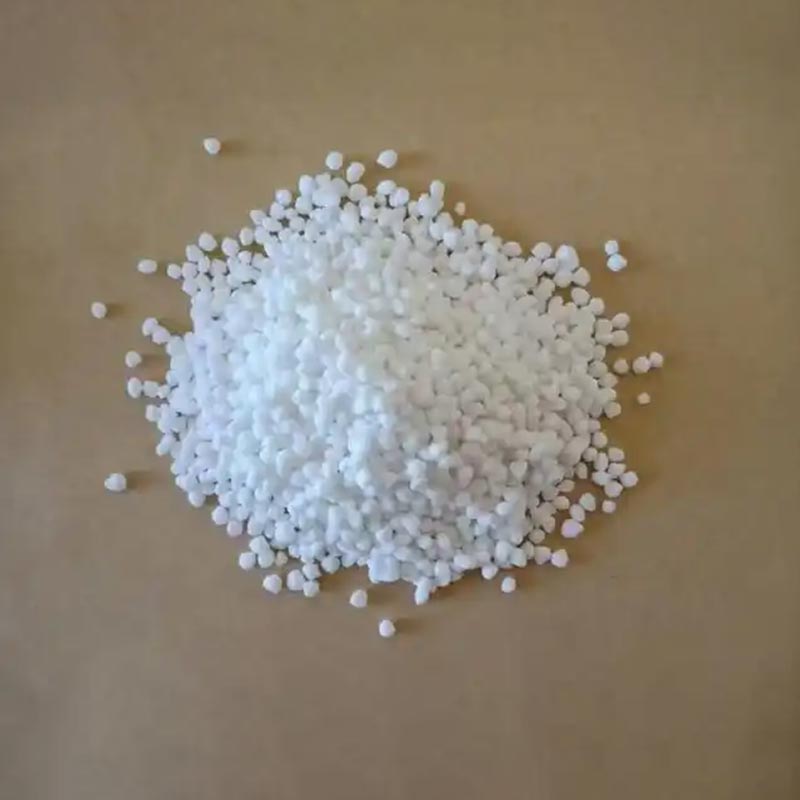
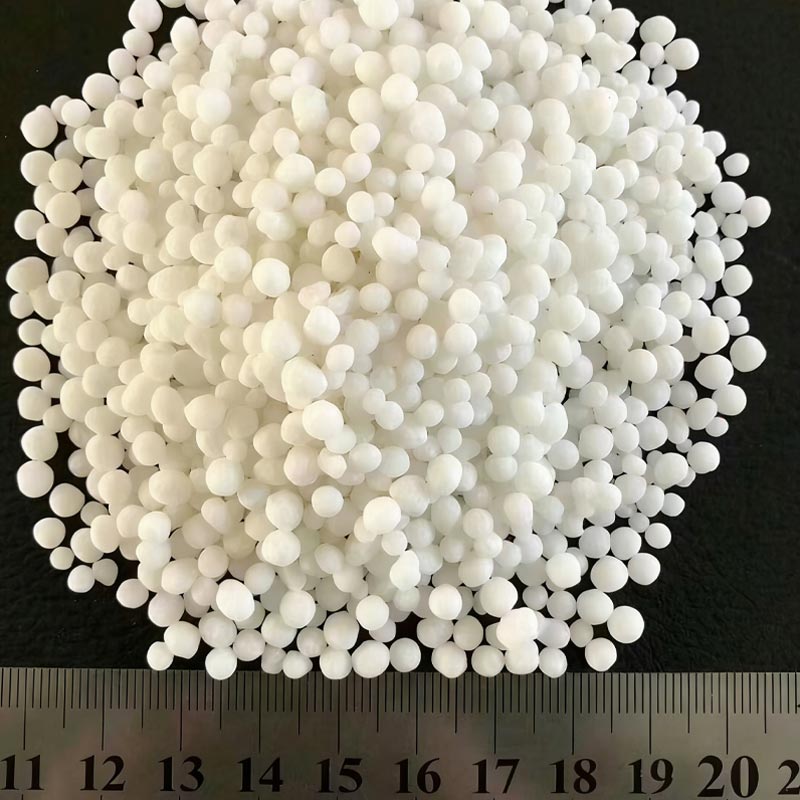
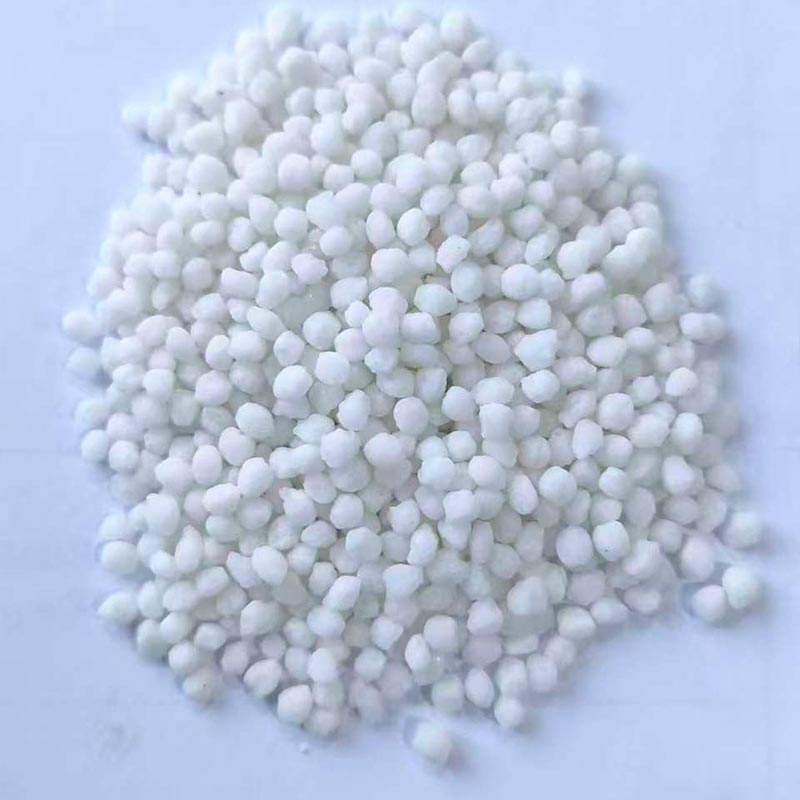
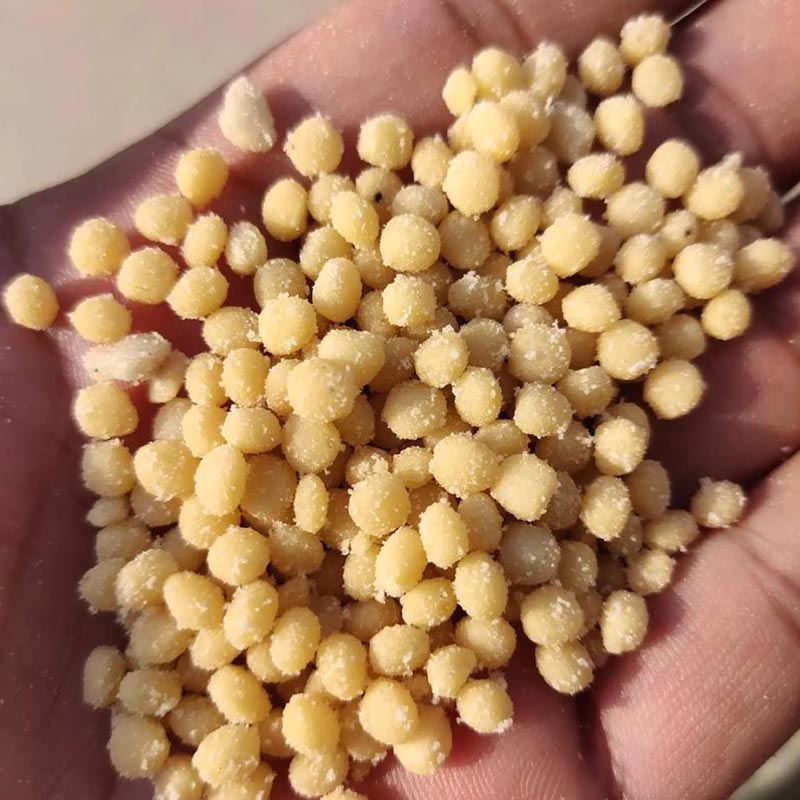
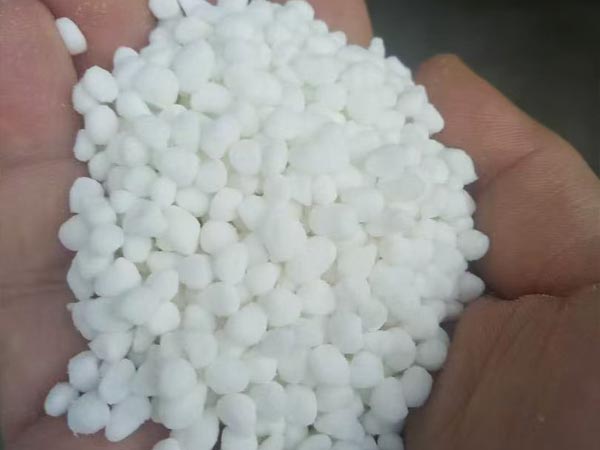
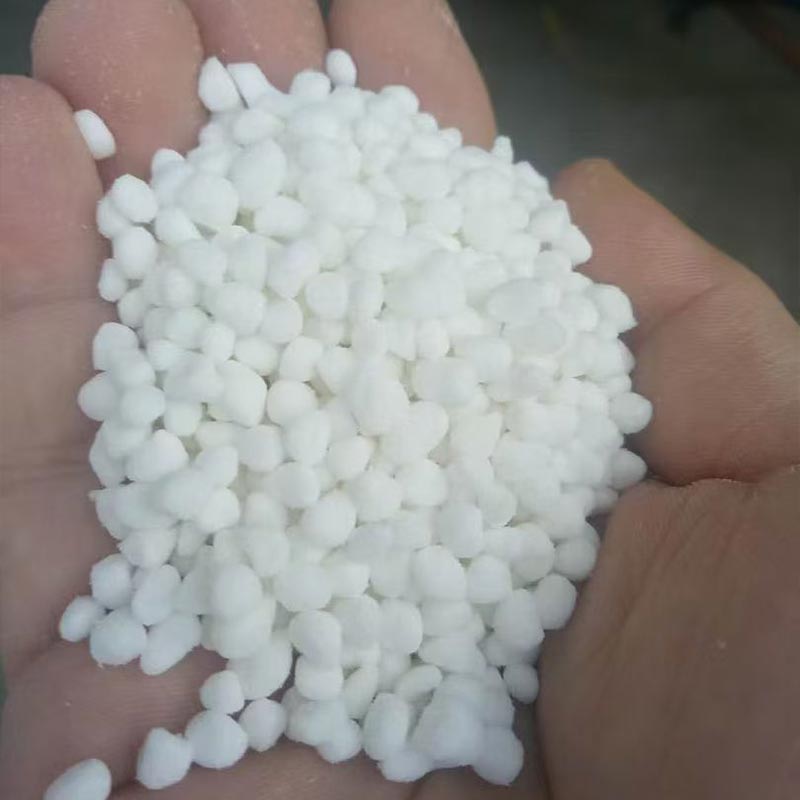
Each granule is wrapped in a shell - polymer or sulfur-based, depending on the product. Soil moisture moves through the shell, dissolves the nutrient core, and the solution diffuses back out at a rate set by coating thickness and soil temperature. The release curve is therefore engineered, not accidental: a factory can build a product that feeds for 40, 60 or 90 days.
Temperature is the main field variable - release speeds up in warm soil and slows in cold, which conveniently matches most crops' own temperature-driven growth rhythm.
Why Matched Release Beats One Big Dose
- Losses happen when supply outruns uptake: nitrate leaches, ammonia volatilizes, denitrification fires in wet soil. A matched release curve keeps supply just below the crop's demand line.
- Fewer passes: one base application can replace two or three top dressings - labor and machinery time are real money.
- Stability: crops get steady nutrition through weather swings instead of feast-and-famine cycles.
The distinction that confuses buyers is controlled versus slow release - one is an engineered coating with a predictable curve, the other simply decomposes at nature's pace.
Where Controlled Release Pays Back
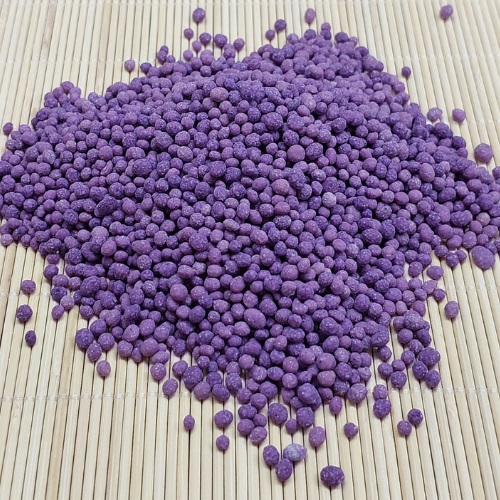
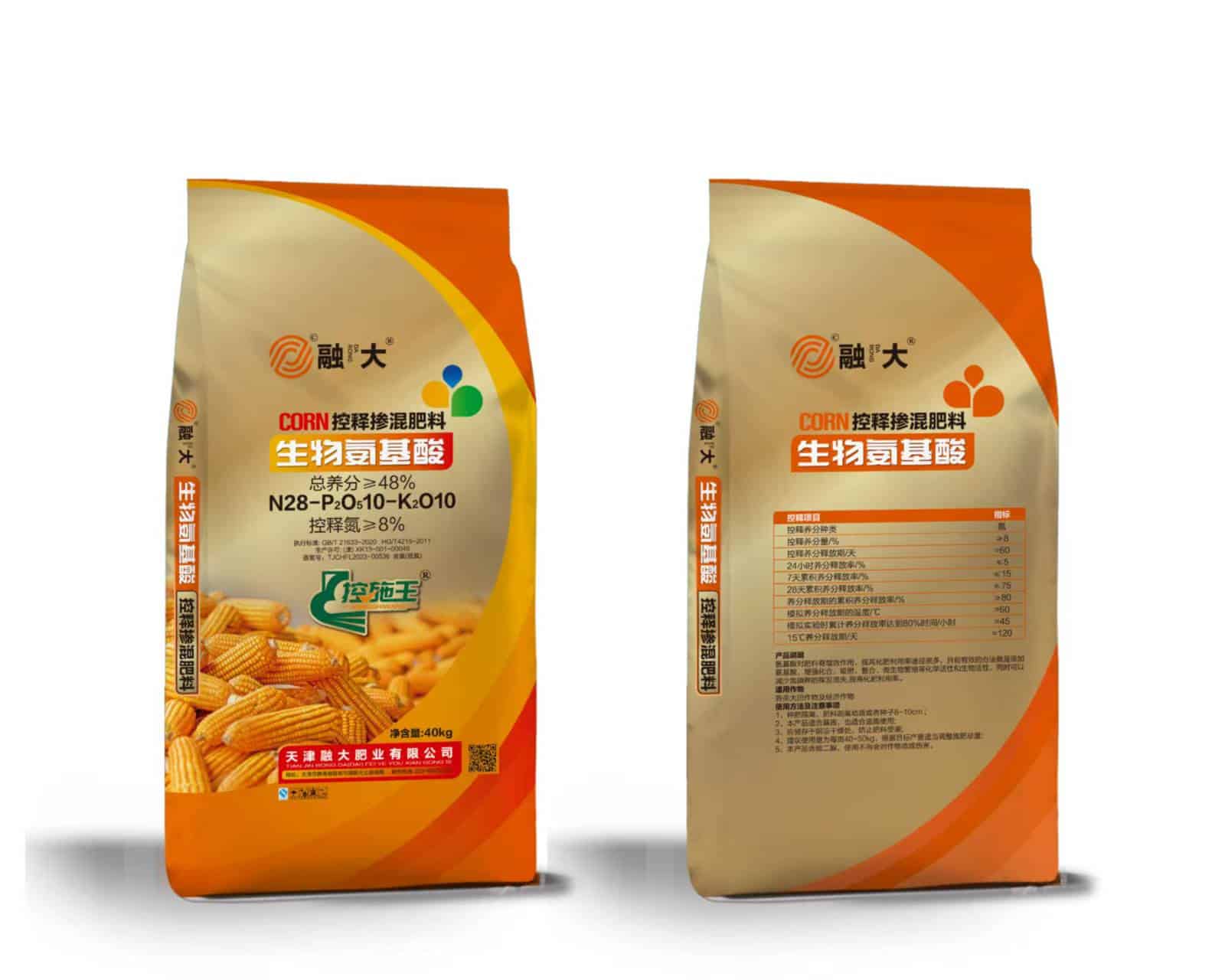
Blending is where the format becomes flexible: controlled-release granules can be mixed into a controlled-release bulk blending fertilizer program alongside conventional materials, so only the fraction that needs longevity is coated.
Situation
Why controlled release fits
Long-season, high-N crops (maize, sugar cane, fruit trees)
Uptake window spans months - coating bridges it
Labor-scarce operations
One-pass base application replaces repeated top dressing
Sandy or leaching-prone soils
Metered supply cuts nitrate losses between rains
Controlled-release BB programs
CR granules blended into the base recipe for one-pass precision
Judging the Economics
- Compare cost per season, not per bag: fewer passes, less lost nitrogen and steadier yield shift the math.
- Match release length to the crop calendar - a 90-day coating on a 60-day crop is waste.
- Insist on release-curve data from the supplier, not just a total-N figure.
Frequently Asked Questions
Q1: Is the price premium worth it?
On long-season crops, often yes - saved top-dressing passes and reduced nitrogen loss frequently cover the premium. On short-cycle crops with cheap labor, conventional sources may still win.
Q2: Does cold weather stop the release?
It slows it, which is by design - the coating follows soil temperature much like the crop follows it. Emergence nutrition still comes from the uncoated fraction of the blend.
Q3: Do the coatings leave residue in the soil?
Shells persist for a period after emptying, then fragment and degrade slowly. Modern thin-coat products minimize the residue per unit of nutrient delivered.
Q4: What packing is standard?
25/50 kg woven bags or 500/1000 kg jumbo bags, matching the rest of the granular program.
Conclusion
Controlled-release fertilizers turn nitrogen timing from a field-management gamble into a factory setting. Match the release curve to the crop calendar, blend the coated fraction where it earns its keep, and the same bag of nitrogen feeds the crop longer, wastes less and saves passes.
If you are looking for a reliable fertilizer supplier that offers consistent quality and professional support, Tianjin Rongda Fertilizer Co., Ltd. is ready to help. Contact us today to learn how our fertilizer solutions can improve your agricultural productivity.
Related News
- Which Magnesium Sulfate Fits Your Ground?
- Can Foliar Spraying Magnesium Sulfate During Fruit Expansion Improve Fruit Sweetness?
- How Do You Judge a Blended Fertilizer Before You Buy It?
- Magnesium Deficiency & Premature Aging in Greenhouse Vegetables: Soil Drench vs Foliar Spray of Magnesium Sulfate
- Which Water-Soluble NPK Formula Fits Each Growth Stage?
- What is the difference between Magnesium Sulfate and Calcium Magnesium Granules? When to Use Them Together?
Leave me a message