
How to Supplement Magnesium Scientifically to Secure Yield as Magnesium Leaches Easily in Sandy Soil
Abstract: Sandy soil suffers from severe magnesium leaching due to loose texture and low fertilizer retention, easily causing crop magnesium deficiency, poor growth and yield loss. This article analyzes the main causes of magnesium loss in sandy soil. With practical Rongda planting experience, it shares scientific solutions including Magnesium sulfate selection, soil improvement and rational fertigation to help growers stabilize crop growth and yield.

Most growers adopt a conventional fertilization method for sandy soil: applying a large dose of magnesium fertilizer at one time to save labor costs. However, this fertilization logic is completely unsuitable for the characteristics of sandy land. In the early stage after fertilization, the soil magnesium content rises temporarily, which may bring a slight improvement to crop growth. Nevertheless, due to the low cation exchange capacity and insufficient organic matter of sandy soil, magnesium ions cannot be firmly adsorbed in the topsoil root zone. After one or two times of irrigation or heavy rainfall, a large amount of magnesium nutrients will leach downward to the deep soil layer beyond the effective root absorption range. Crops will gradually show typical magnesium deficiency symptoms, including interveinal yellowing of old leaves, decreased photosynthetic efficiency, stunted new shoot growth, poor fruit expansion and deteriorated commodity quality.
The rapid loss of magnesium in sandy soil stems from two key factors: inherent soil defects and unscientific fertilization management. In terms of soil properties, loose sandy soil cannot store water and nutrients stably, and the lack of organic colloids leads to irreversible leaching of cation nutrients such as magnesium and potassium. In terms of fertilization mistakes, one-time excessive fertilization and flood irrigation greatly accelerate nutrient loss. In addition, long-term excessive application of potassium and calcium fertilizers causes severe cation antagonism. Even if a certain amount of magnesium remains in the soil, crop roots cannot normally absorb and utilize magnesium elements, resulting in false magnesium deficiency in field performance.
To solve the magnesium deficiency problem fundamentally, growers must change the fertilization concept of “heavy single application” and adopt a comprehensive management mode of soil improvement combined with precise fertigation. First, improve the soil structure and enhance nutrient retention capacity. Continuously applying organic fertilizers and humus can effectively increase soil organic matter content, supplement soil colloids, and build a stable nutrient storage layer, which fundamentally reduces the leaching loss of Magnesium sulfate nutrients. For acidic sandy soil, properly matching slow-release magnesium sources can adjust soil pH while supplementing long-acting magnesium nutrition to optimize the growing soil environment for crops.
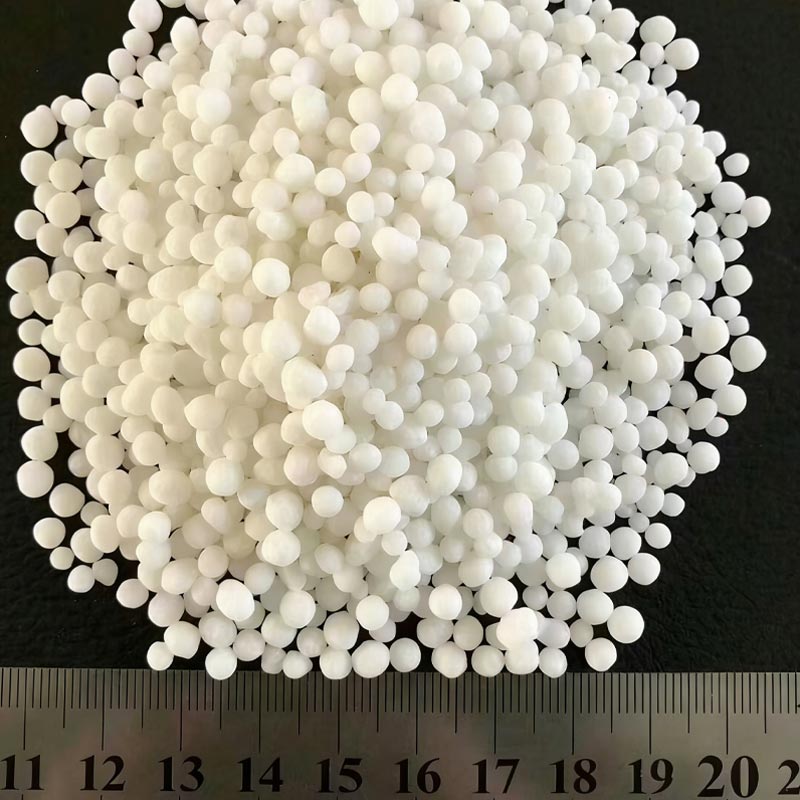
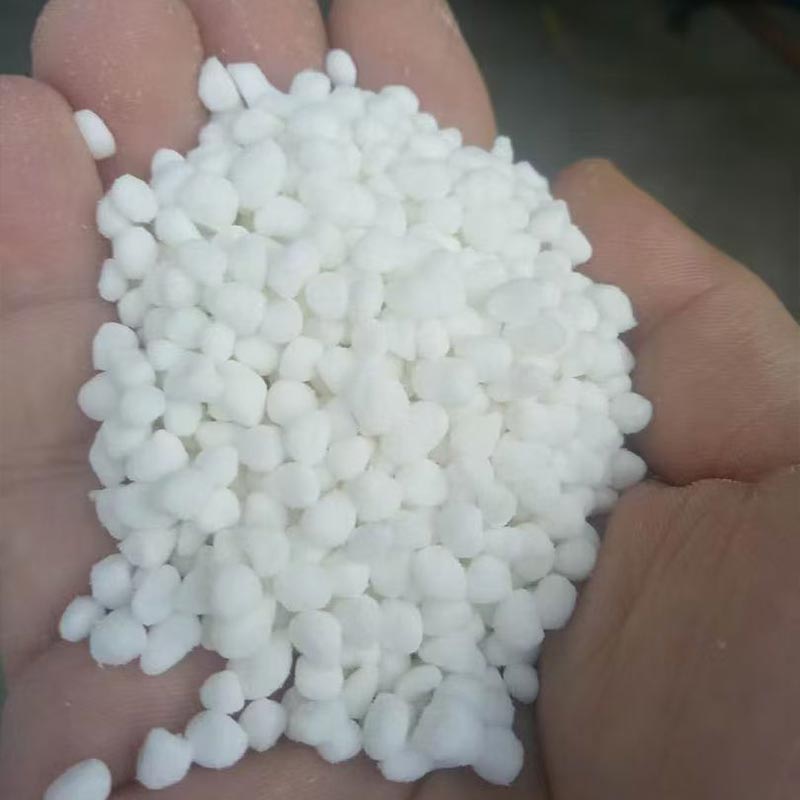
Second, select high-quality special-grade Magnesium sulfate and optimize the fertilization method. For sandy soil fertigation scenarios, growers should prioritize drip irrigation-specific Magnesium sulfate with high purity and extremely low water-insoluble substances. This kind of product dissolves completely without residues, avoiding drip pipeline and emitter clogging. Adhere to the principle of “small dosage and frequent application”, divide the total magnesium demand into multiple times of topdressing, and maintain a stable magnesium concentration in the root active layer, so as to provide continuous and effective magnesium and sulfur nutrition for crops.
Third, balance nutrient ratios and avoid ion antagonism. Nutrient competition is more intense in barren sandy soil. It is forbidden to mix Magnesium sulfate with high-concentration calcium and potassium fertilizers in the same fertilizer tank. Staggered fertilization and separate dosing can effectively reduce cation competition and greatly improve magnesium absorption and utilization efficiency. Regular soil testing and leaf nutrient diagnosis are essential to formulate targeted fertilization plans and avoid blind fertilization waste.
Fourth, combine emergency foliar supplementation with long-term root fertilization. When crops have obvious magnesium deficiency yellowing, foliar magnesium fertilizer can quickly relieve deficiency symptoms and restore photosynthesis. However, foliar fertilization is only an emergency measure. Long-term stable yield improvement still depends on scientific root application of high-quality Magnesium sulfate to continuously supplement soil nutrients.
Conclusion:
The key to magnesium supplementation in sandy soil is not excessive application, but scientific retention and efficient utilization. By optimizing soil structure, selecting professional Magnesium sulfate products, and standardizing fertigation rhythm and nutrient matching, growers can completely solve the problem of magnesium leaching and deficiency in sandy soil, maintain stable crop growth, and effectively improve crop yield and economic benefits.
Related News
- Will Continuous Application of Magnesium Sulfate on Acidic Soil Aggravate Soil Acidification?
- How Do Controlled-Release Curves Match Crop Demand?
- Can Magnesium Sulfate Be Used in Saline-Alkali Soil? What Are the Risks of Long-Term Application?
- How Do You Turn a Soil Test into a Blend Sheet?
- How Does Applying Magnesium Sulfate After Grape Harvest Help Bud Burst in the Next Year?
- Which Magnesium Sulfate Fits Your Ground?
Leave me a message