
How Can Calcium Ammonium Nitrate Improve Crop Growth & Yield?
In modern agricultural planting, low crop yield, poor fruit quality and frequent physiological diseases are mostly caused by nitrogen and calcium deficiency in soil as well as deteriorated soil texture. As a new type of high-efficiency compound fertilizer, calcium ammonium nitrate contains both fast-acting nitrogen and active calcium nutrients. It features fast absorption speed, wide crop adaptability and mild influence on soil. Currently, it is an essential fertilizer for growers to improve soil conditions, boost output and prevent element-deficiency diseases. This article will elaborate on the characteristics, main applications, scientific application methods, dosage standards and usage taboos of calcium ammonium nitrate.

Table of Contents
1. What Is Calcium Ammonium Nitrate Fertilizer
2. Core Agricultural Applications of Calcium Ammonium Nitrate
3. Scientific Application Methods and Dosage Standards of Calcium Ammonium Nitrate
4. Precautions for Using Calcium Ammonium Nitrate
What Is Calcium Ammonium Nitrate Fertilizer
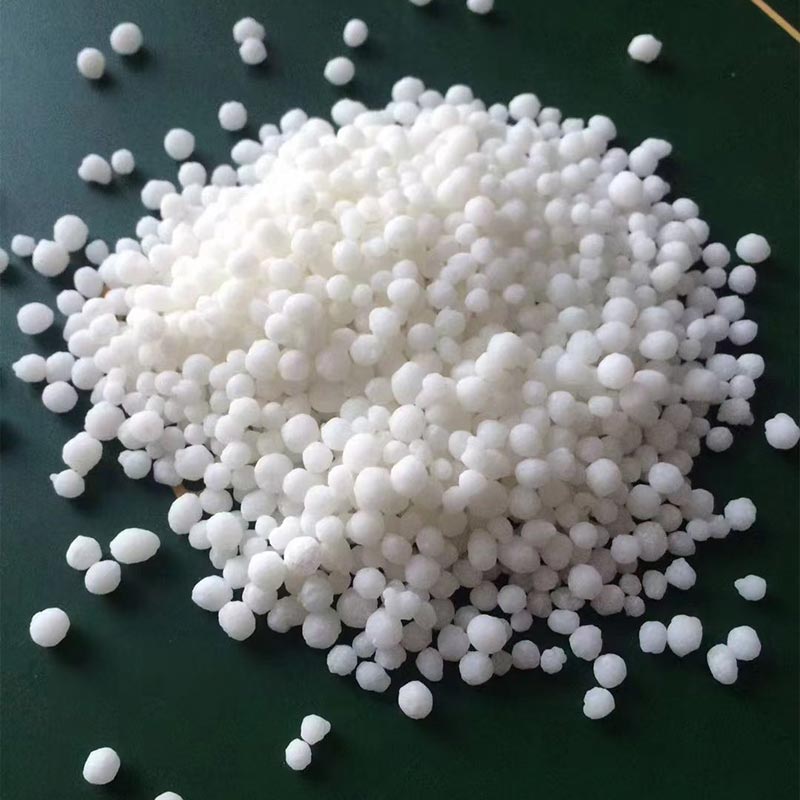
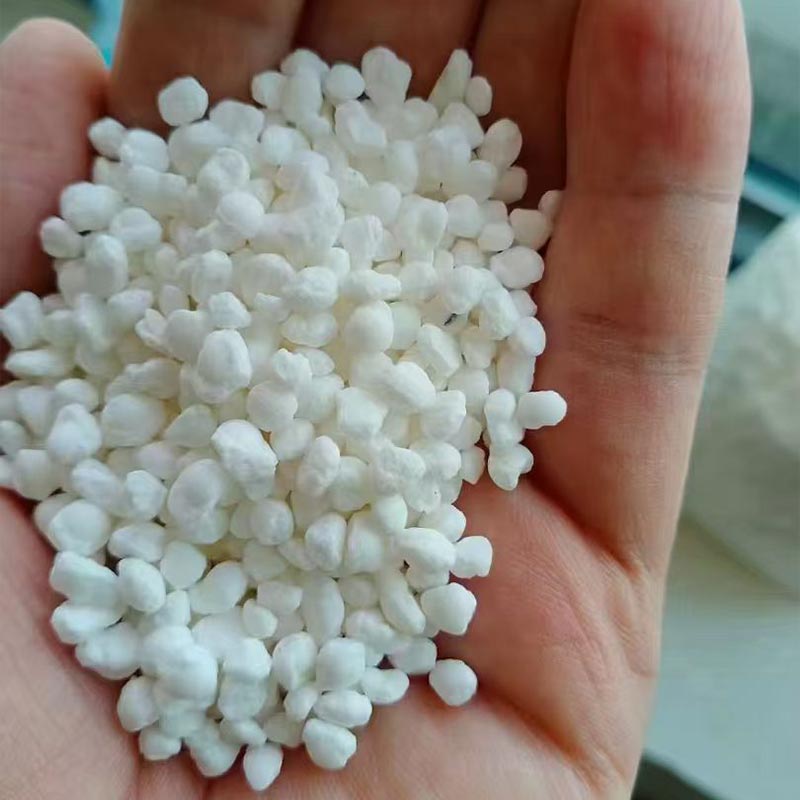
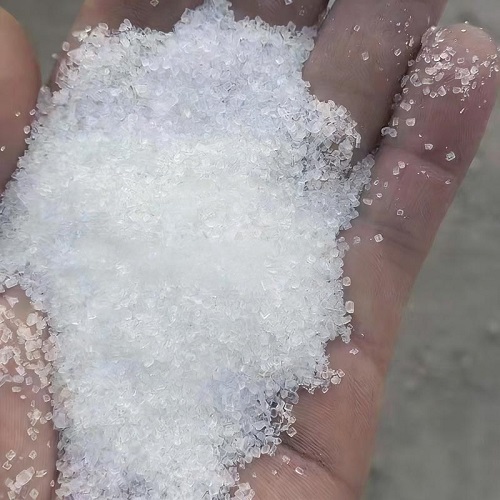
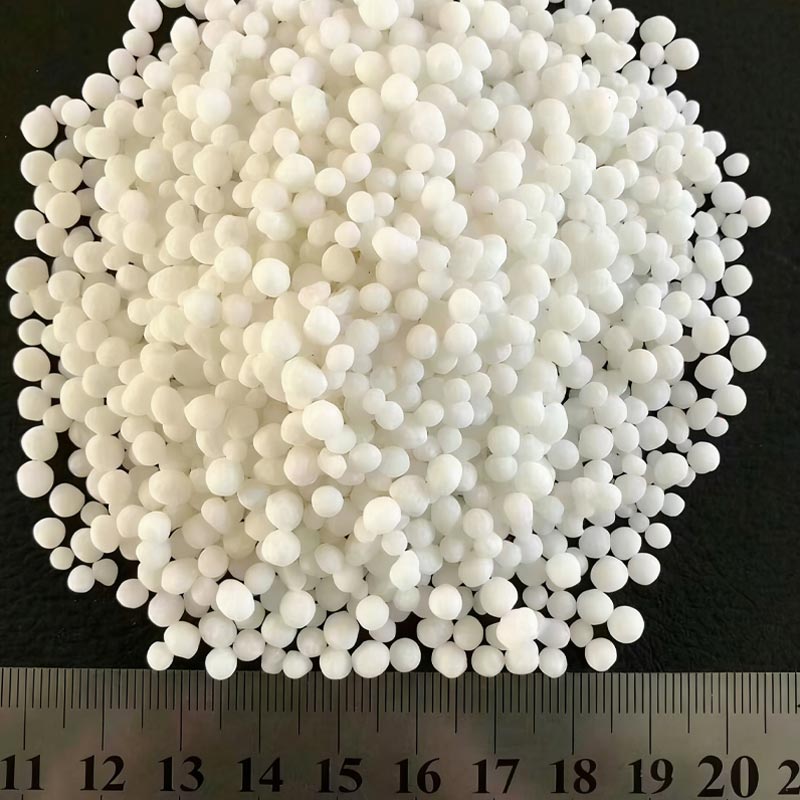
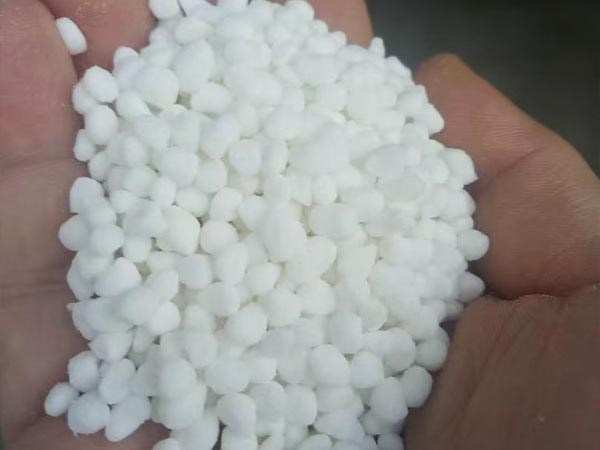
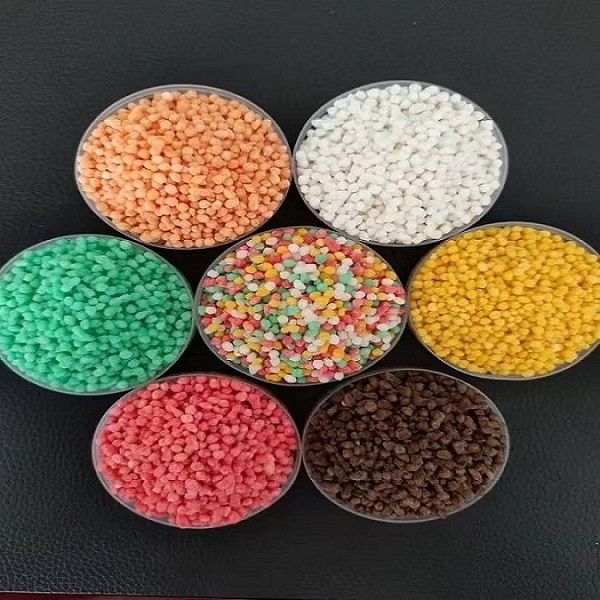
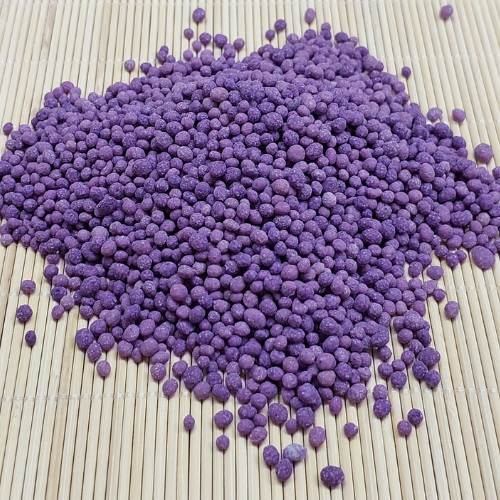
Calcium ammonium nitrate is a new high-efficiency compound fertilizer mainly composed of nitrogen and available calcium, with the chemical formula 5Ca(NO₃)₂·NH₄NO₃·10H₂O. The mainstream products on the market have a stable nitrogen content of 15%~27% and calcium content of 12%~19%. This fertilizer contains two nitrogen sources: nitrate nitrogen and ammonium nitrogen, which can be quickly absorbed by crops without soil transformation. Combined with high-activity water-soluble calcium, it can meet the nutritional needs of crops during growth and effectively improve soil conditions, making it a versatile high-quality agricultural fertilizer.
Core Agricultural Applications of Calcium Ammonium Nitrate
Rapidly Supplement Nitrogen and Calcium to Prevent Crop Deficiency Diseases
Calcium ammonium nitrate can supply nitrogen and calcium nutrients to crops simultaneously with dual fertilizer effects. The nitrate nitrogen and ammonium nitrogen take effect rapidly, which is very suitable for topdressing during key growth stages of crops. It can quickly improve problems such as weak growth, yellow leaves and stunted growth caused by nitrogen deficiency. Calcium is a key element for cell wall formation, plant physiological metabolism and signal transmission. Continuous supplementation can effectively prevent physiological diseases triggered by calcium deficiency, including leaf tip scorch, fruit blossom-end rot, fruit cracking and rotten fruits, greatly raising the qualified rate of fruits.
Improve Acidic Soil and Alleviate Soil Compaction
This fertilizer is nearly neutral with weak physiological acidity, and will not drastically change soil pH after application, which is friendly to soil environment. Long-term rational application can effectively reduce the toxicity of active aluminum in soil, decrease the fixation and failure of phosphorus elements, loosen soil aggregate structure, relieve soil compaction and poor soil quality caused by continuous planting, and continuously optimize farmland planting conditions
Promote Robust Growth and Improve Crop Yield & Quality
Calcium ammonium nitrate is applicable to most food crops, cash crops, vegetables and flowers. Field crops such as corn and wheat grow vigorously with enhanced stress resistance after application. For cash crops including tomatoes, melons and apples, it can boost the growth of roots, stems and leaves, extend flowering period, increase fruit color, firmness and sugar content, improve fruit taste and appearance, and strengthen crops’ resistance to diseases, cold and lodging to achieve stable and high yield.
Fully Water-soluble for Integrated Water & Fertilizer Application and Foliar Spraying
Calcium ammonium nitrate is 100% water-soluble with complete dissolution, no residues and no pipeline blockage, perfectly matching modern agricultural fertilization modes including flushing, drip irrigation, sprinkler irrigation and foliar spraying. The recommended concentration for conventional foliar spraying is 0.2%~0.5%. It can quickly correct partial calcium deficiency and poor growth of crops to restore healthy growth in a short time.
Scientific Application Methods and Dosage Standards of Calcium Ammonium Nitrate
Optimal Application Period
Calcium ammonium nitrate can be used as base fertilizer or top dressing. It is preferred to apply during peak nutrient demand periods of crops, including reviving stage, jointing stage, flowering stage, fruit setting stage and fruit expansion stage, to supplement nutrients accurately and maximize fertilizer efficiency.
Reference Application Dosage
The fertilization dosage can be adjusted flexibly according to crop varieties, growth vigor and soil fertility. The overall dosage per mu ranges from 15 to 40 kg: 15\25 kg per mu for field food crops; leafy vegetables have higher fertilizer demand with a recommended dosage of 30\40 kg per mu.
Standard Application Methods
In the field, furrow application or broadcast application followed by soil covering and watering can be adopted, or flushing and drip irrigation combined with irrigation for simple and convenient operation. Avoid fertilizing before rainfall to prevent nutrient leaching and waste of fertilizer efficiency.
Precautions for Using Calcium Ammonium Nitrate
- Do not mix with alkaline fertilizers such as plant ash or ammonia-containing fertilizers, which will cause nitrogen volatilization and loss and reduce fertilizer efficiency.
- Strictly control the fertilization dosage and avoid excessive application, otherwise it will easily lead to slight soil acidification, seedling burning and nutrient imbalance, hindering normal crop growth.
- The fertilizer shall be sealed, dry, moisture-proof and away from light during storage and transportation, and kept far from fire sources and reducing substances to prevent deterioration and failure.
Summary
Calcium ammonium nitrate is a multi-functional compound fertilizer integrating nitrogen supplementation, calcium supplementation, soil improvement and quality improvement. It features fast nutrient absorption, wide crop adaptability and flexible application methods. It can effectively solve problems such as poor crop growth due to element deficiency, low fruit quality and soil compaction & acidification, and is widely used in field planting, vegetable greenhouses, fruit tree cultivation and flower breeding. Applying with scientific dosage and standardized methods can give full play to fertilizer value and help crops achieve stable and high yield.
FAQ
Q1: Can calcium ammonium nitrate be sprayed together with potassium dihydrogen phosphate?
A: They can be mixed and used without antagonistic reactions. Combined spraying can supplement multiple nutrients including nitrogen, calcium, phosphorus and potassium. Just strictly control the spraying concentration to avoid leaf scorch caused by excessive concentration.
Q2: Can calcium ammonium nitrate be applied to saline-alkali land for a long time?
A: Long-term single use is not recommended. Calcium ammonium nitrate is weakly physiologically acidic. It can be used alternately with organic fertilizer on saline-alkali land to balance soil pH and achieve better soil improvement effect.
Q3: Can fruit trees use calcium ammonium nitrate throughout the whole growth period?
A: The flowering and fruit expansion stages are the golden application periods. A small amount can be supplemented at seedling stage, while the application amount should be reduced in the late fruit color transition stage to avoid excessive nitrogen affecting fruit coloring and sugar accumulation.
Q4: Can slightly caked calcium ammonium nitrate still be used?
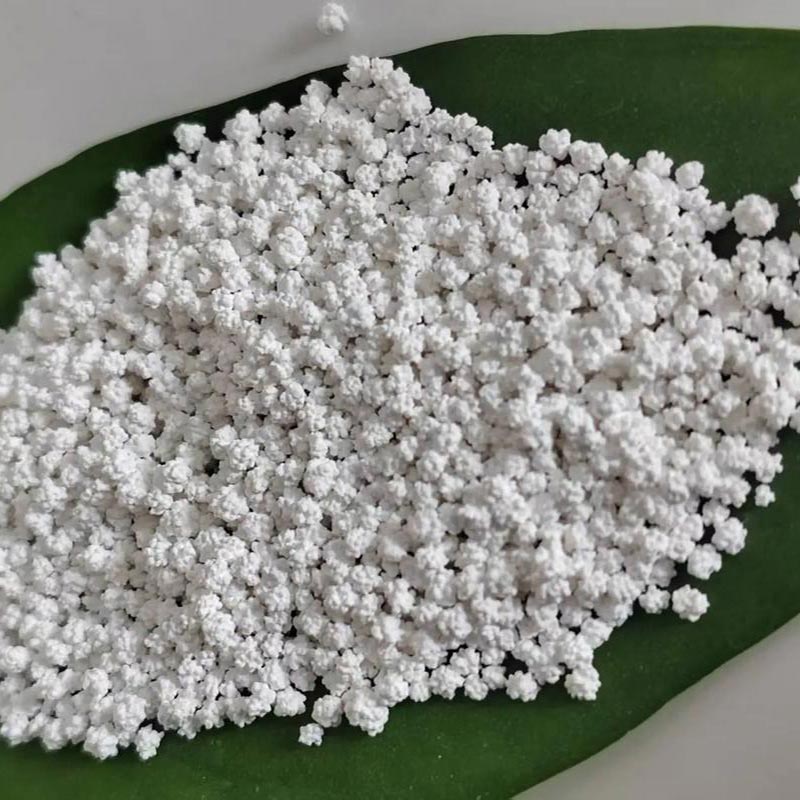
A: Slight caking is a normal physical phenomenon. It can be crushed and dissolved in water for normal flushing and drip irrigation without affecting fertilizer efficiency. Do not use it if it is severely damp, deteriorated or liquefied.
If you are looking for a reliable supplier of calcium ammonium nitrate fertilizer with stable quality and professional support, Tianjin Rongda Fertilizer Co., Ltd. is ready to provide you with assistance. Contact us today to learn how our fertilizer solutions can boost your agricultural productivity.
Related News
- How Do Controlled-Release Curves Match Crop Demand?
- Can Magnesium Sulfate Be Used in Saline-Alkali Soil? What Are the Risks of Long-Term Application?
- How Do You Turn a Soil Test into a Blend Sheet?
- How Does Applying Magnesium Sulfate After Grape Harvest Help Bud Burst in the Next Year?
- Which Magnesium Sulfate Fits Your Ground?
- Can Foliar Spraying Magnesium Sulfate During Fruit Expansion Improve Fruit Sweetness?
Leave me a message