
Is Frequent Drip Irrigation System Clogging Caused by Improper Magnesium Sulfate Selection?
Abstract: Frequent clogging in drip irrigation systems is often attributed to water quality and pipeline maintenance, but improper Magnesium sulfate selection is an easily overlooked cause. This article explains how excessive impurities and fertilizer incompatibility trigger clogging, shares key selection criteria for drip-irrigation-grade Magnesium sulfate and practical fertigation tips, helping growers reduce emitter blockage and maintain stable fertigation performance.
Drip irrigation under water-fertilizer integration has been widely adopted, yet many growers encounter frequent filter fouling, uneven emitter discharge, and even completely blocked drippers. Most people first suspect water quality or poor pipeline maintenance, overlooking that improper Magnesium sulfate selection is also a major cause of drip irrigation clogging.
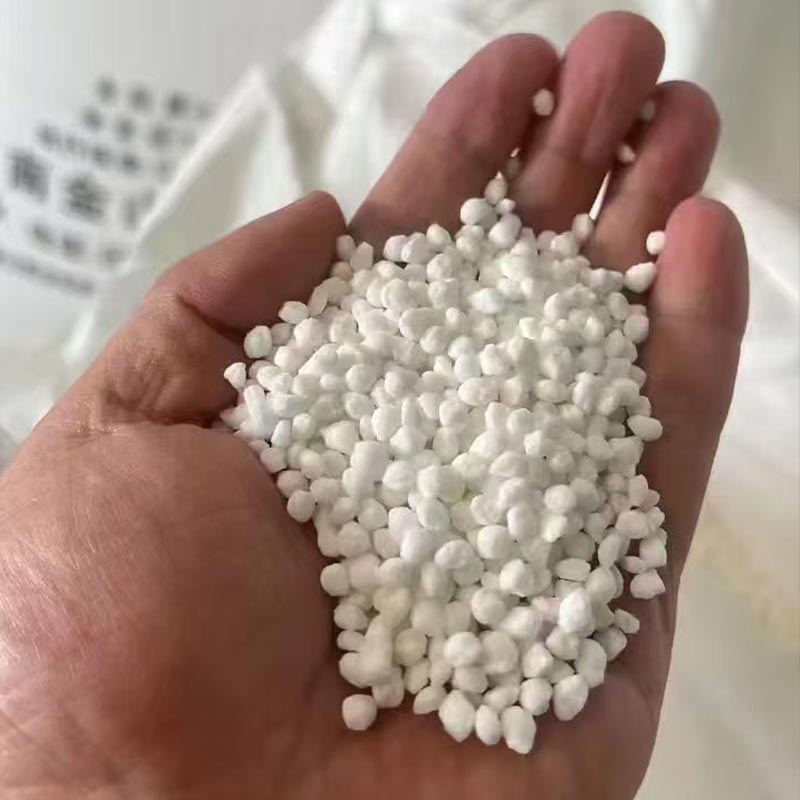
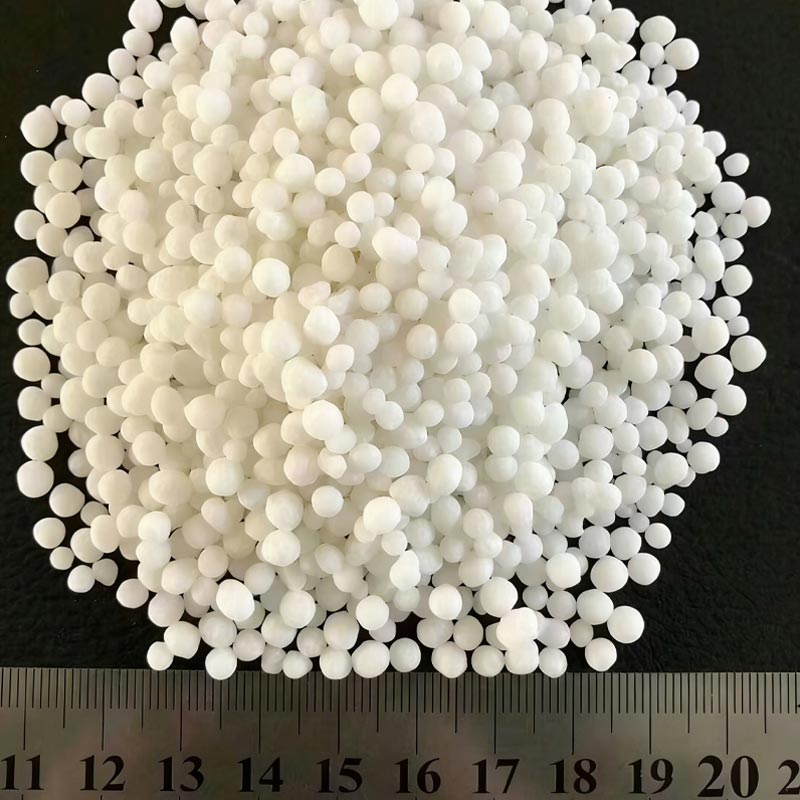
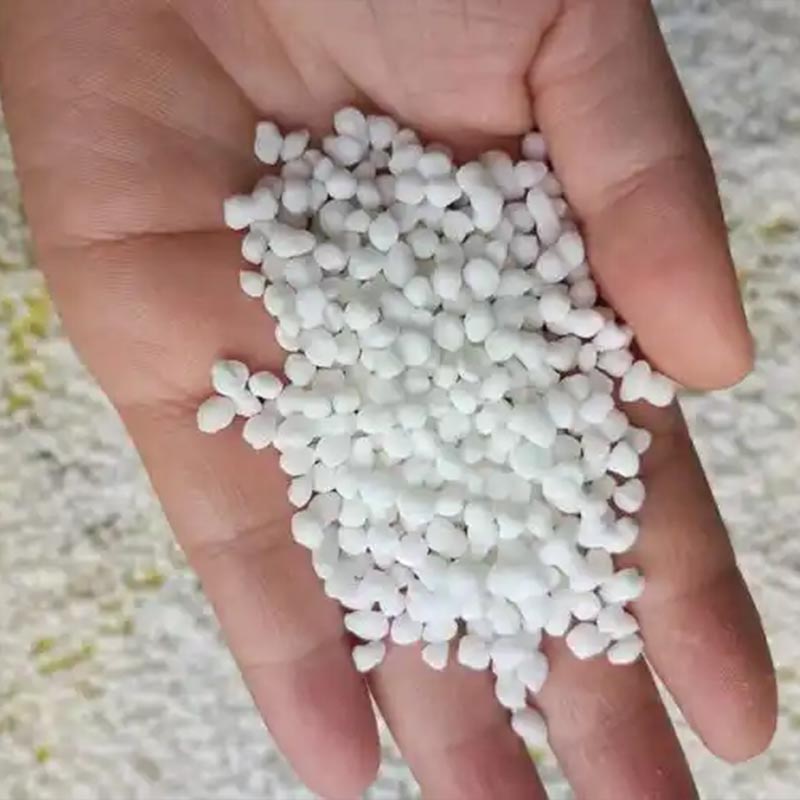
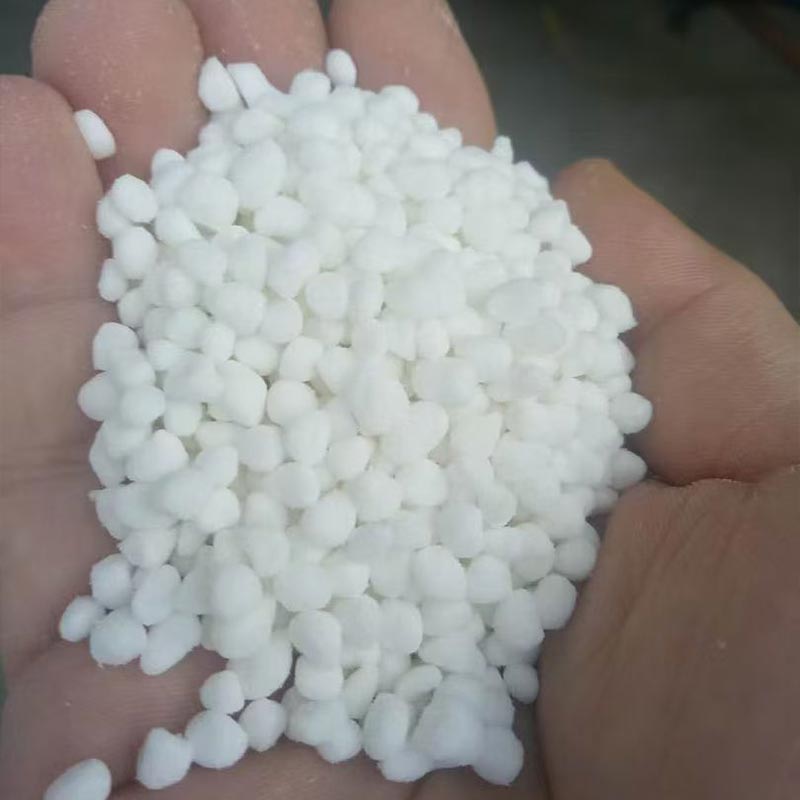
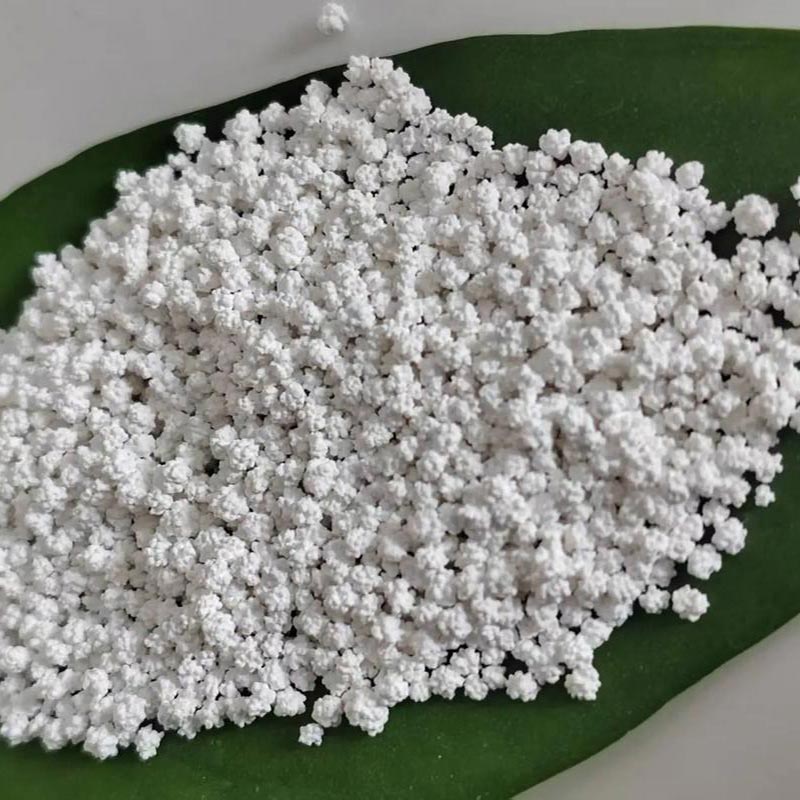
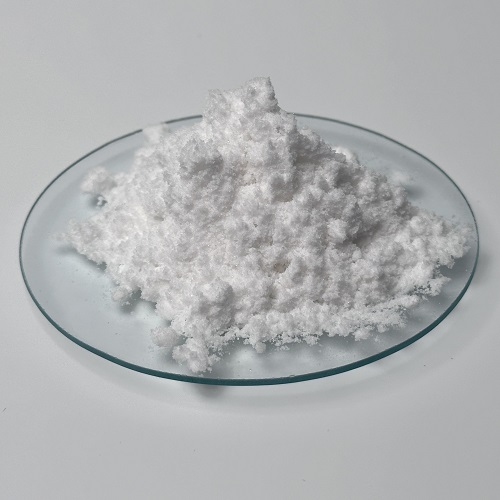
Magnesium sulfate products on the market vary widely in grade — industrial by-product, low-purity agricultural grade, and drip-irrigation-specific grade perform very differently in practice. Some low-cost products have high water-insoluble matter, containing impurities such as calcium salts and silicates. After dissolution, fine residues accumulate continuously in filters and emitter flow paths, gradually clogging the pipelines.
Beyond product impurities, fertilizer incompatibility can also cause blockage. Magnesium sulfate must not be mixed with high-concentration calcium fertilizer in the same fertilizer tank — the two react to form calcium sulfate precipitate. This white flocculent sediment can easily seal off emitters directly, which is why many farms still experience clogging even when the fertilizer itself looks clean.
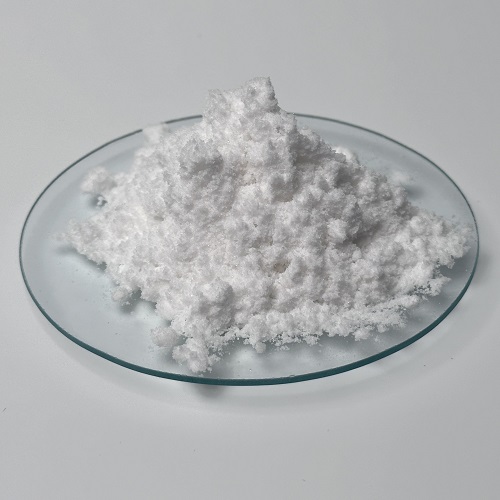
To avoid drip irrigation failures caused by Magnesium sulfate, focus on two core indicators during procurement. Prioritize drip-irrigation-specific Magnesium sulfate, and carefully check the water-insoluble matter parameter — for drip irrigation scenarios, it is recommended to keep water-insoluble matter below 0.2%, with a clear solution free of visible residue after dissolution and full solubility even at low temperatures.
Practical application also requires careful control. Mix Magnesium sulfate and calcium fertilizer separately using a dual-tank dosing system; follow the sequence of adding water first, then fertilizer, stirring until fully dissolved before starting the drip irrigation system; after each fertigation, flush the entire drip irrigation pipeline with clean water to reduce mineral deposition on pipe walls.
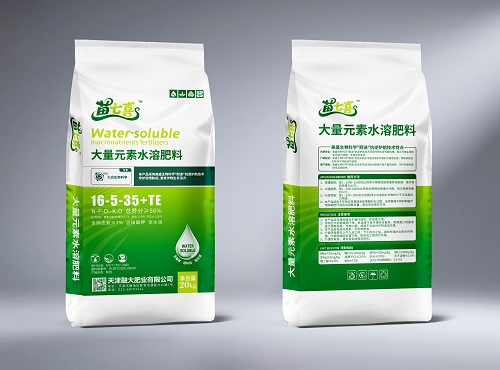
Rongda reminds growers that drip irrigation clogging results from multiple overlapping factors — water quality, filter configuration, fertilizer quality, and fertigation operations all need comprehensive consideration. Selecting Magnesium sulfate suitable for water-fertilizer integration not only stably supplies magnesium and sulfur nutrients to crops, but also minimizes equipment failure, reduces later maintenance costs, and ensures stable planting production.
Related News
- Will Continuous Application of Magnesium Sulfate on Acidic Soil Aggravate Soil Acidification?
- How Do Controlled-Release Curves Match Crop Demand?
- Can Magnesium Sulfate Be Used in Saline-Alkali Soil? What Are the Risks of Long-Term Application?
- How Do You Turn a Soil Test into a Blend Sheet?
- How Does Applying Magnesium Sulfate After Grape Harvest Help Bud Burst in the Next Year?
- Which Magnesium Sulfate Fits Your Ground?
Leave me a message