
What Is Ammonium Sulfate and Why Is It Essential for Modern Agriculture and Industrial Applications
Ammonium Sulfate (21-0-0-24S) is one of the most reliable nitrogen and sulfur fertilizers widely used in global agriculture. This in-depth guide explores its composition, benefits, soil compatibility, crop suitability, application techniques, industrial uses, and comparison with other nitrogen fertilizers. The article also explains why high-quality sourcing from trusted manufacturers such as Rongda ensures consistent nutrient efficiency and crop performance.

Table of Contents
- 1. What Is Ammonium Sulfate?
- 2. Chemical Composition and Nutrient Value
- 3. Key Agricultural Benefits
- 4. Why Is It Ideal for Alkaline Soils?
- 5. Ammonium Sulfate vs. Other Nitrogen Fertilizers
- 6. Application Methods and Best Practices
- 7. Suitable Crops and Yield Improvement
- 8. Industrial Applications Beyond Fertilizer
- 9. How to Choose High-Quality Ammonium Sulfate
- 10. Frequently Asked Questions
1. What Is Ammonium Sulfate?
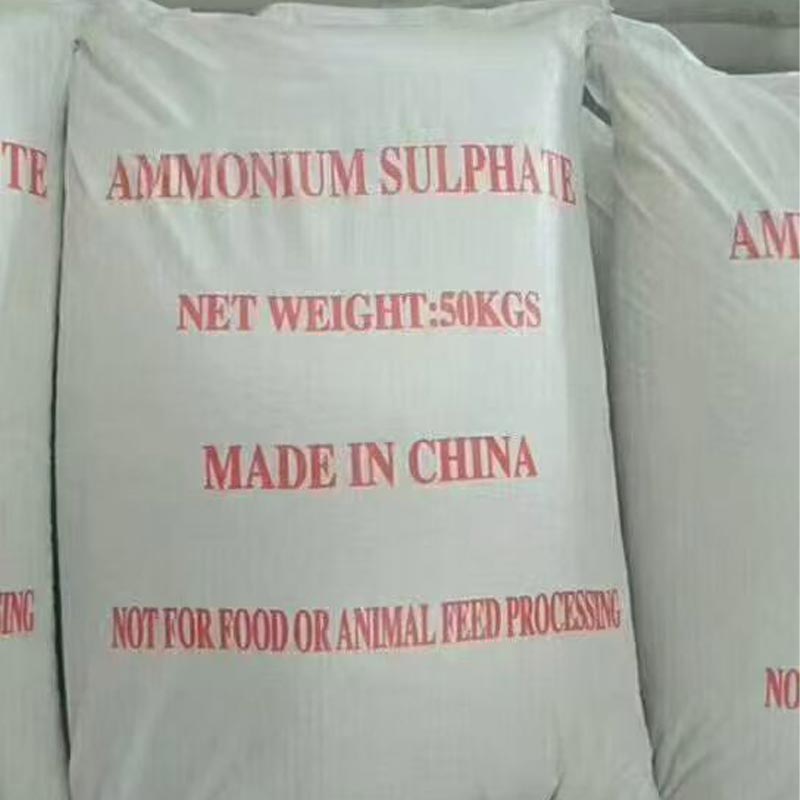
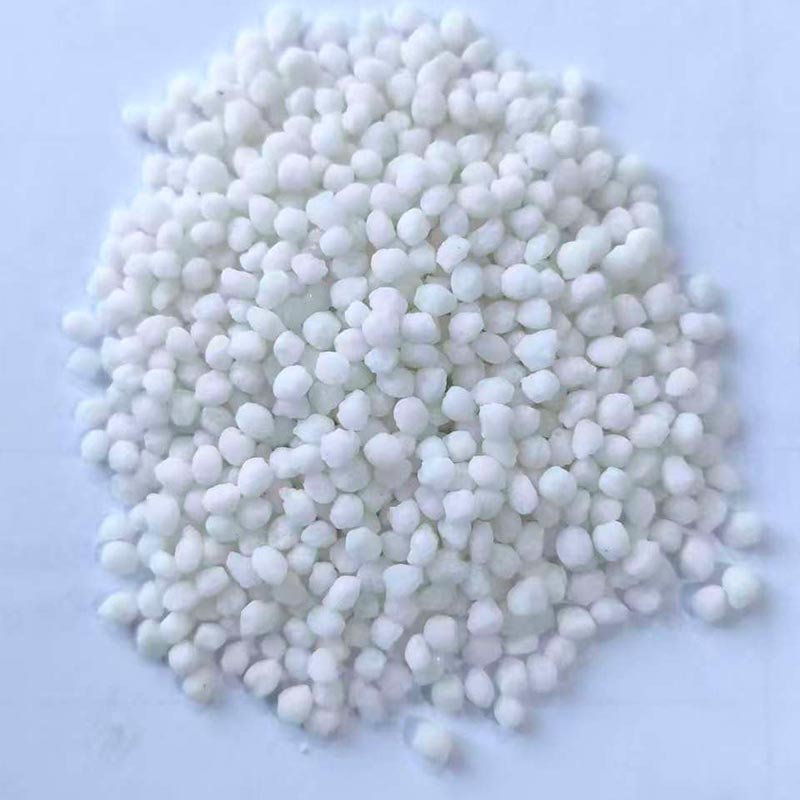
Ammonium sulfate is an inorganic salt with the chemical formula (NH₄)₂SO₄. It is a highly effective nitrogen fertilizer containing 21% nitrogen and 24% sulfur. Originally produced as a byproduct of caprolactam and coke oven gas processing, it is now manufactured specifically for agricultural and industrial uses.
Due to its dual-nutrient composition, ammonium sulfate plays a vital role in correcting sulfur deficiencies while supplying stable ammonium nitrogen.
2. Chemical Composition and Nutrient Value
| Parameter | Specification |
|---|---|
| Nitrogen (N) | 21% |
| Sulfur (S) | 24% |
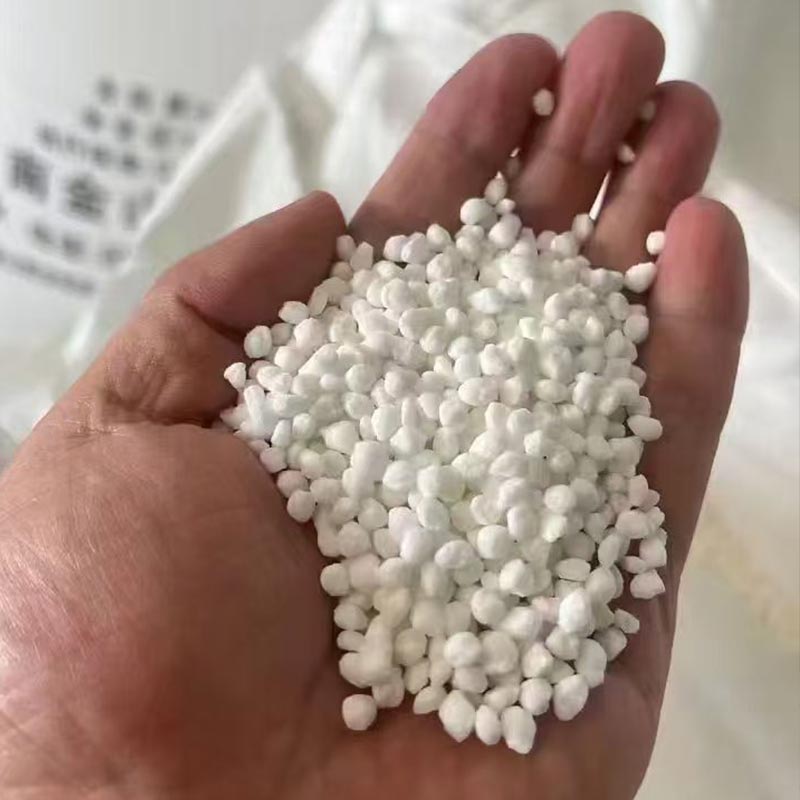
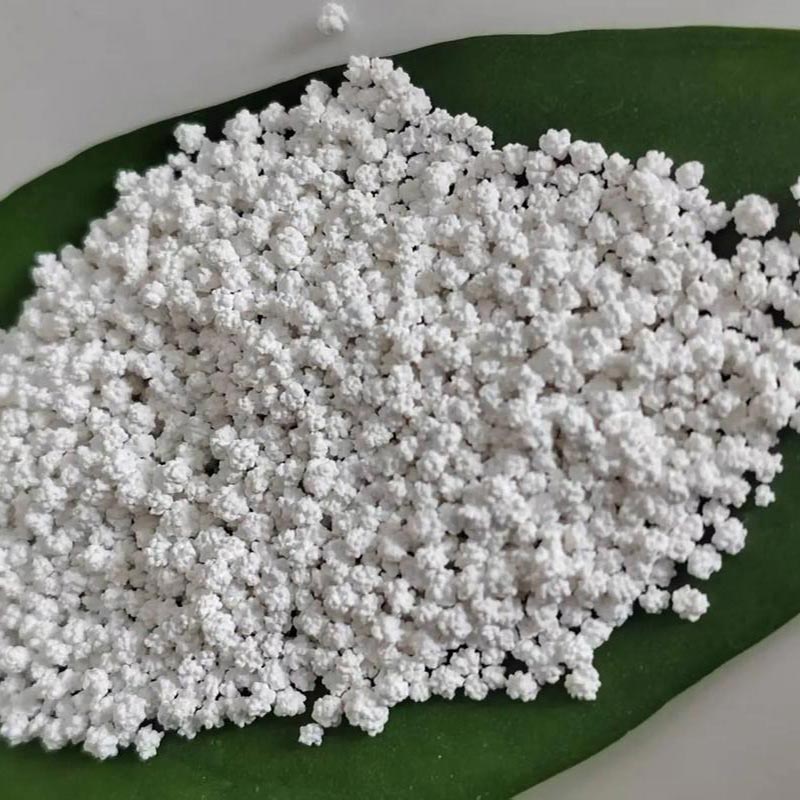
| Appearance | White or off-white crystalline/granular |
| Solubility | Highly water-soluble |
The nitrogen in ammonium sulfate is in ammonium form, which binds to soil particles and reduces nitrogen leaching compared to nitrate-based fertilizers.
3. Key Agricultural Benefits
- Provides Dual Nutrients: Supplies both nitrogen and sulfur.
- Improves Protein Synthesis: Sulfur enhances enzyme formation.
- Reduces Nitrogen Loss: Ammonium form minimizes volatilization.
- Enhances Crop Quality: Boosts oil content and protein levels.
Sulfur deficiency has become increasingly common due to reduced atmospheric sulfur deposition. Ammonium sulfate directly addresses this gap.
4. Why Is It Ideal for Alkaline Soils?
One of the major advantages of ammonium sulfate fertilizer is its soil-acidifying effect. When ammonium nitrogen converts to nitrate through nitrification, hydrogen ions are released, lowering soil pH.
This makes it particularly effective in:
- Calcareous soils
- High pH farmland
- Regions with alkaline irrigation water
5. Ammonium Sulfate vs. Other Nitrogen Fertilizers
| Fertilizer | N Content | S Content | Soil Acidifying |
|---|---|---|---|
| Ammonium Sulfate | 21% | 24% | Yes |
| Urea | 46% | 0% | No |
| Ammonium Nitrate | 34% | 0% | Moderate |
While urea has higher nitrogen concentration, ammonium sulfate provides balanced nutrition and soil conditioning advantages.
6. Application Methods and Best Practices
Broadcast Application
Spread evenly before irrigation or rainfall.
Fertigation
Water-soluble forms are ideal for drip irrigation systems.
Top Dressing
Applied during vegetative growth for enhanced nitrogen uptake.
- Apply based on soil test results.
- Avoid over-application to prevent excessive acidification.
- Store in dry conditions.
7. Suitable Crops and Yield Improvement
Ammonium sulfate is particularly effective for:
- Rice
- Wheat
- Maize
- Oilseed crops
- Vegetables
- Tea and coffee plantations
Sulfur improves oil synthesis in crops like canola and enhances grain protein in cereals.
8. Industrial Applications Beyond Fertilizer
- Water treatment
- Flame retardants
- Textile manufacturing
- Pharmaceutical intermediates
Its chemical stability and solubility make it valuable across multiple sectors.
9. How to Choose High-Quality Ammonium Sulfate
- Check nutrient percentage certification.
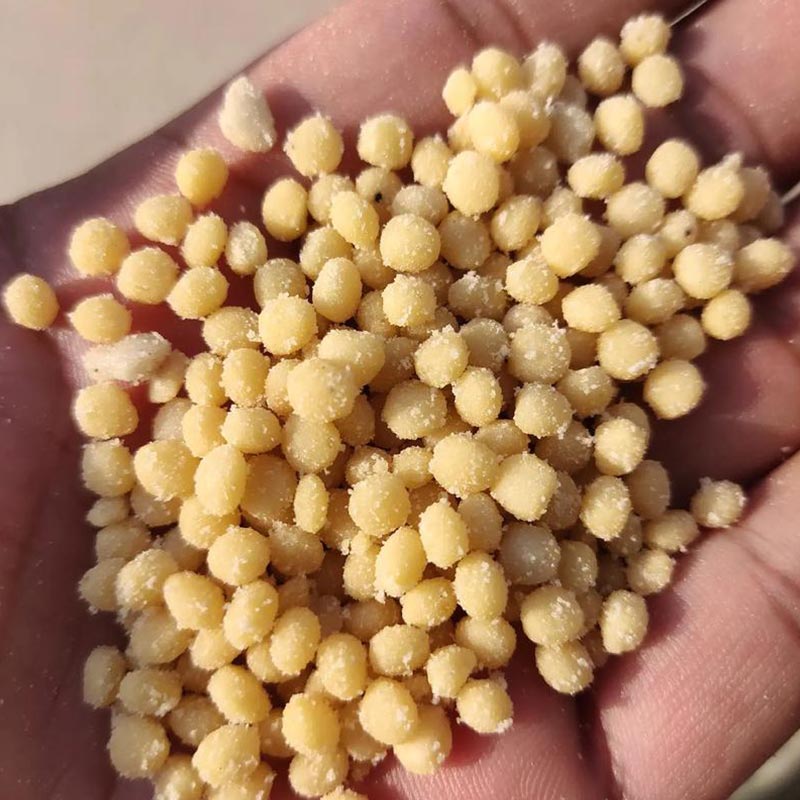
- Verify granule uniformity.
- Confirm moisture content is low.
- Partner with reliable suppliers like Rongda.
A reputable manufacturer ensures consistent particle size, minimal impurities, and stable nutrient concentration, supporting better agricultural outcomes.
10. Frequently Asked Questions
Is ammonium sulfate safe for all soil types?
It is ideal for alkaline soils but should be carefully monitored in already acidic soils.
Can it replace urea completely?
It can replace urea when sulfur supplementation is required.
Does it dissolve easily in water?
Yes, it is highly water-soluble and suitable for fertigation systems.
What is the typical application rate?
Rates vary by crop and soil condition, generally 100–300 kg per hectare.
Conclusion
Ammonium sulfate remains one of the most dependable nitrogen fertilizers worldwide due to its balanced nutrient profile and soil-conditioning benefits. From improving crop yield and quality to enhancing alkaline soil conditions, it serves as a versatile and cost-effective solution for modern agriculture.
If you are looking for consistent quality, competitive pricing, and reliable supply, Rongda offers premium ammonium sulfate solutions tailored for global agricultural needs. Contact us today to learn more about customized fertilizer solutions for your business.
Related News
- How Do Controlled-Release Curves Match Crop Demand?
- Can Magnesium Sulfate Be Used in Saline-Alkali Soil? What Are the Risks of Long-Term Application?
- How Do You Turn a Soil Test into a Blend Sheet?
- How Does Applying Magnesium Sulfate After Grape Harvest Help Bud Burst in the Next Year?
- Which Magnesium Sulfate Fits Your Ground?
- Can Foliar Spraying Magnesium Sulfate During Fruit Expansion Improve Fruit Sweetness?
Leave me a message