
Magnesium Deficiency & Yellow Leaves in Sandy Soil: How Can Monohydrate Magnesium Sulfate Supply Magnesium Rapidly?
Sandy soil suffers heavy magnesium leaching and crop interveinal yellow leaves. RONGDA monohydrate magnesium sulfate offers fast magnesium & sulfur supply. Learn practical foliar spray, drip irrigation and base fertilization plans, plus tips to avoid potassium-magnesium antagonism and nutrient loss for stable crop yield.
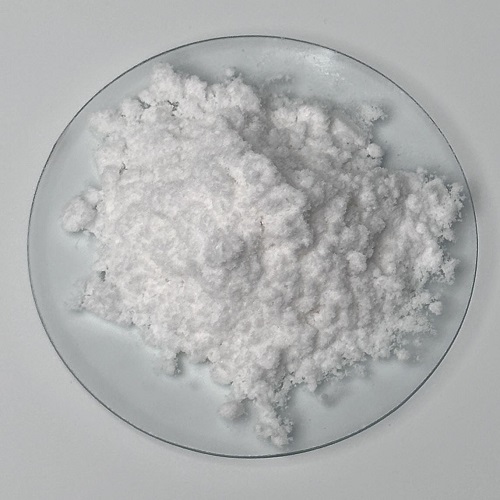
Table of Contents
1. Why Sandy Soil Prone to Magnesium Deficiency and Yellow Leaves
2. Core Advantages of RONGDA Monohydrate Magnesium Sulfate for Rapid Magnesium Supply
4. Critical Pitfalls to Avoid When Supplementing Magnesium on Sandy Land
5. Supporting Soil Improvement Strategy to Reduce Magnesium Leaching
1. Why Sandy Soil Prone to Magnesium Deficiency and Yellow Leaves
Sandy soil contains low organic matter and low cation exchange capacity. Soil colloids can barely hold magnesium ions. Magnesium is the core component of chlorophyll. Once magnesium is lost, interveinal chlorosis appears firstly on older leaves while leaf veins remain green, which is the classic symptom of magnesium deficiency.This deficiency can be worsened by improper fertilization. Heavy application of potassium fertilizer triggers potassium-magnesium antagonism: potassium ions compete with magnesium ions for root absorption sites. Even if magnesium exists in soil, crops cannot absorb it efficiently. Heavy rain or flood irrigation further washes magnesium below the root zone, causing premature aging and yellow leaves in fruit trees, vegetables and cash crops in mid-late growing stages.
2. Core Advantages of RONGDA Monohydrate Magnesium Sulfate for Rapid Magnesium Supply
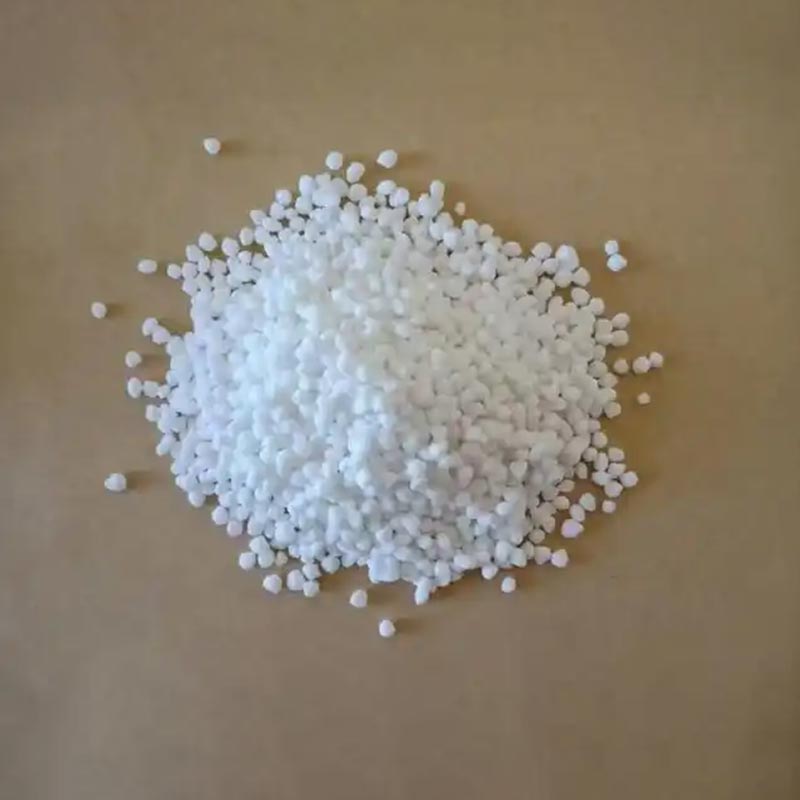
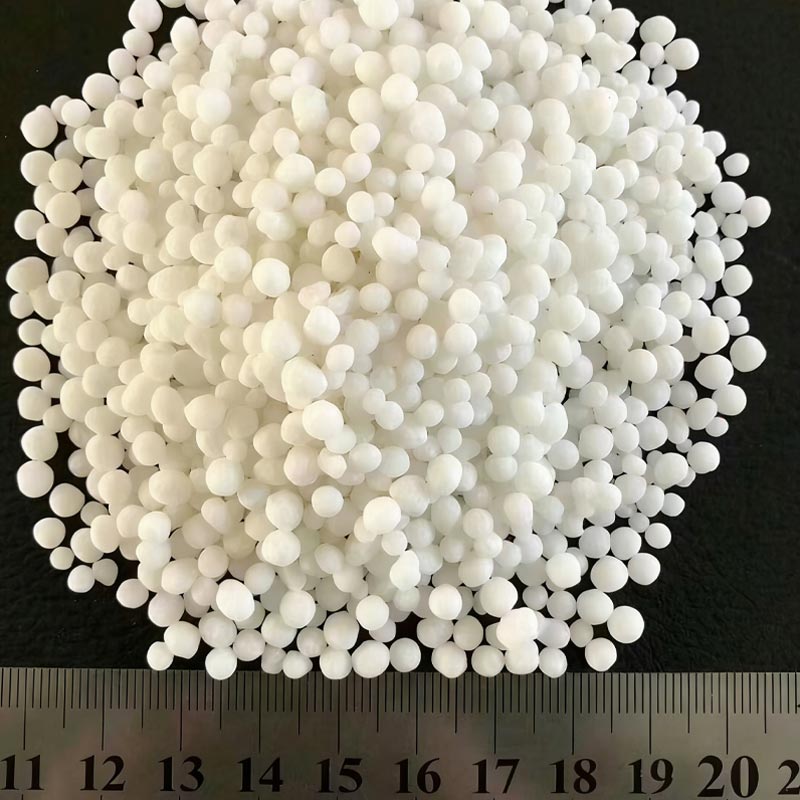
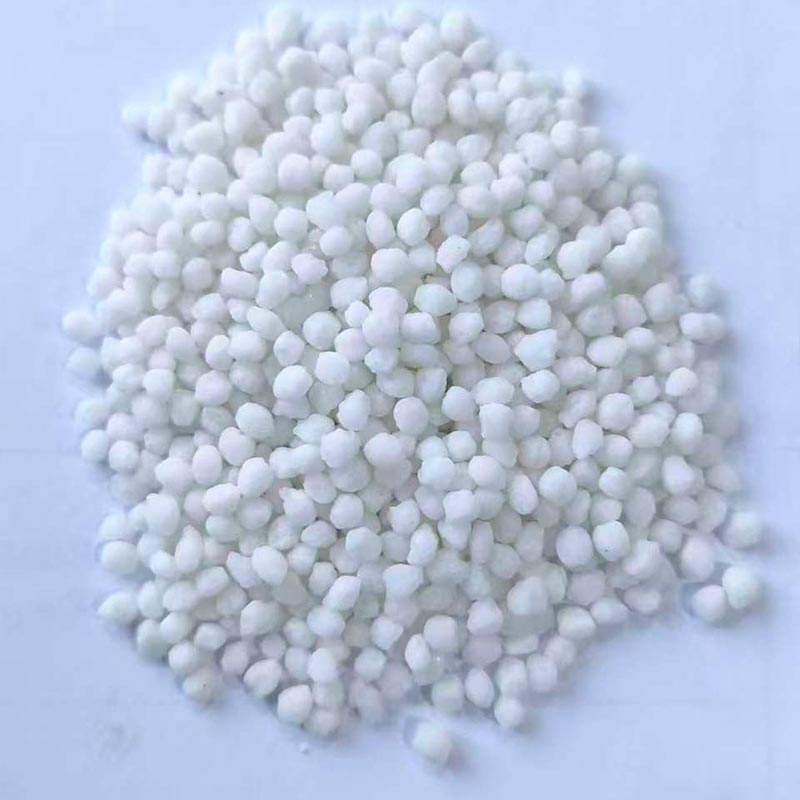
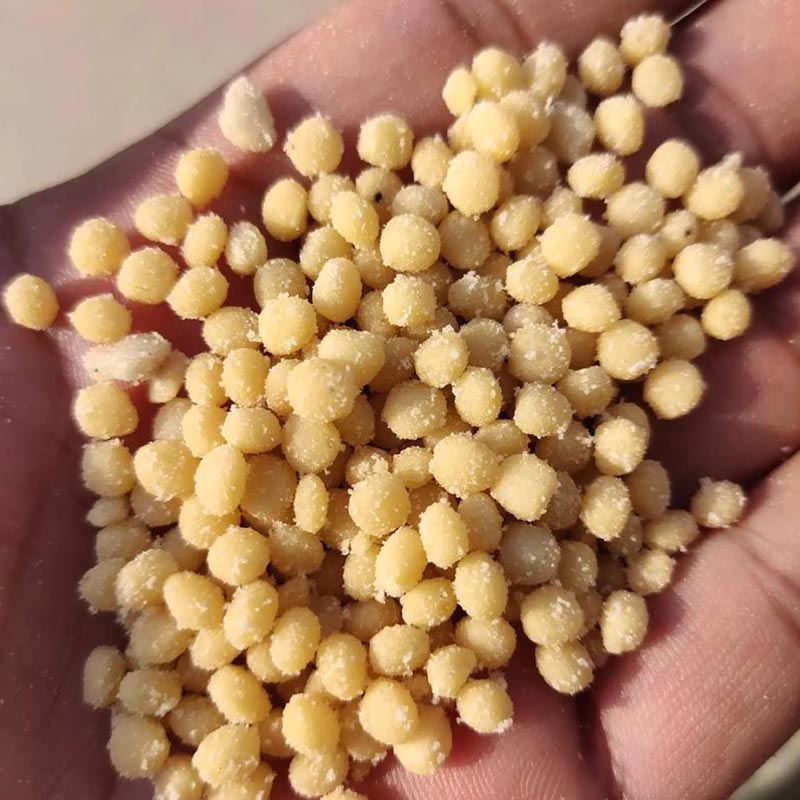
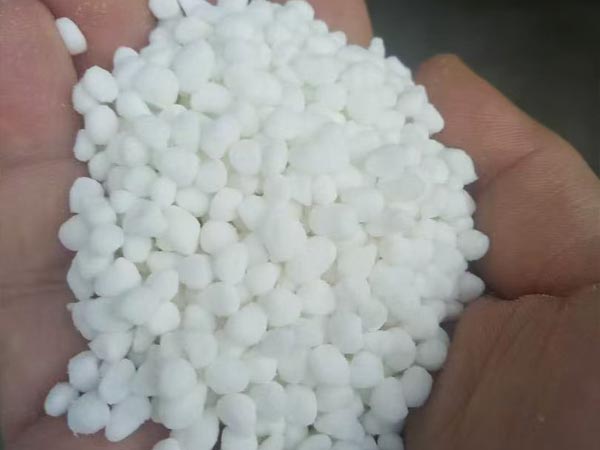
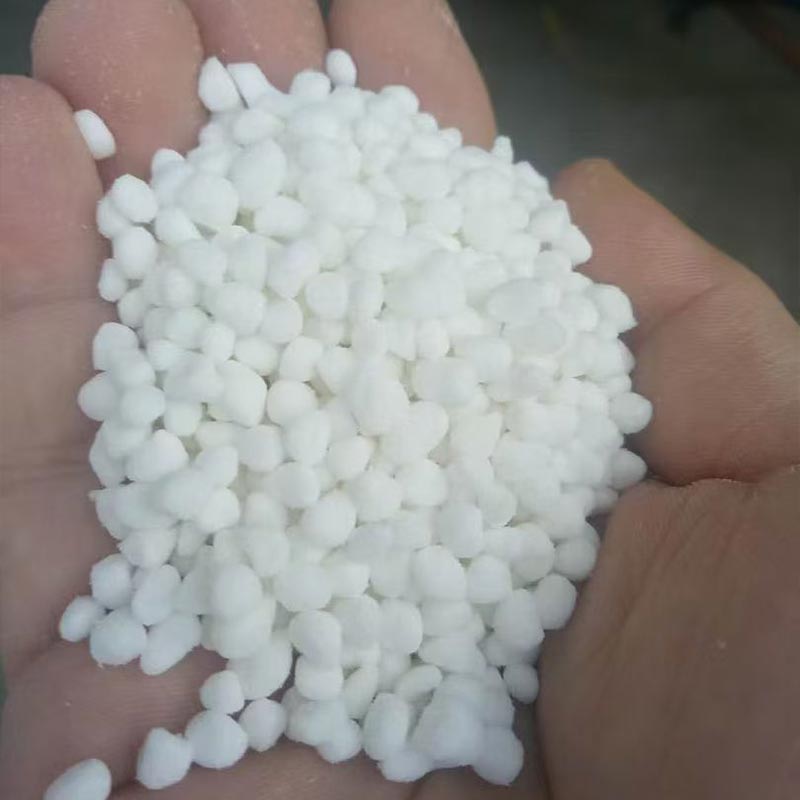
Compared with magnesium sulfate heptahydrate, RONGDA monohydrate magnesium sulfate has higher magnesium content and lower moisture, with less caking during long storage, which fits long-distance sea transportation and farm storage.
✅ Dual nutrient supply: delivers magnesium and sulfur simultaneously. Sulfur participates in synthesis of amino acids and proteins to improve fruit quality.
✅ Fast dissolution: releases magnesium ions quickly after dissolving in water. It works well for drip irrigation, fertigation and foliar spraying, which is perfect for emergency correction of magnesium deficiency and yellow foliage.
✅ Flexible forms: available in granular and powder grades. Granules can be applied as base fertilizer for sustained magnesium supply, while foliar spray bypasses soil leaching and enables direct absorption through leaf tissues.
3. Application Guide for RONGDA Monohydrate Magnesium Sulfate in Sandy Soil (Emergency Remedy & Long-term Base Application)
3.1 Emergency remedy: already visible yellow leaves
Foliar spray: Prepare 0.2%~0.3% diluted RONGDA monohydrate magnesium sulfate solution. Avoid spraying at noon under high temperature. Apply twice with an interval of 5–7 days. Leaves absorb magnesium directly without soil leaching interference, rapidly boosting chlorophyll and easing yellowing symptoms.
Drip irrigation / soil drench: Apply in small and split doses, never one-time heavy application in sandy soil. Feed magnesium through drip systems gradually to reduce magnesium leaching below root zone.
3.2 Long-term base application: prevent magnesium deficiency in next season
Apply granular RONGDA monohydrate magnesium sulfate during land preparation, together with organic fertilizer. Organic matter raises soil cation exchange capacity, helps retain magnesium and slows nutrient loss.
Key rule for sandy soil: small dosage, multiple applications. A single large dose will cause magnesium to leach rapidly and lower fertilizer use efficiency.
4. Critical Pitfalls to Avoid When Supplementing Magnesium on Sandy Land
1. Watch out for potassium-magnesium antagonism: Do not overuse high-potassium fertilizer during magnesium supplementation. Excess potassium blocks magnesium uptake and yellow leaves cannot be fixed.
2. Do not mix with strong alkaline fertilizers: Alkaline materials like wood ash or quicklime will precipitate magnesium and reduce fertilizer effectiveness. Keep an interval of 7–10 days between these products.
3. Control single application rate: Sandy soil cannot hold nutrients well. Overdose not only wastes fertilizer, but also raises soil salinity and damages root systems.
4. Soil test recommended: Test exchangeable magnesium in soil before large-scale fertilization to achieve precise nutrient supply.
5. Supporting Soil Improvement Strategy to Reduce Magnesium Leaching
Simply adding magnesium fertilizer cannot solve recurring magnesium shortage on sandy land. Apply organic fertilizer and humus to lift soil organic content, strengthen magnesium retention and cut magnesium leaching.
Optimize irrigation: replace flood irrigation with drip or micro-spray to reduce downward water movement and nutrient loss. Split magnesium supply according to crop growth phases, especially fruit expansion and fruiting stages, to prevent premature aging and leaf yellowing in late growth period.
Conclusion
The core challenge of magnesium deficiency on sandy soil is not lack of magnesium fertilizer, but poor magnesium retention and nutrient antagonism. RONGDA monohydrate magnesium sulfate features high magnesium content and fast solubility to rapidly rescue yellow deficient crops. Combined with split application and organic soil amendment, growers can achieve both fast correction and long-lasting magnesium supply, maintain healthy crop growth and raise yield and fruit quality.
Related News
- Which Magnesium Sulfate Fits Your Ground?
- Can Foliar Spraying Magnesium Sulfate During Fruit Expansion Improve Fruit Sweetness?
- How Do You Judge a Blended Fertilizer Before You Buy It?
- Magnesium Deficiency & Premature Aging in Greenhouse Vegetables: Soil Drench vs Foliar Spray of Magnesium Sulfate
- Which Water-Soluble NPK Formula Fits Each Growth Stage?
- What is the difference between Magnesium Sulfate and Calcium Magnesium Granules? When to Use Them Together?
Leave me a message