
Which Crops Are Suitable for Ammonium Chloride? Usage Guide, Advantages and Restrictions
Ammonium chloride is a physiologically acidic quick-acting nitrogen fertilizer widely applied in agriculture. Featuring stable nitrogen content and high cost performance, it is extensively used for grain crops and fiber cash crops. Nevertheless, due to containing chloride ions and its property of acidifying soil, it has strict restrictions on applicable crops, soil types and application methods. Many growers encounter soil compaction, poor crop quality and low fertilizer efficiency because they fail to distinguish applicable scenarios and ignore fertilizer application taboos. This article comprehensively introduces the chemical characteristics, applicable crops, application features and prohibitions of ammonium chloride, guiding growers to apply fertilizer scientifically, avoid risks and increase yields.

Table of Contents
1. Basic Physical and Chemical Properties of Ammonium Chloride
2. Suitable Crops and Application Scenarios of Ammonium Chloride
3. Application Characteristics and Advantages of Ammonium Chloride
4. Strict Prohibitions and Restrictions for Using Ammonium Chloride
6. Frequently Asked Questions (FAQ)
Basic Physical and Chemical Properties of Ammonium Chloride
Ammonium chloride is synthetic ammonium nitrogen fertilizer with stable quality and pure nutrients, which serves as a cost-effective option for nitrogen supplementation in modern farming.
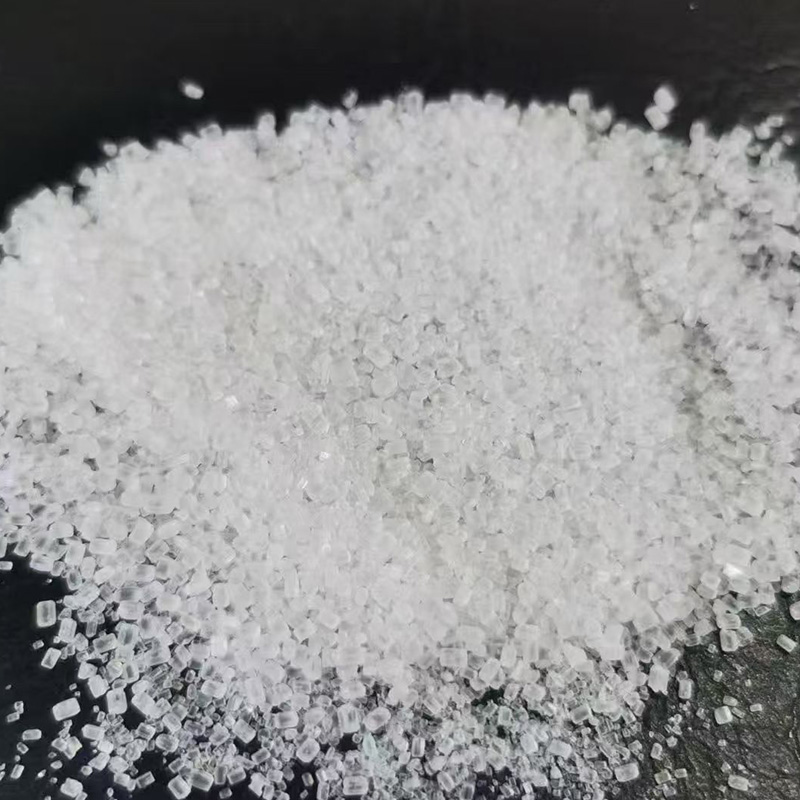
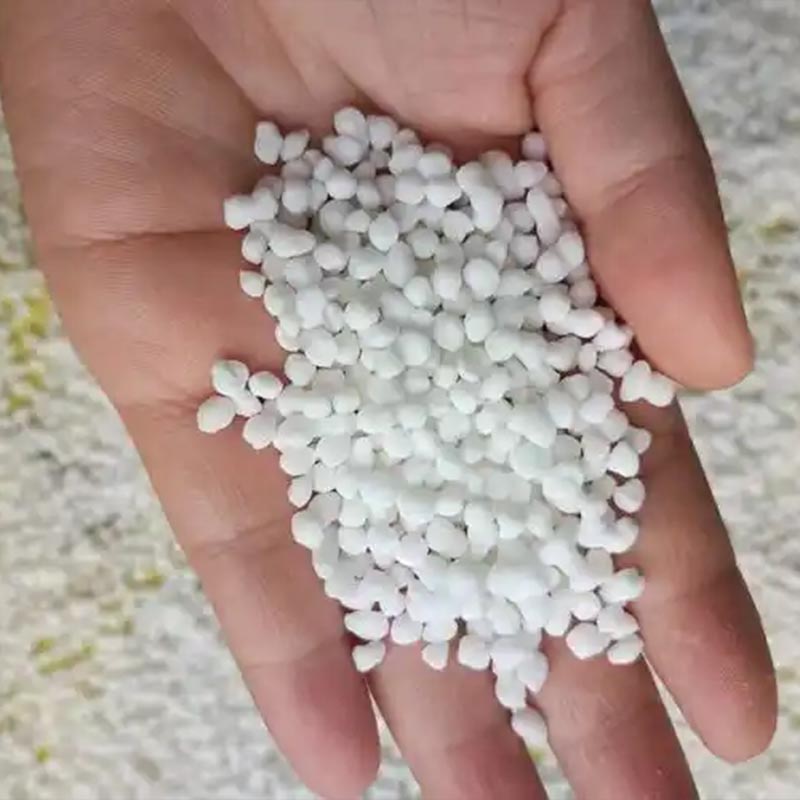
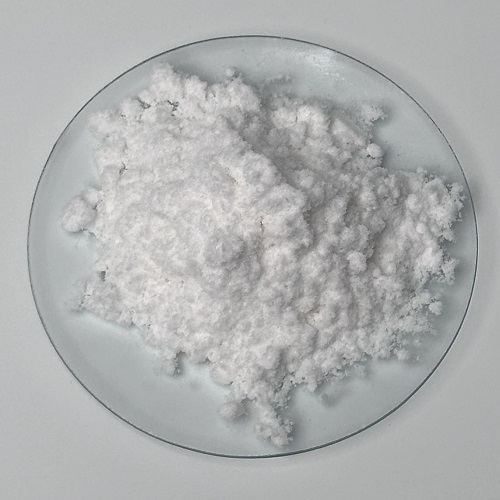
It appears as white crystals or crystalline powder, dissolves rapidly in water and forms weakly acidic aqueous solution. It has poor heat resistance. When the temperature rises above 100℃, ammonium chloride will decompose into ammonia and hydrogen chloride. Therefore, keep it away from high temperature and direct sunlight during storage and application.
Agricultural ammonium chloride contains 24%–26% nitrogen, classified as fast-acting nitrogen fertilizer that can be absorbed quickly by plants. As a physiologically acidic fertilizer, continuous long-term single application will lower soil pH value, cause soil acidification and compaction, which requires attention in daily planting management.
Suitable Crops and Application Scenarios of Ammonium Chloride
According to crops’ tolerance to chloride ions, ammonium chloride has clear matching crop varieties and shows stable fertilizer effects on suitable plants.
1.Grain Crops
It is especially ideal for paddy grain crops including rice, wheat, corn and sorghum. In paddy fields, chloride ions can inhibit soil nitrification, reduce nitrogen loss via leaching, maintain lasting fertilizer efficiency. It is regarded as one of the preferred nitrogen fertilizers for rice cultivation.
2.Fiber Cash Crops
It works well for cotton, hemp and other fiber crops. Moderate chloride ions facilitate fiber synthesis, strengthen plant toughness and improve lodging resistance, which helps enhance yield and quality of cash crops.
3.Common Vegetables
Most ordinary vegetables can receive ammonium chloride appropriately to satisfy nutrient demands in seedling and growing periods and support robust plant growth.
Application Characteristics and Advantages of Ammonium Chloride
Compared with conventional nitrogen fertilizers such as ammonium sulfate, ammonium chloride has prominent advantages in cost and practical application, especially for large-scale farm planting.
First of all, ammonium chloride boasts higher nitrogen content and lower unit fertilizer cost, cutting planting investment, suitable for base fertilizer and topdressing on large farmland.
In addition, it performs excellently in paddy field application. It will not produce toxic hydrogen sulfide, preventing root rot caused by toxic substances. Meanwhile, it extends fertilizer duration and improves nutrient utilization rate, making it a high-efficiency and economical nitrogen fertilizer for rice fields.
As a quick-acting nitrogen fertilizer, it can effectively relieve chlorosis, weak growth and developmental stagnation caused by nitrogen deficiency. It is available for emergency nutrient supplement during crop growth cycles.
Strict Prohibitions and Restrictions for Using Ammonium Chloride
Ammonium chloride cannot be used universally. Certain crops and soil conditions are not applicable. Improper application will severely damage crop yield and soil health.
Crops Sensitive to Chloride Are Forbidden:
Never apply ammonium chloride on chloride-sensitive crops. Accumulated chloride ions will cause fertilizer damage. Restricted crops include tobacco, potato, grape, citrus, tea tree and sugar beet. Application will lead to worse product taste, decreased output and weaker disease resistance.
Unsuitable Soil Conditions:
Long-term or heavy application is banned on saline-alkali soil and acidic soil. Application on acidic soil will aggravate acidification and compaction; usage on saline-alkali land will accelerate salt accumulation and destroy soil structure.
Application Limitations:
Ammonium chloride cannot be used as seed fertilizer or seedling bed fertilizer, as it may burn seeds and young roots, resulting in uneven germination and seedling death.
It is not recommended for arid regions with low rainfall. Insufficient soil water cannot dilute chloride ions, easily triggering salt accumulation and root injury.
For lands using ammonium chloride for years, organic fertilizer or alkaline materials such as lime must be applied together to neutralize soil acidity, improve soil texture and avoid compaction.
Summary
Ammonium chloride is a cost-effective, fast-acting physiologically acidic nitrogen fertilizer with high nitrogen content. It is most suitable for chloride-tolerant field crops such as rice, wheat, corn, cotton and hemp. Particularly in paddy fields, it achieves better performance than ammonium sulfate with higher safety and better economic benefits.
However, growers need to follow strict application rules. It should not be used on chloride-sensitive crops, acidic soil, saline-alkali land and arid areas, and it cannot be adopted for seed sowing and seedling cultivation. Matching organic fertilizer and alkaline amendments is essential for long-term application. If applied properly according to matching scenarios, ammonium chloride can maximize nitrogen supply effect to stabilize yield and lower planting costs.
Frequently Asked Questions (FAQ)
Q1: Which one is better, ammonium chloride or ammonium sulfate?
A: Ammonium chloride is preferred for paddy fields thanks to lower cost, no hydrogen sulfide hazard and better nutrient retention. Ammonium sulfate is more suitable for dry land and chloride-sensitive crops. Alternate usage based on soil and crop types can achieve the best outcome.
Q2: Can ammonium chloride be used on acidic soil?
A: Intermittent small-dose application is acceptable, yet long-term single use is forbidden. Farmers need to apply lime or organic fertilizer to neutralize acidity after each application to prevent continuous soil degradation and compaction.
Q3: Can ammonium chloride be sprayed as foliar fertilizer?
A: It is not suggested. High concentration of chloride ions in ammonium chloride may scorch leaves after foliar spraying. It is only suitable for base application and root topdressing.
Q4: Can wheat and corn be fertilized with ammonium chloride for many years?
A: Yes. Wheat and corn are chloride-tolerant field crops. But organic fertilizer should be applied annually to improve soil and avoid continuous acidification.
Q5: Why are tobacco and grapes forbidden to use ammonium chloride?
A: They are typical chloride-sensitive crops. Accumulated chloride ions will disrupt internal metabolism, reduce the combustibility of tobacco, lower sugar content of grapes and worsen fruit quality.
If you are searching for a reliable supplier of agricultural ammonium chloride that provides stable quality and professional support, Tianjin Rongda Fertilizer Co., Ltd. is ready to serve you. Contact us today to find out how our fertilizer solutions can boost your agricultural productivity.
Related News
- How Do Controlled-Release Curves Match Crop Demand?
- Can Magnesium Sulfate Be Used in Saline-Alkali Soil? What Are the Risks of Long-Term Application?
- How Do You Turn a Soil Test into a Blend Sheet?
- How Does Applying Magnesium Sulfate After Grape Harvest Help Bud Burst in the Next Year?
- Which Magnesium Sulfate Fits Your Ground?
- Can Foliar Spraying Magnesium Sulfate During Fruit Expansion Improve Fruit Sweetness?
Leave me a message