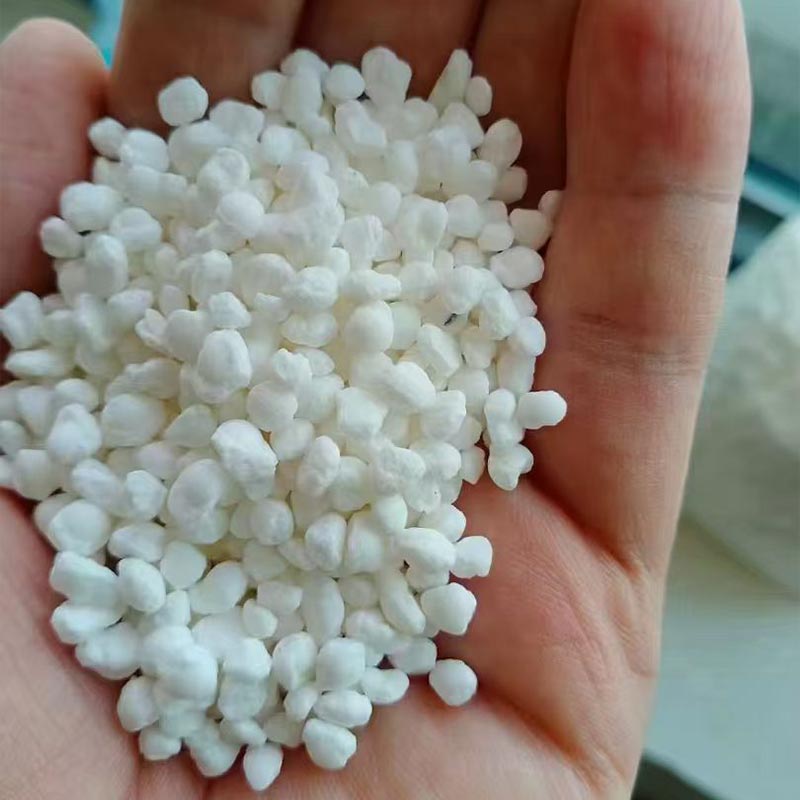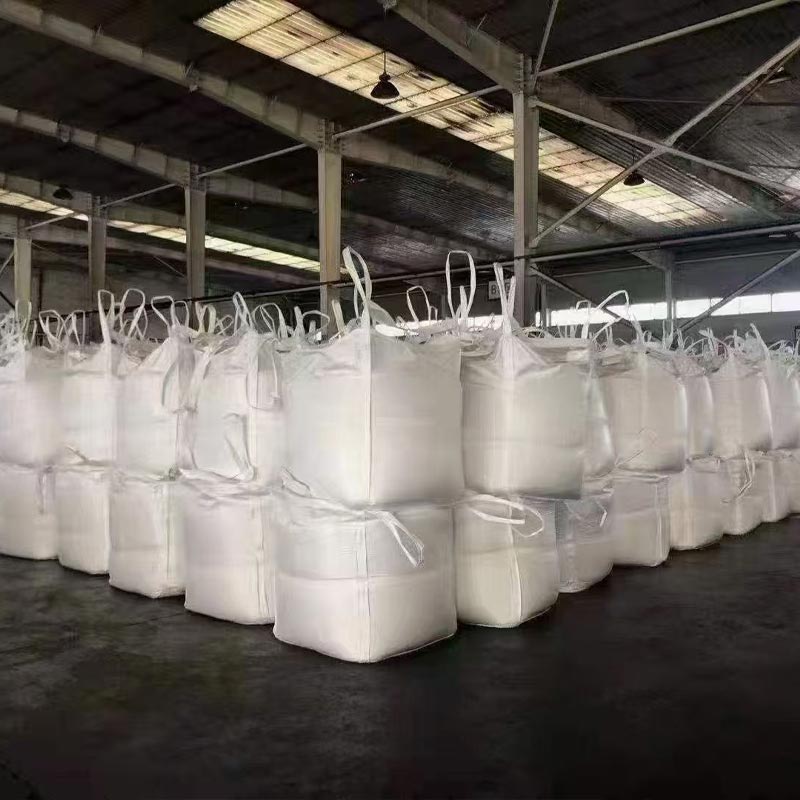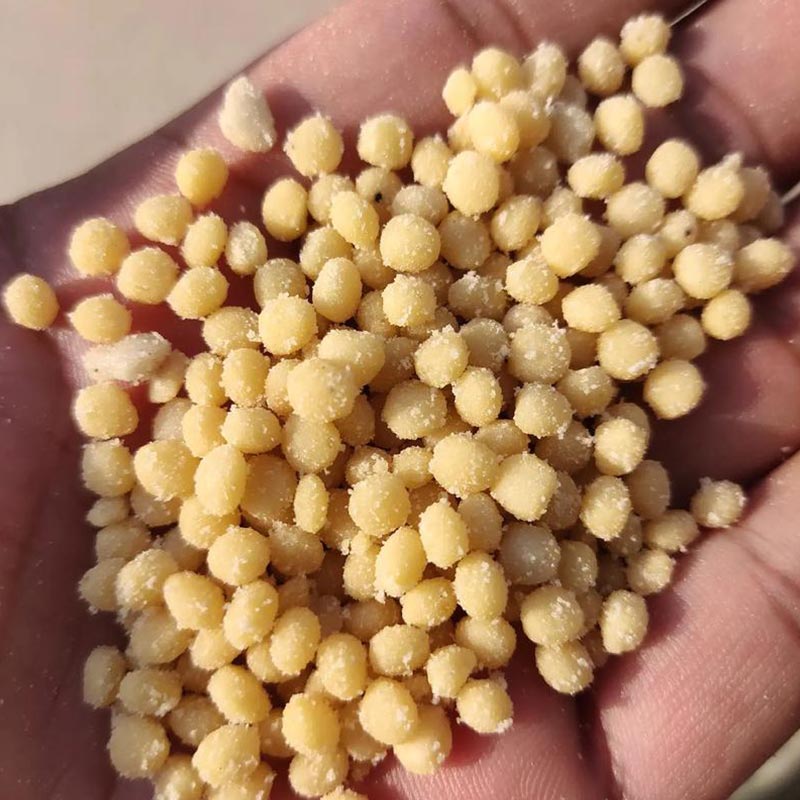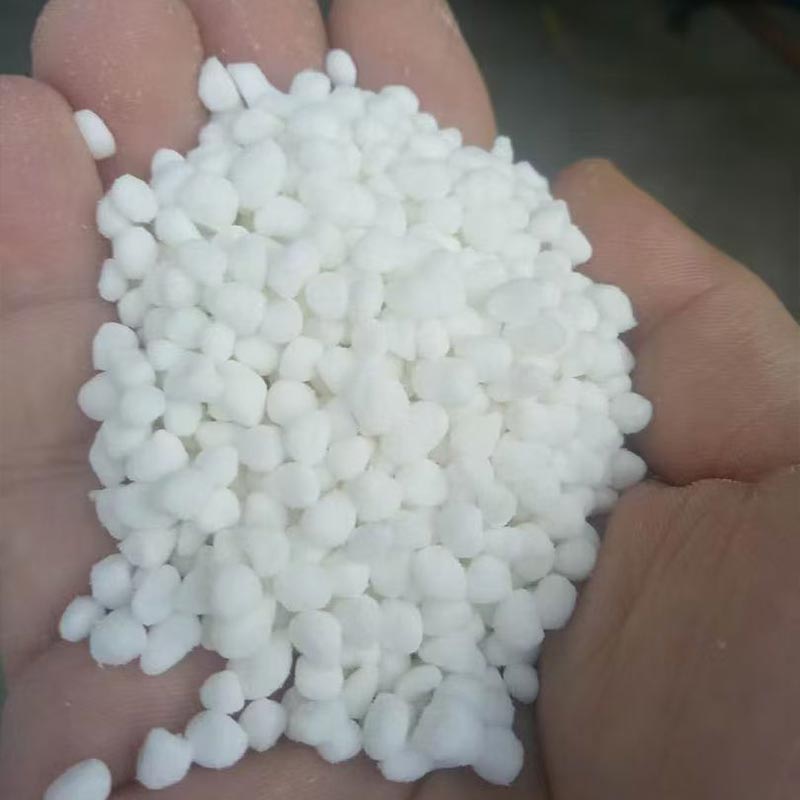

What Fertilizers Can Be Mixed With Magnesium Sulphate? Sorting Out Key Application Taboos
Magnesium sulphate is a common medium-element fertilizer in agriculture, supplying magnesium and sulphur nutrients simultaneously. Improper mixing of magnesium sulphate in field production may cause precipitation, reduced fertilizer efficiency and blockage of drip irrigation equipment. With years of experience in agricultural fertilizer industry, Rongda sorts out fertilizers compatible with magnesium sulphate and incompatible categories, and summarizes field application taboos of magnesium sulphate to help growers use magnesium sulphate scientifically.

Table of Contents
1. Functions of Magnesium Sulphate in Agricultural Planting
2. Fertilizer Categories Suitable for Mixing With Magnesium Sulphate
3. Fertilizers Strictly Forbidden to Mix Directly With Magnesium Sulphate
4. Practical Notes for Drenching and Drip Irrigation With Magnesium Sulphate
5. Application Taboos of Magnesium Sulphate for Different Crops
6. Simple Mixing Test Method for Magnesium Sulphate
1. Functions of Magnesium Sulphate in Agricultural Planting
Magnesium is the core element for plant chlorophyll synthesis, while sulphur participates in crop protein synthesis. Magnesium sulphate can provide these two essential nutrients at the same time. When field crops, fruit trees and greenhouse vegetables show interveinal chlorosis caused by magnesium deficiency, many farmers choose magnesium sulphate for rapid magnesium supplement. Through field investigation in multiple regions, Rongda technical team finds that many growers only focus on applying magnesium sulphate but ignore fertilizer mixing rules, which greatly reduces the fertilizer effect of magnesium sulphate. According to different magnesium deficiency levels in soil, application methods of magnesium sulphate should be adjusted flexibly. Whether applying magnesium sulphate as base fertilizer, top-dressing by drenching or foliar spraying magnesium sulphate, fertilizer compatibility should be taken into full consideration.
2. Fertilizer Categories Suitable for Mixing With Magnesium Sulphate
Most neutral and acid-based fertilizers can be safely mixed with magnesium sulphate without chemical reaction and precipitation.
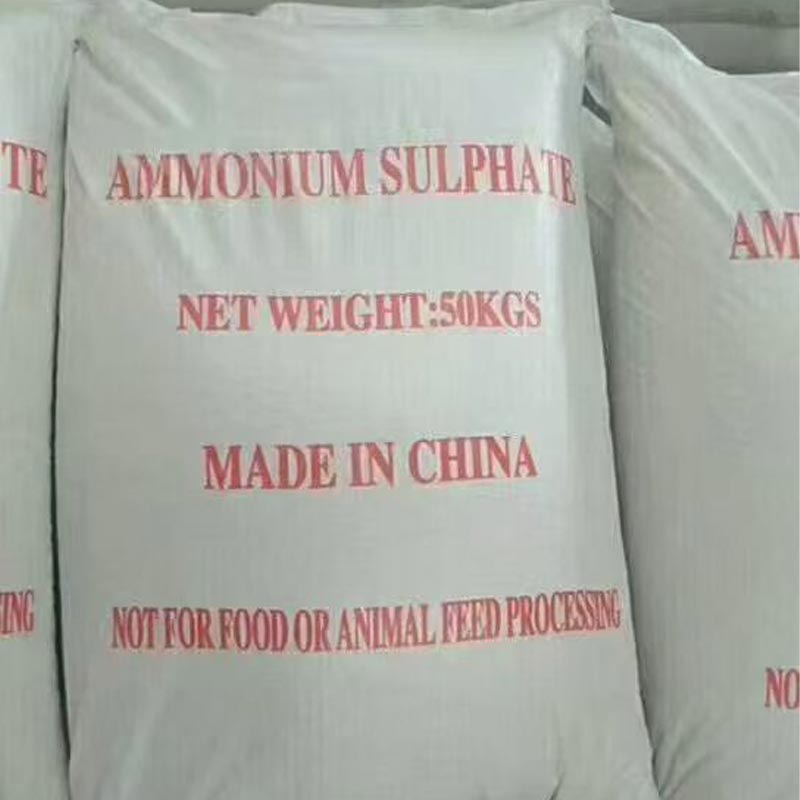
First, ammonium nitrogen fertilizers such as urea, ammonium sulphate and ammonium chloride have good stability when mixed with magnesium sulphate, suitable for top-dressing of field crops by broadcasting or drenching.
Second, potassium fertilizers including potassium sulphate and potassium nitrate can blend with magnesium sulphate. Many fruit and vegetable growers combine magnesium sulphate with potassium sulphate to supply magnesium and potassium during fruit expansion period.
Third, chelated trace element fertilizers and sulphate-form trace elements such as zinc sulphate and manganese sulphate can dissolve together with magnesium sulphate for foliar spray or fertigation.
Fourth, humic acid and amino-acid-based water-soluble fertilizers mixed with magnesium sulphate can improve soil adsorption of magnesium ions, raise the utilization rate of magnesium sulphate and reduce magnesium fixation in soil.
Tip: Even for compatible fertilizers, it is recommended to carry out small-scale mixing test under high-concentration conditions. Rongda technical staff suggests growers confirm the test result before large-area application.
3. Fertilizers Strictly Forbidden to Mix Directly With Magnesium Sulphate
Mixing these fertilizers with magnesium sulphate will produce sediment, waste nutrients of magnesium sulphate and easily block drippers and filters, which is a common mistake in fertigation.
1. Calcium-containing fertilizers such as calcium ammonium nitrate and calcium nitrate: Calcium ions will react with sulphate radicals from magnesium sulphate to form calcium sulphate precipitate. They must be applied in separate time periods and never mixed in the same fertilizer tank.

2. Strong alkaline materials like lime and plant ash: Alkaline conditions will change the dissolving state of magnesium sulphate and lower magnesium availability. Do not blend magnesium sulphate directly with alkaline soil conditioners; keep an interval of 7-10 days for separate application.

3. High-concentration raw phosphate fertilizer solution: High-concentration phosphate radicals will combine with magnesium ions to form insoluble substances and weaken the effect of magnesium sulphate. Rongda reminds growers, if phosphorus and magnesium supplements are required at the same time, do not mix them in mother-liquid tank. Dissolve them respectively and dilute in main pipeline before entering farmland.
4. Practical Notes for Drenching and Drip Irrigation With Magnesium Sulphate
When using magnesium sulphate for drip fertigation, make sure magnesium sulphate is fully dissolved without residual particles before adding other compatible fertilizers. Soft water is preferred for dissolving magnesium sulphate. Groundwater with high hardness contains abundant calcium, which may cause turbidity and precipitation when dissolving magnesium sulphate directly. For fertilizer solution preparation, add water first, then put in magnesium sulphate. Stir until magnesium sulphate dissolves completely, then add other fertilizers in sequence. Do not pour all fertilizers into water at one time. Excessive local concentration may trigger chemical reactions even among compatible fertilizers. In low-temperature greenhouses with weak soil activity, excessive one-time dosage of magnesium sulphate may raise soil salinity. Adopt small-dose and multiple-frequency application of magnesium sulphate to avoid salt accumulation and root damage. Based on plenty of greenhouse demonstration cases, Rongda does not recommend applying large-dose magnesium sulphate in low-temperature environment.
5. Application Taboos of Magnesium Sulphate for Different Crops
Most grain crops, fruit trees and leafy vegetables can use magnesium sulphate reasonably, while dosage control is required for certain crops. Chlorine-sensitive crops can normally adopt magnesium sulphate without chlorine risk. For salt-sensitive crops such as strawberry and blueberry, avoid heavy one-time broadcasting of magnesium sulphate, or rising soil osmotic pressure will harm root systems. If soil in saline-alkali land already contains relatively high magnesium ions, do not apply magnesium sulphate heavily year after year without planning. Test soil first and apply magnesium sulphate in small quantity only when magnesium deficiency is confirmed. High-concentration foliar spraying of magnesium sulphate is not suggested during fruit tree blooming period to prevent pollination interference. Rongda agronomic service suggests testing soil status before deciding dosage of magnesium sulphate in saline-alkali soil.
6. Simple Mixing Test Method for Magnesium Sulphate
Limited by field conditions, farmers can perform simple tank-mix test if uncertain whether certain fertilizer can match magnesium sulphate. Prepare clean water, dissolve magnesium sulphate and the fertilizer to be tested according to practical proportion and stand for 15-30 minutes. Turbid liquid, flocculent substance or sediment at tank bottom means the two cannot be mixed. Large-scale application is allowed only when the solution keeps clear without precipitation. Rongda agronomists often promote this practical method for growers, which can avoid most losses caused by improper mixing of magnesium sulphate.
7. Conclusion
Magnesium sulphate is a cost-effective medium-element fertilizer. Its performance depends not only on the quality of magnesium sulphate itself, but also on scientific mixing and proper application. Distinguish fertilizers that can be matched with magnesium sulphate and those that must be applied separately, avoid mixing mistakes, so as to maximize the value of magnesium sulphate for magnesium and sulphur supplement and achieve better crop quality and higher yield. As an agricultural fertilizer manufacturer, Rongda will keep publishing practical technical articles to guide scientific fertilization for growers.
Related News
- How Do Controlled-Release Curves Match Crop Demand?
- Can Magnesium Sulfate Be Used in Saline-Alkali Soil? What Are the Risks of Long-Term Application?
- How Do You Turn a Soil Test into a Blend Sheet?
- How Does Applying Magnesium Sulfate After Grape Harvest Help Bud Burst in the Next Year?
- Which Magnesium Sulfate Fits Your Ground?
- Can Foliar Spraying Magnesium Sulfate During Fruit Expansion Improve Fruit Sweetness?
Leave me a message