
What Is Crystalled Ammonium Chloride and Why Is It Essential for Modern Agriculture and Industry
Crystalled Ammonium Chloride is an important nitrogen-based chemical widely used in agriculture, industry, metallurgy, batteries, and pharmaceuticals. Due to its high purity, excellent solubility, and stable chemical properties, it has become a valuable component in fertilizers, metal processing, and chemical manufacturing. This comprehensive guide explains what crystalled ammonium chloride is, how it is produced, its key properties, industrial and agricultural applications, and why global suppliers such as RONGDA are playing a crucial role in supplying high-quality ammonium chloride products to international markets.
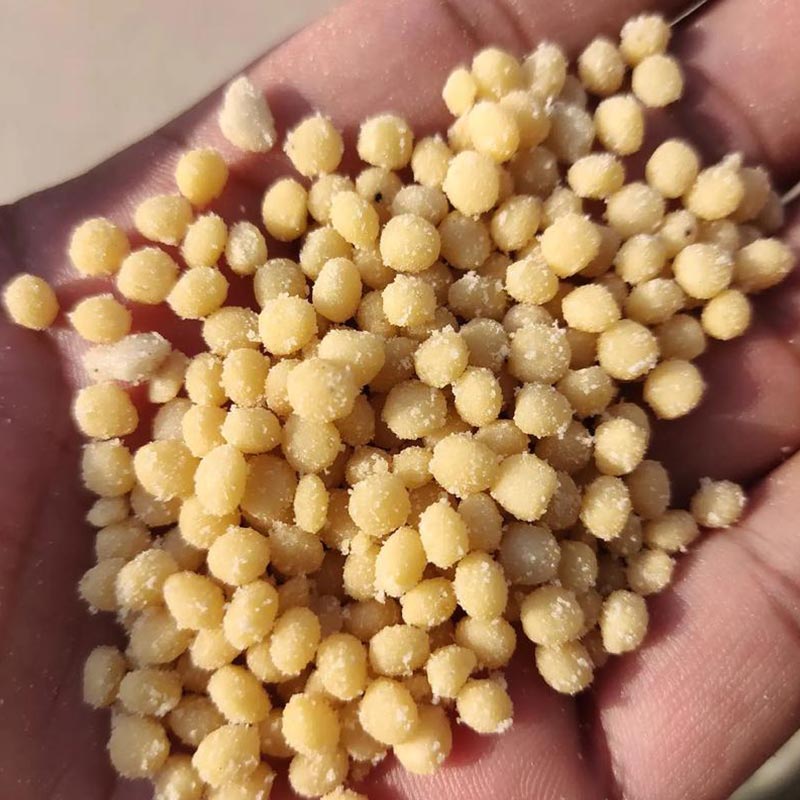
Table of Contents
- What Is Crystalled Ammonium Chloride?
- What Are the Chemical Properties of Crystalled Ammonium Chloride?
- How Is Crystalled Ammonium Chloride Manufactured?
- Why Is Crystalled Ammonium Chloride Important for Agriculture?
- What Are the Industrial Applications of Crystalled Ammonium Chloride?
- How Does Crystalled Ammonium Chloride Compare With Other Nitrogen Fertilizers?
- How to Choose High-Quality Crystalled Ammonium Chloride?
- Storage, Handling, and Safety Guidelines
- Global Market Trends and Demand
- Frequently Asked Questions
What Is Crystalled Ammonium Chloride?
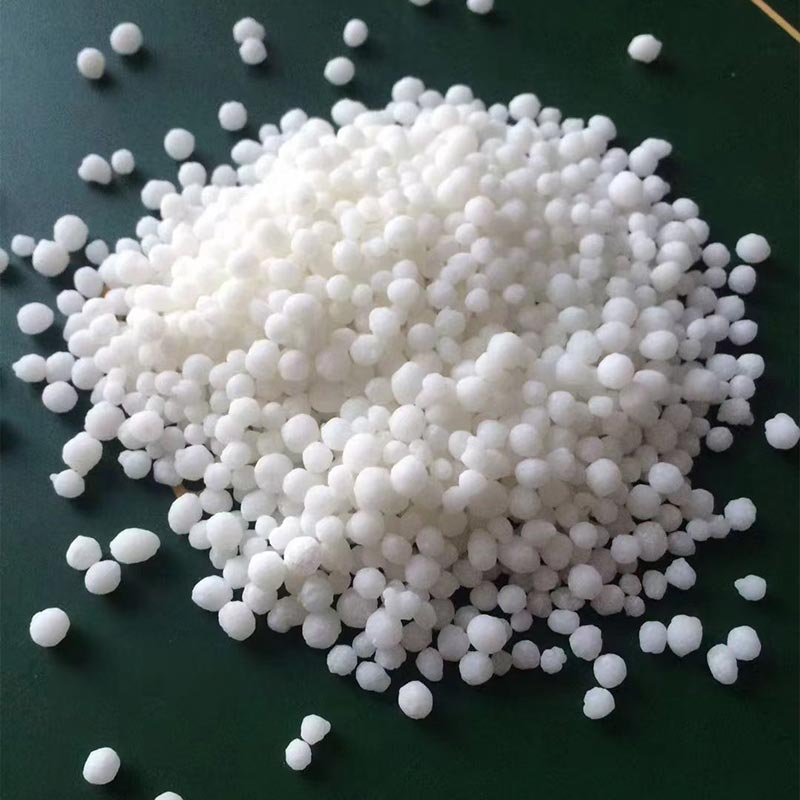
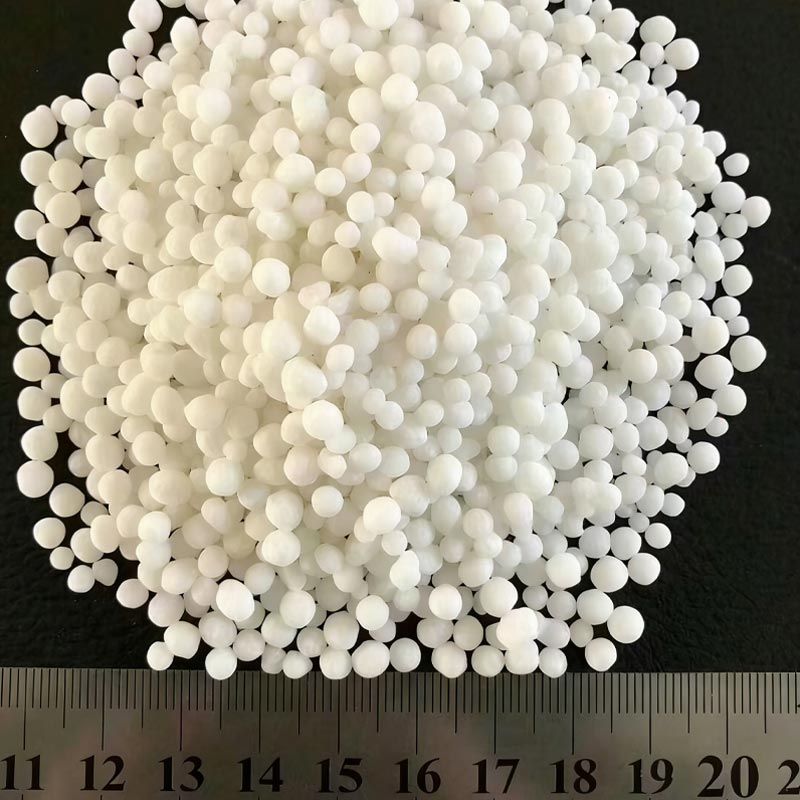
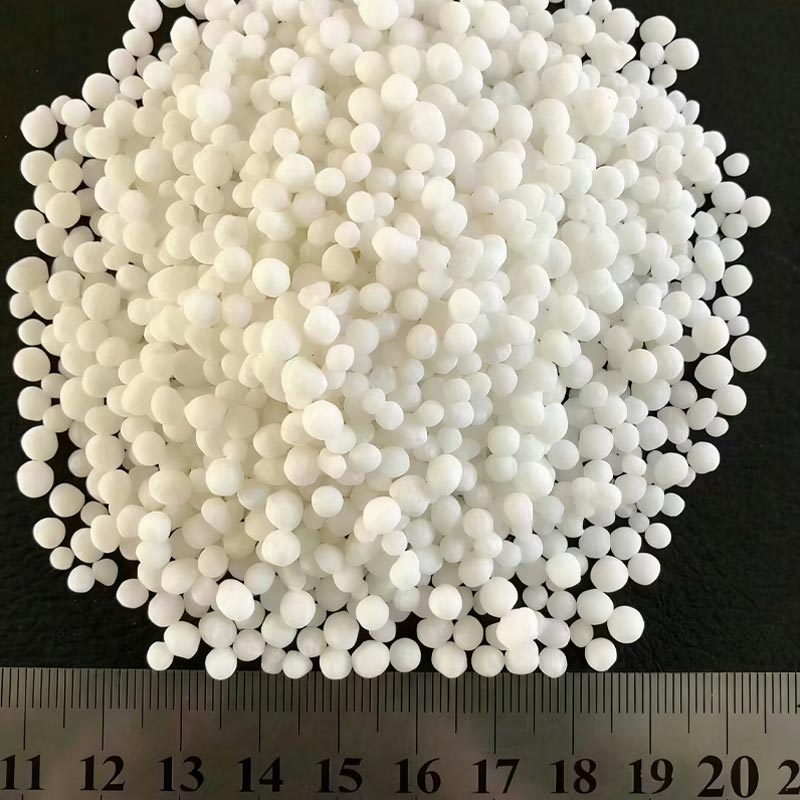
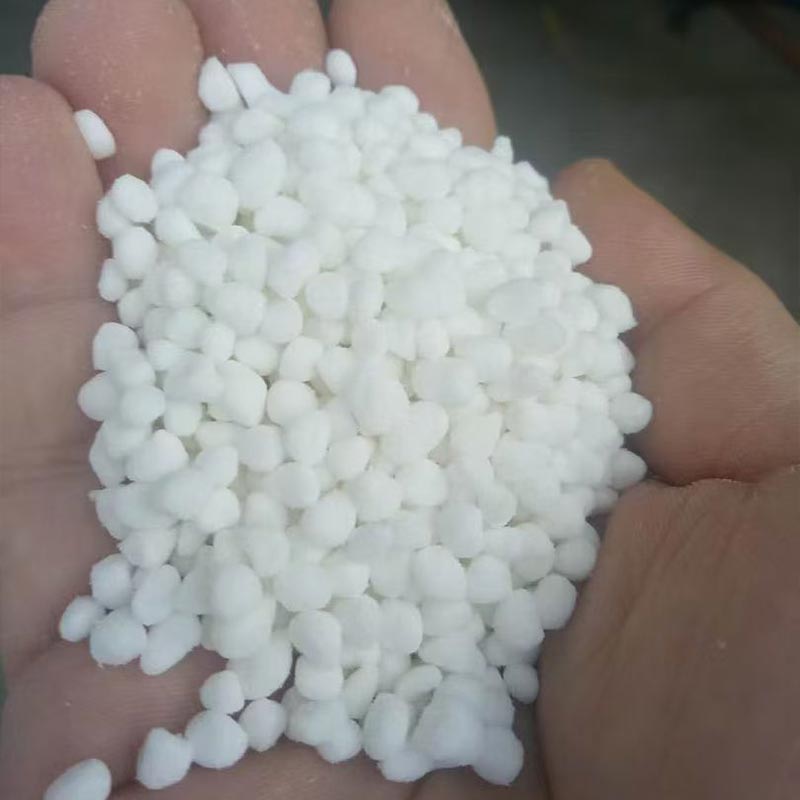
Crystalled Ammonium Chloride is a white crystalline inorganic salt with the chemical formula NH4Cl. It is produced through chemical reactions between ammonia and hydrochloric acid or as a by-product in soda ash manufacturing. Due to its crystal structure and high solubility in water, it is widely used in agriculture as a nitrogen fertilizer and in multiple industrial applications.
Unlike powdered ammonium chloride, the crystalled form features a uniform particle structure, making it easier to transport, store, and apply in agricultural systems. It dissolves rapidly in water, allowing crops to quickly absorb nitrogen nutrients.
Main Characteristics
- White crystalline solid
- Highly soluble in water
- Contains approximately 25% nitrogen
- Stable under normal conditions
- Low production cost compared with other nitrogen fertilizers
What Are the Chemical Properties of Crystalled Ammonium Chloride?
Understanding the chemical properties of crystalled ammonium chloride is important for both agricultural and industrial applications.
| Property | Description |
|---|---|
| Chemical Formula | NH4Cl |
| Molecular Weight | 53.49 g/mol |
| Appearance | White crystalline powder or granules |
| Solubility | Highly soluble in water |
| pH Value | Weakly acidic |
| Decomposition Temperature | Approximately 338°C |
These properties make it particularly effective in soil environments that require rapid nitrogen absorption.
How Is Crystalled Ammonium Chloride Manufactured?
The manufacturing process of crystalled ammonium chloride involves several controlled chemical reactions and purification steps.
Main Production Methods
- Ammonia Neutralization Method
- Solvay Process By-Product Recovery
- Industrial Chemical Synthesis
Typical Production Process
- Ammonia gas reacts with hydrochloric acid
- Ammonium chloride solution forms
- The solution is purified
- Crystallization occurs through cooling
- Crystals are separated and dried
- Final packaging and quality inspection
Professional chemical manufacturers such as RONGDA employ advanced crystallization technology to ensure uniform particle size, high purity, and stable product quality.
Why Is Crystalled Ammonium Chloride Important for Agriculture?
Agriculture remains one of the most important applications of crystalled ammonium chloride. As a nitrogen fertilizer, it helps crops grow stronger by supplying an essential nutrient required for plant development.
Benefits for Crops
- Provides a quick source of nitrogen
- Enhances chlorophyll production
- Promotes leaf and stem growth
- Improves crop yield
- Cost-effective fertilizer option
Suitable Crops
| Crop Type | Effect |
|---|---|
| Rice | Promotes faster growth and stronger stems |
| Wheat | Improves nitrogen uptake |
| Corn | Supports leaf development |
| Cotton | Enhances fiber quality |
However, it is important to avoid overuse in soils sensitive to chloride, such as tobacco or potato fields.
What Are the Industrial Applications of Crystalled Ammonium Chloride?
Beyond agriculture, crystalled ammonium chloride is widely used in various industries due to its chemical stability and versatile properties.
Major Industrial Uses
- Metal surface treatment
- Dry battery manufacturing
- Textile dyeing and printing
- Pharmaceutical production
- Electroplating
- Food processing additives
Industrial Application Overview
| Industry | Application |
|---|---|
| Metallurgy | Flux in metal galvanizing |
| Batteries | Electrolyte component |
| Textiles | Dyeing assistant |
| Medicine | Expectorant ingredient |
| Chemicals | Intermediate for chemical synthesis |
How Does Crystalled Ammonium Chloride Compare With Other Nitrogen Fertilizers?
Farmers often compare ammonium chloride with other nitrogen fertilizers such as urea, ammonium sulfate, and ammonium nitrate.
| Fertilizer | Nitrogen Content | Advantages | Limitations |
|---|---|---|---|
| Crystalled Ammonium Chloride | ~25% | Low cost, fast absorption | Contains chloride |
| Urea | 46% | High nitrogen content | May volatilize |
| Ammonium Sulfate | 21% | Provides sulfur | Lower nitrogen percentage |
| Ammonium Nitrate | 33% | Rapid nutrient release | Storage regulations |
Because of its affordability and reliability, crystalled ammonium chloride remains a widely used nitrogen fertilizer worldwide.
How to Choose High-Quality Crystalled Ammonium Chloride?
Selecting high-quality ammonium chloride is essential for ensuring optimal performance in agriculture and industry.
Key Quality Indicators
- High nitrogen content
- Low impurity levels
- Uniform crystal size
- Excellent water solubility
- Reliable packaging and logistics
Supplier Evaluation Checklist
| Criteria | Importance |
|---|---|
| Production capacity | Ensures stable supply |
| Quality certification | Guarantees product standards |
| Export experience | Reliable global distribution |
| Technical support | Helps customers apply the product effectively |
Trusted chemical manufacturers like RONGDA focus on strict quality control, advanced production technology, and global distribution capabilities.
Storage, Handling, and Safety Guidelines
Although ammonium chloride is generally safe when handled properly, appropriate storage and safety procedures should always be followed.
Storage Recommendations
- Store in a cool, dry warehouse
- Avoid exposure to moisture
- Keep away from strong bases
- Use sealed packaging
Handling Tips
- Wear protective gloves
- Avoid inhalation of dust
- Use proper ventilation in industrial environments
Global Market Trends and Demand
The global demand for ammonium chloride continues to increase due to rising agricultural productivity requirements and expanding industrial uses.
Key Market Drivers
- Growing global food demand
- Expansion of fertilizer markets
- Increasing industrial chemical production
- Growing demand for battery manufacturing
Asia-Pacific remains the largest production and consumption region due to its strong agricultural sector and large-scale chemical manufacturing base.
Frequently Asked Questions
What is crystalled ammonium chloride mainly used for?
It is mainly used as a nitrogen fertilizer in agriculture and as a chemical intermediate in various industrial processes.
Is ammonium chloride safe for crops?
Yes, when applied at recommended levels it provides essential nitrogen nutrients for many crops such as rice, wheat, and corn.
How soluble is crystalled ammonium chloride?
It is highly soluble in water, which allows plants to quickly absorb nitrogen nutrients.
Can ammonium chloride be used in industrial manufacturing?
Yes, it is widely used in metal processing, batteries, textiles, pharmaceuticals, and chemical synthesis.
How should ammonium chloride be stored?
It should be stored in a dry and well-ventilated area to prevent moisture absorption and maintain product quality.
Conclusion
Crystalled Ammonium Chloride remains one of the most versatile and cost-effective nitrogen compounds used in agriculture and industry. With excellent solubility, stable chemical properties, and wide application potential, it continues to support global food production and industrial development.
As demand grows, reliable manufacturers such as RONGDA are committed to delivering high-quality ammonium chloride products that meet international standards while supporting sustainable agricultural and industrial solutions worldwide.
If you are looking for professional ammonium chloride suppliers, customized chemical solutions, or bulk fertilizer supply, contact us today to learn more about our products and services.
Related News
- Which Magnesium Sulfate Fits Your Ground?
- Can Foliar Spraying Magnesium Sulfate During Fruit Expansion Improve Fruit Sweetness?
- How Do You Judge a Blended Fertilizer Before You Buy It?
- Magnesium Deficiency & Premature Aging in Greenhouse Vegetables: Soil Drench vs Foliar Spray of Magnesium Sulfate
- Which Water-Soluble NPK Formula Fits Each Growth Stage?
- What is the difference between Magnesium Sulfate and Calcium Magnesium Granules? When to Use Them Together?
Leave me a message