
Is Calcium Ammonium Nitrate a Safer Nitrogen for Stressed Soils?
Not every field wants plain urea. Where soils are acidic, compacted or prone to leaching losses, calcium ammonium nitrate delivers nitrogen in a balanced, immediately available form while adding calcium to the root zone. This article explains how CAN works, which fields benefit most, and how to decide between CAN and urea.

If you are looking for a reliable fertilizer supplier that offers consistent quality and professional support, Tianjin Rongda Fertilizer Co., Ltd. is ready to help. Contact us today to learn how our fertilizer solutions can improve your agricultural productivity.
Contents
- What Is Calcium Ammonium Nitrate, and How Is It Different?
- Where CAN Outperforms Urea
- Handling, Safety and Application Notes
- CAN vs. Urea: A Decision Shortlist
- Frequently Asked Questions
- Conclusion
What Is Calcium Ammonium Nitrate, and How Is It Different?
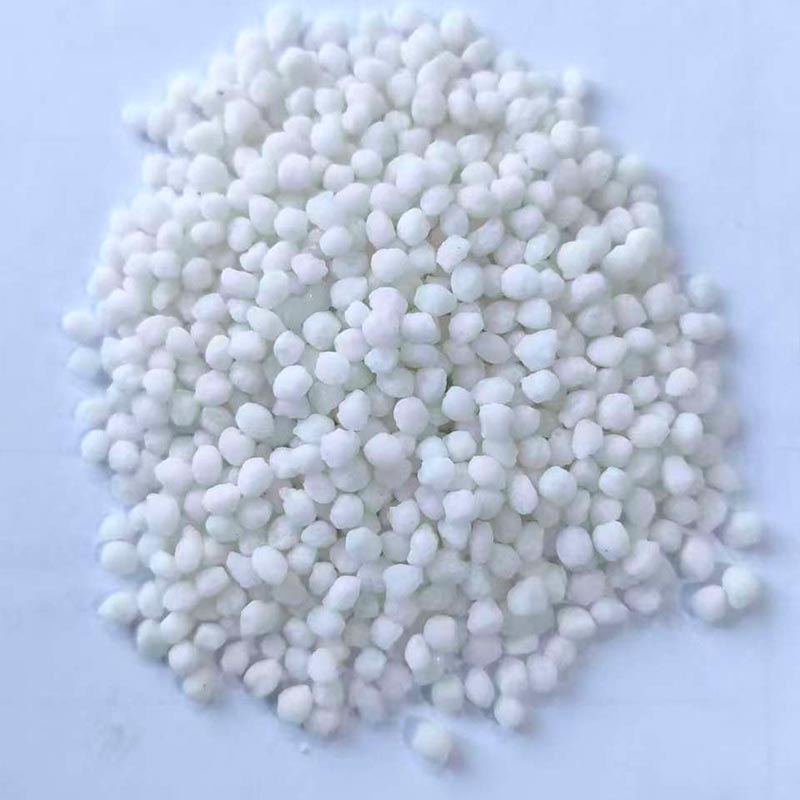
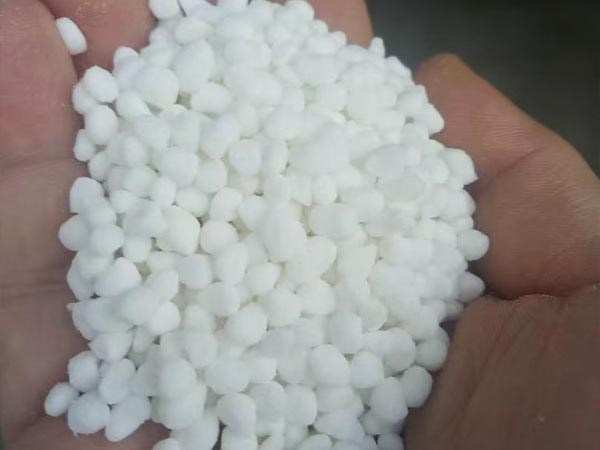
Calcium ammonium nitrate is a granular nitrogen fertilizer - typically around 26% total nitrogen - made from ammonium nitrate and calcium carbonate (dolomite). The result is a hybrid: half of its nitrogen is quick nitrate-N, and half is ammonium-N, embedded in a calcium carbonate carrier that buffers soil acidity.
That composition gives CAN a distinctive profile. Nitrate nitrogen is available to the crop from day one, even in cold, wet soils where urea conversion stalls. Ammonium provides the slower, steadier half. And the calcium carbonate content means that instead of acidifying the soil like ammonium sulfate or urea, CAN leans neutral to slightly improving.
● 26% N with roughly half nitrate, half ammonium - fast start, steady follow-through.
● Calcium carbonate carrier: no acidification, valuable on pH-sensitive rotations.
● Calcium supply supports cell-wall strength and fruit firmness alongside nitrogen nutrition.
Where CAN Outperforms Urea
Urea remains the cheapest nitrogen per unit, but its weaknesses line up exactly with CAN's strengths. Urea must convert to ammonium and then nitrate before the crop can use it; cold or alkaline conditions slow that chain and volatilization losses begin. CAN skips the queue.
● Cold-season and early-spring applications: nitrate-N is taken up directly, no soil-conversion delay.
● Surface application without incorporation: CAN loses far less nitrogen to ammonia volatilization than surface-spread urea.
● Acidifying soils: continuous urea use lowers pH; CAN holds it steady and adds calcium.
● Fruits and vegetables: the calcium component supports firmness and storage quality where straight nitrogen cannot.
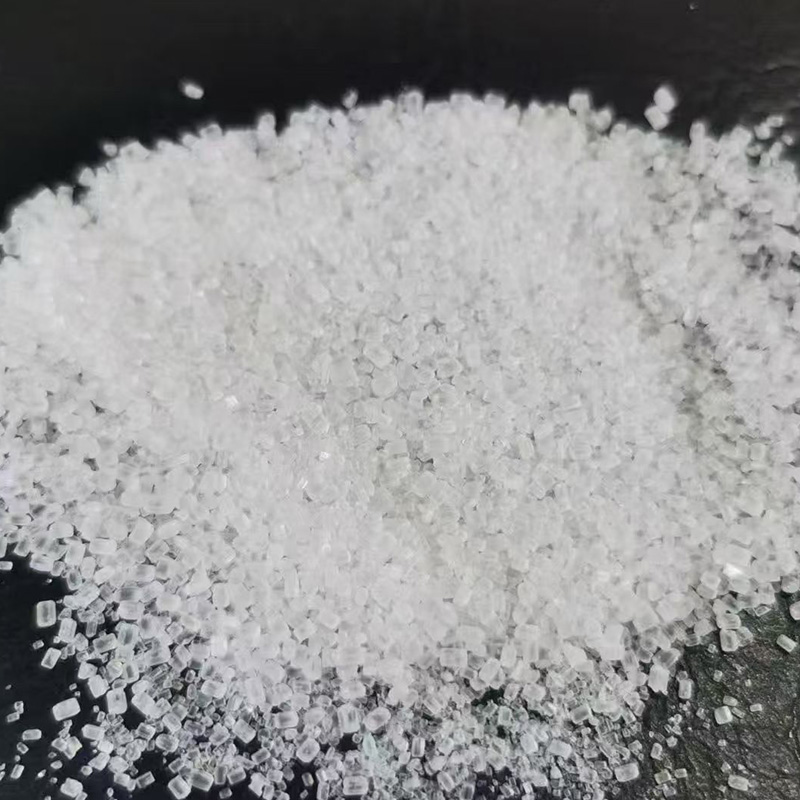
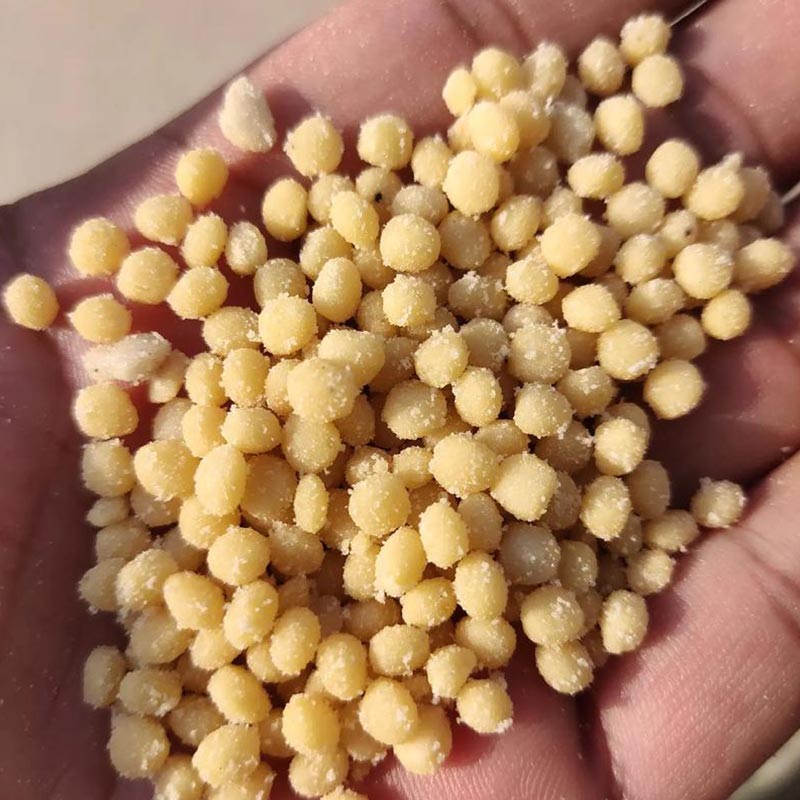
A practical reference product is calcium ammonium nitrate fertilizer in granular form, packed in 25/50 kg bags or jumbo bags for export markets.
Handling, Safety and Application Notes
CAN is one of the safest nitrogen materials to handle. It is far less prone to caking than ammonium nitrate, resists detonation, and stores well in dry conditions. These properties make it a standard choice where regulation restricts straight ammonium nitrate.
Apply it like any granular nitrogen fertilizer: broadcast and lightly incorporate for field crops, or band at a distance from the seed for precise placement. Because half of its nitrogen is nitrate, avoid applying to flooded fields where nitrate can denitrify or leach.
CAN vs. Urea: A Decision Shortlist
Choose CAN when soil pH is falling, when applications are surface-applied, when the season is cold, or when the crop values calcium. Stay with urea when cost per unit of N is the single deciding factor and conditions favor its conversion. Many programs simply split the difference, using CAN in early season and urea in warm soil.
Frequently Asked Questions
Q1: Is calcium ammonium nitrate the same as ammonium nitrate?
No. CAN is a safer blend of ammonium nitrate with calcium carbonate, typically around 26% N. It carries none of the explosive-handling restrictions of pure ammonium nitrate, which is why it has replaced straight AN in most agricultural markets.
Q2: Does CAN work for top dressing rice?
It can, but note that flooded paddies can lose nitrate-N through denitrification. For rice, ammonium-based sources such as ammonium sulfate or ammonium chloride are usually more efficient; CAN shines in upland crops, orchards and vegetables.
Q3: How should CAN be stored?
Keep it dry and covered. Although it is mechanically robust, like all nitrate-containing products it should be stored away from organic material, fuels and strong acids. Sealed woven bags or jumbo bags on pallets are standard for export.
Q4: What crops respond best to CAN?
Wheat, maize and pastures in cold starts; fruit trees and vegetables that value the calcium component; and any rotation on acidifying soils where its neutral reaction protects long-term pH.
Conclusion
Calcium ammonium nitrate occupies a sweet spot in the nitrogen toolbox: fast availability without urea's conversion delay and volatilization losses, a neutral-to-buffering effect on soil pH, and a built-in calcium bonus. For stressed soils and high-value crops, it often pays for its price premium within the same season.
If you are looking for a reliable fertilizer supplier that offers consistent quality and professional support, Tianjin Rongda Fertilizer Co., Ltd. is ready to help. Contact us today to learn how our fertilizer solutions can improve your agricultural productivity.
Related News
- How Do Water-Soluble Fertilizers Feed Drip-Irrigated Crops?
- What Can Calcium Magnesium Granules Do for Degraded and Acid Soils?
- What Are the Top 10 Signs of Magnesium Deficiency in Crops?
- Why Do Modern Crops Need More Sulfur Than NPK Provides?
- How to Apply Magnesium Sulfate to Orchards, Vegetables & Field Crops?
- Why Is Magnesium Sulfate the Fourth Major Nutrient for High Yields?
Leave me a message