
Why Is Urea Still the World's Default Nitrogen?
Urea carries 46% nitrogen in a bag - the highest analysis of any dry nitrogen fertilizer - and ships, stores and blends more cheaply than anything else in its class. It is also the nitrogen source most capable of quietly leaking money back into the air. This article explains why urea dominates, where the nitrogen actually goes, and how disciplined handling keeps all of it.
In this article
- What Urea Is
- How Urea Feeds the Crop
- The Honest Limits
- Buying and Handling Basics
- Frequently Asked Questions
- Conclusion
What Urea Is
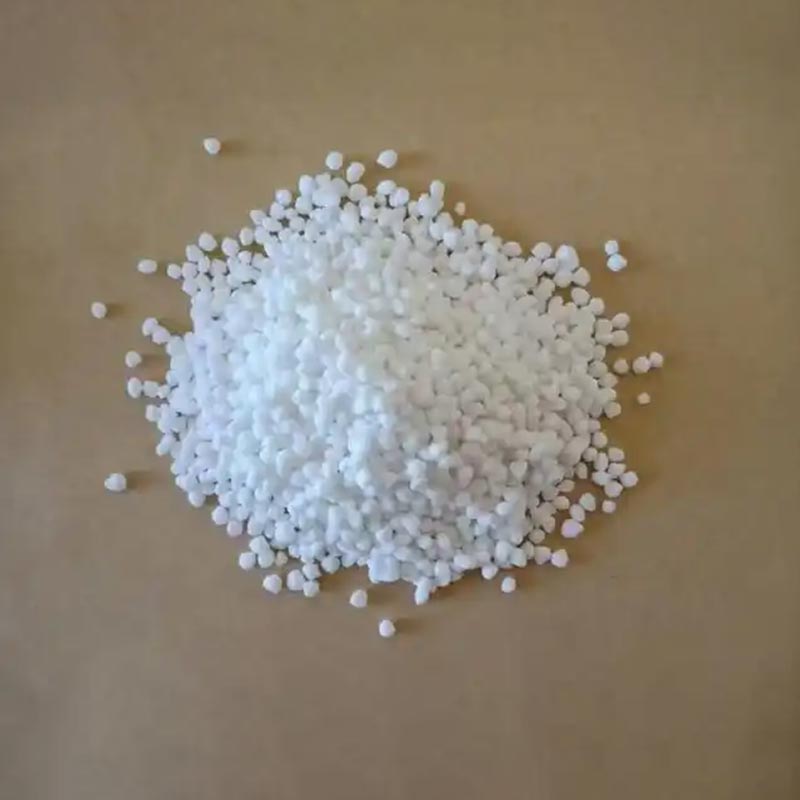
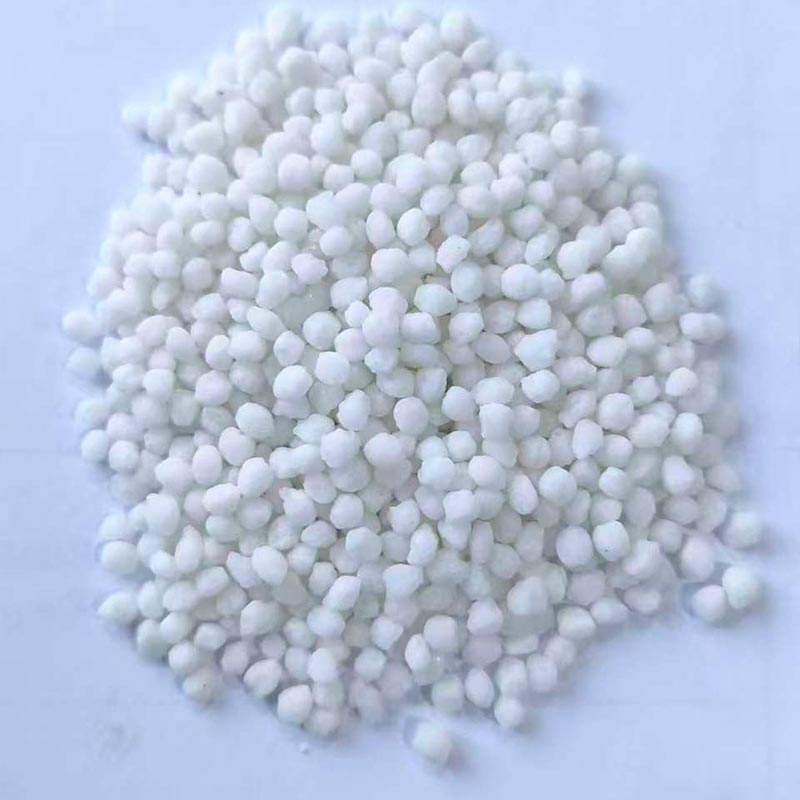
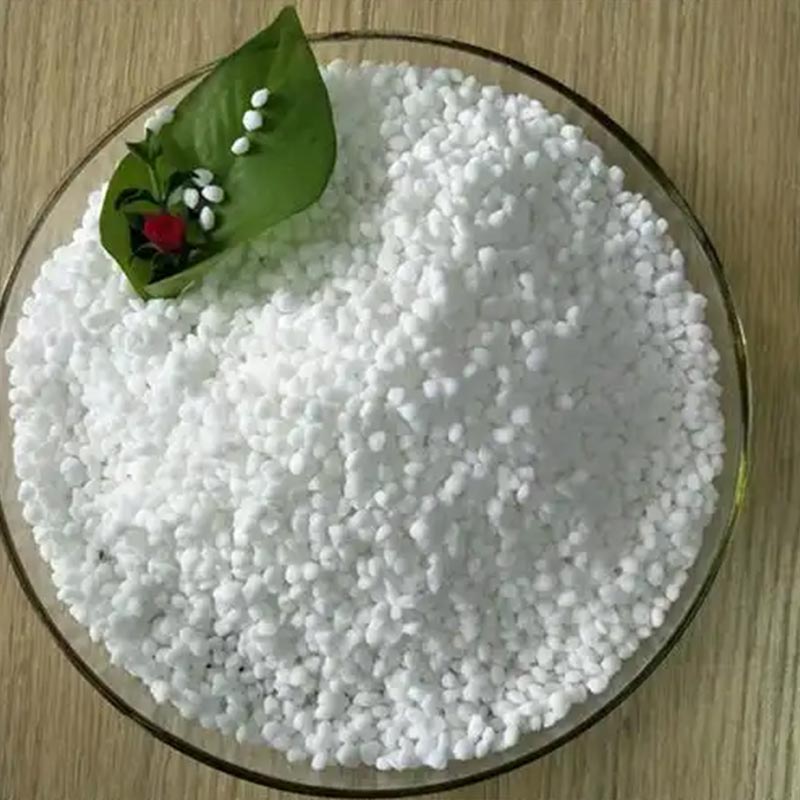
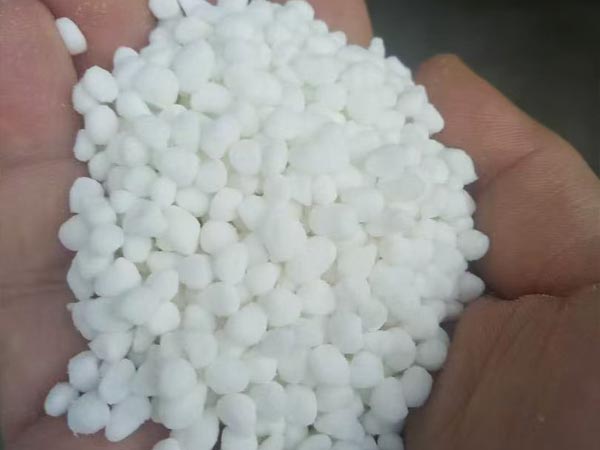
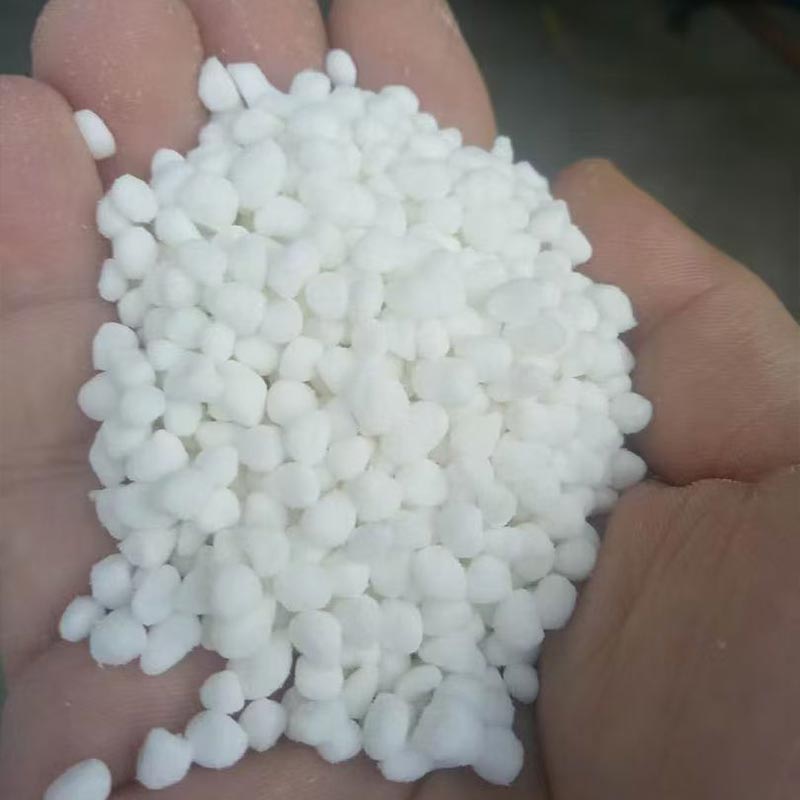
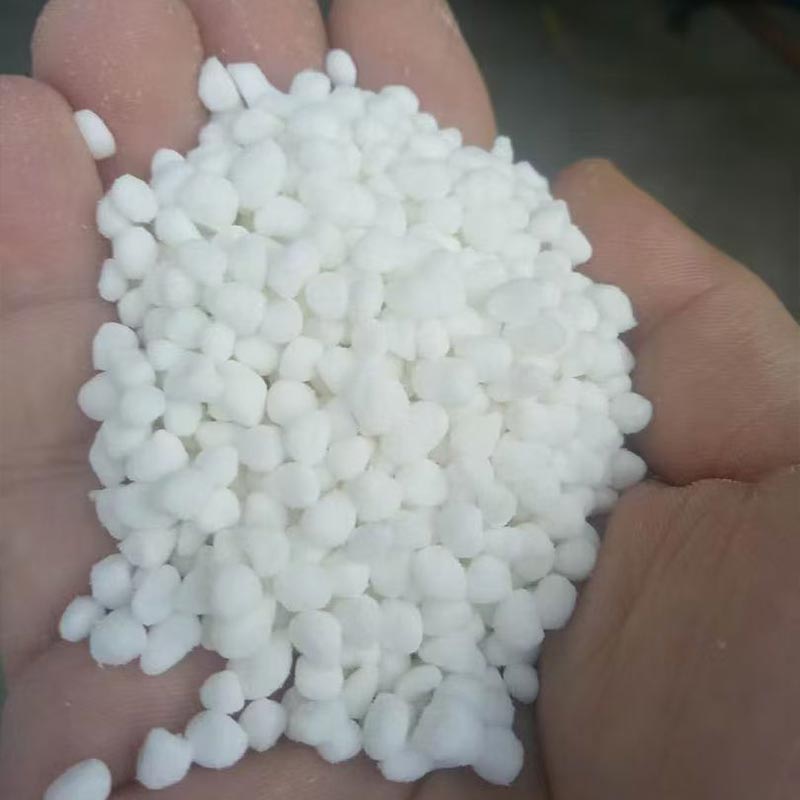
Urea is CO(NH2)2 - a white prilled or granular fertilizer carrying 46% nitrogen in amide form, synthesized from ammonia and carbon dioxide. It is the most traded fertilizer on earth, and its economics explain everything: no other dry source moves that much nitrogen per bag at that cost. A reference product is prilled urea fertilizer 46%, supplied in woven bags or jumbo bags.
One specification separates buyers more than any other: biuret, a manufacturing by-product. Soil programs tolerate the standard ceiling comfortably; foliar users need grades well under it, because biuret scorchs leaves long before it bothers roots.
How Urea Feeds the Crop
Roots do not take urea up in quantity - the soil does the conversion. The urease enzyme hydrolyzes urea into ammonium carbonate within days on warm, moist soil, and the ammonium then resolves into the nitrate plants use. The conversion takes two to four days in warm conditions, slower when cold. That intermediate ammonium spike is precisely why timing and placement decide everything: urea sitting on a warm, wet, residue-covered surface loses a share of its nitrogen as ammonia gas, while urea worked into the soil or washed in by rain keeps it.
This is the same chemistry that makes ammonium sources shine in paddies - nitrogen held where water cannot carry it away is nitrogen the crop actually receives.
|
Situation |
Standard practice |
What it protects |
|
Broadcast before tillage |
Incorporate within hours |
Ammonia loss to the air |
|
Topdress on a standing crop |
Apply ahead of rain, or irrigate in |
Surface volatilization |
|
Warm fields, no rain forecast |
NBPT-treated urea |
The hydrolysis window |
|
Drip programs |
Dissolved and injected in small doses |
Uniform delivery, low loss |
|
Foliar feeding |
Low-biuret urea, diluted |
Leaf scorch from biuret |
The Honest Limits
Volatilization is the big one: the combination of warm soil, moisture, heavy residue, no incorporation and no inhibitor can walk a meaningful share of surface nitrogen into the atmosphere. Biuret is the quiet one - harmless in soil at normal levels, phytotoxic to seedlings and foliage at concentration, which is why foliar programs specify low-biuret grades. After conversion, nitrate moves with water in wet systems - the same leaching logic that governs every nitrate source. And like ammonium-forming sources generally, urea kept too close to seed can injure germination; the standard distance applies. Finally, urea is hygroscopic: humid warehouses cake it into lumps that spreaders throw unevenly.
Buying and Handling Basics
Specification check: N at 46% minimum, biuret at or below 1.0% (well under for foliar grades), low moisture, prill or granule size matched to the spreader.
Warm-season surface work without rain in the forecast: buy NBPT-treated urea - the urease inhibitor holds the window open until water arrives.
Blending: pairs cleanly with DAP, MOP or SOP, and ammonium sulfate; avoid long storage alongside calcium nitrate or ammonium nitrate in humid sheds.
Packing: 25/50 kg woven bags or 500/1000 kg jumbo bags - and keep them dry, because caked urea spreads in stripes.
Frequently Asked Questions
Q1: Is prilled urea different from granular urea?
Same chemistry, different physical form. Granular urea is larger and harder, so it handles wide mechanical spreading and BB blending better; prilled is the classic small prill. Choose by spreader width and blending program, not by purity - the analysis is identical.
Q2: Why does applied urea sometimes seem to disappear?
It hydrolyzes to ammonium, and on a warm, moist surface without incorporation part of that nitrogen escapes as ammonia gas. Rain-in, incorporation or a urease inhibitor such as NBPT closes the window.
Q3: Can urea run through a drip system?
Yes - it is fully water-soluble and forms the nitrogen backbone of many fertigation programs. Inject in small regular doses; the solution runs clean through filters with no residue.
Q4: What is biuret, and why do foliar users care about it?
A by-product of urea manufacturing. In soil at normal levels it is harmless, but at concentration it is toxic to leaves and seedlings - so foliar programs specify low-biuret urea well under the standard soil ceiling.
Conclusion
Urea's dominance is arithmetic: 46 units of nitrogen in the cheapest bag on the market. The tax it charges is attention - a few days of hydrolysis during which surface nitrogen can walk off as ammonia. Incorporate it, time applications to moisture, or buy the window with NBPT, and urea remains the most efficient nitrogen money can buy.
If you are looking for a reliable fertilizer supplier that offers consistent quality and professional support, Tianjin Rongda Fertilizer Co., Ltd. is ready to help. Contact us today to learn how our fertilizer solutions can improve your agricultural productivity.
Related News
- Which Magnesium Sulfate Fits Your Ground?
- Can Foliar Spraying Magnesium Sulfate During Fruit Expansion Improve Fruit Sweetness?
- How Do You Judge a Blended Fertilizer Before You Buy It?
- Magnesium Deficiency & Premature Aging in Greenhouse Vegetables: Soil Drench vs Foliar Spray of Magnesium Sulfate
- Which Water-Soluble NPK Formula Fits Each Growth Stage?
- What is the difference between Magnesium Sulfate and Calcium Magnesium Granules? When to Use Them Together?
Leave me a message