
What should be noted when using ammonium sulfate as a base fertilizer or as a top dressing?
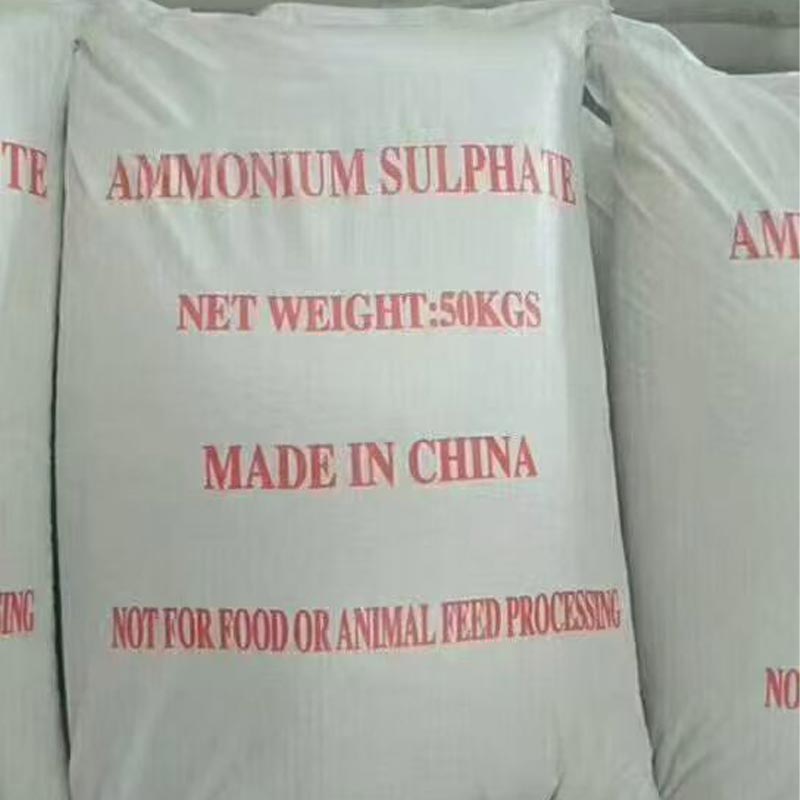
Ammonium sulfate is a fast-acting nitrogen fertilizer containing 20%-21% nitrogen and approximately 24% sulfur, offering the dual benefits of nitrogen and sulfur supplementation. It is widely used in various crop cultivation. The scientific application of ammonium sulfate as a base fertilizer and top dressing directly affects nutrient utilization and crop growth. Mastering key points is crucial to maximizing its value.
When using ammonium sulfate as a base fertilizer, the key is deep application to retain nutrients and suitability to the soil. Base fertilizer should be applied in conjunction with deep tillage, at a depth of 10-15 cm. Cover with soil promptly after application to prevent nitrogen volatilization and ensure nutrients reach the crop root zone. It is preferred for alkaline and calcareous soils, as it can adjust soil pH and alleviate compaction. For acidic soils, the dosage should be controlled, and if necessary, it should be combined with organic fertilizer or lime for neutralization. The application of these two should be spaced 3-5 days apart and should not be mixed. The dosage of base fertilizer should be determined based on soil fertility and crop needs, generally 15-25 kg per acre, avoiding excessive application that could lead to soil acidification.

The key to using ammonium sulfate as a top dressing is timely, appropriate dosage, and application according to needs. Top dressing should be applied during the critical nitrogen-demanding stages of crops, such as the greening stage of wheat, the tasseling stage of corn, and the fruit-expanding stage of fruit trees. It has a rapid effect and is easily absorbed by crops. In dryland areas, watering should be done promptly after top dressing to promote nutrient dissolution; in paddy fields, the water should be drained first, followed by tilling and harrowing to avoid sulfate ion reduction and damage to crop roots. Sandy soils with poor water and fertilizer retention should be applied in multiple applications, with each application being relatively small; in clay soils, the amount applied per application can be increased appropriately, while the number of applications can be reduced.
Furthermore, neither base fertilizer nor top dressing should be mixed with alkaline fertilizers to prevent nitrogen volatilization and reduced fertilizer efficiency. Long-term application requires regular monitoring of soil pH to prevent excessive soil acidification and compaction; it can be combined with organic fertilizers to improve soil structure. Scientific application of ammonium sulfate can supplement the nitrogen and sulfur nutrients needed by crops and improve the quality of agricultural products, making it suitable for various crops such as wheat, corn, and rapeseed.
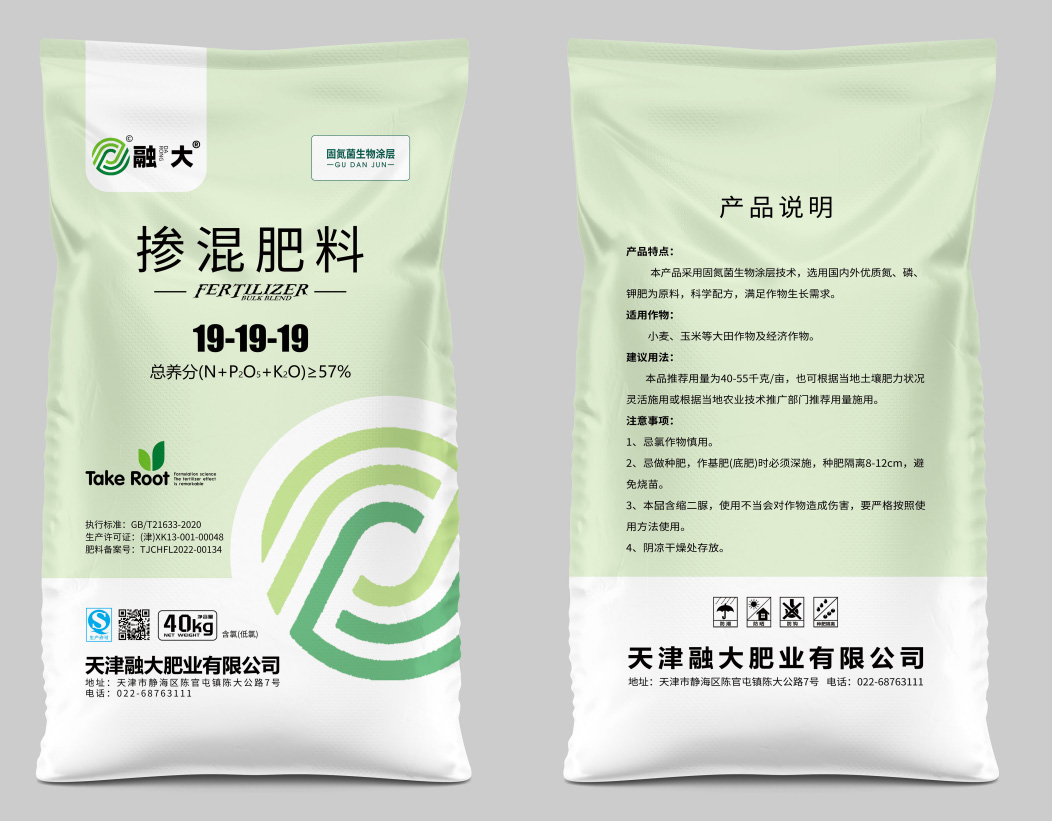
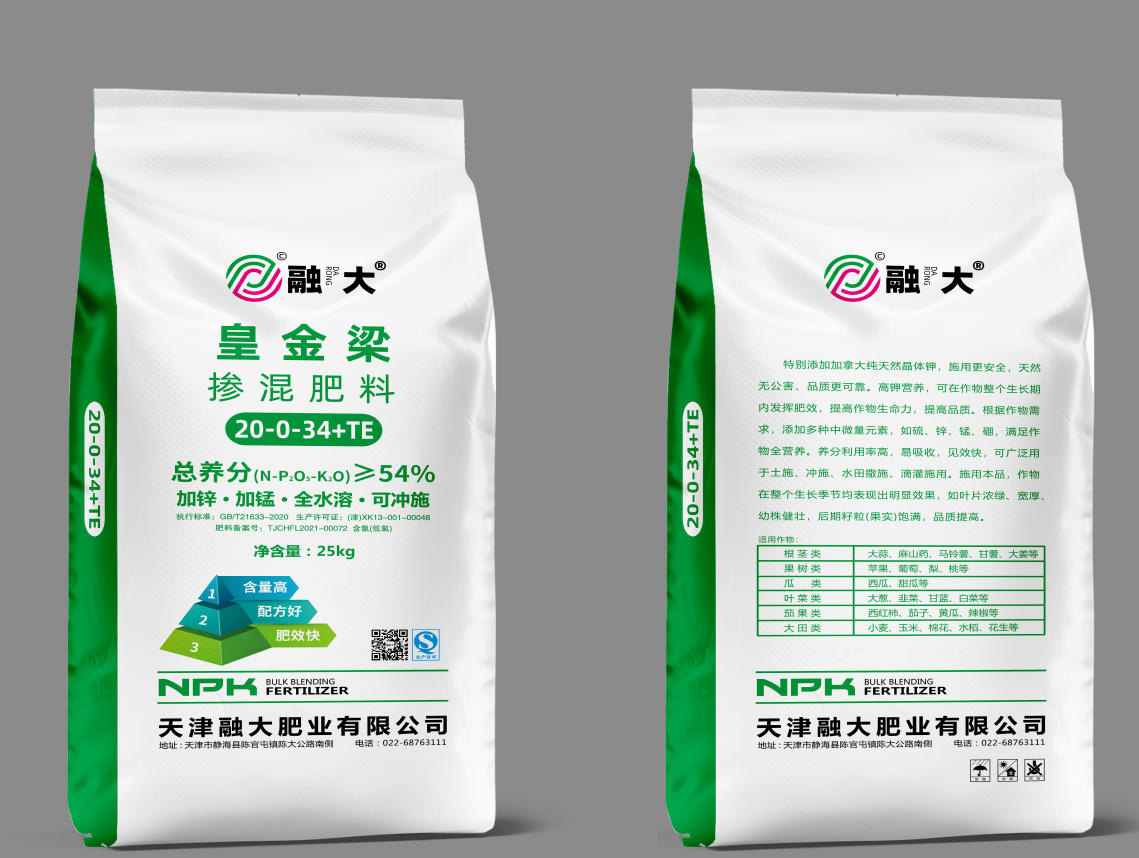
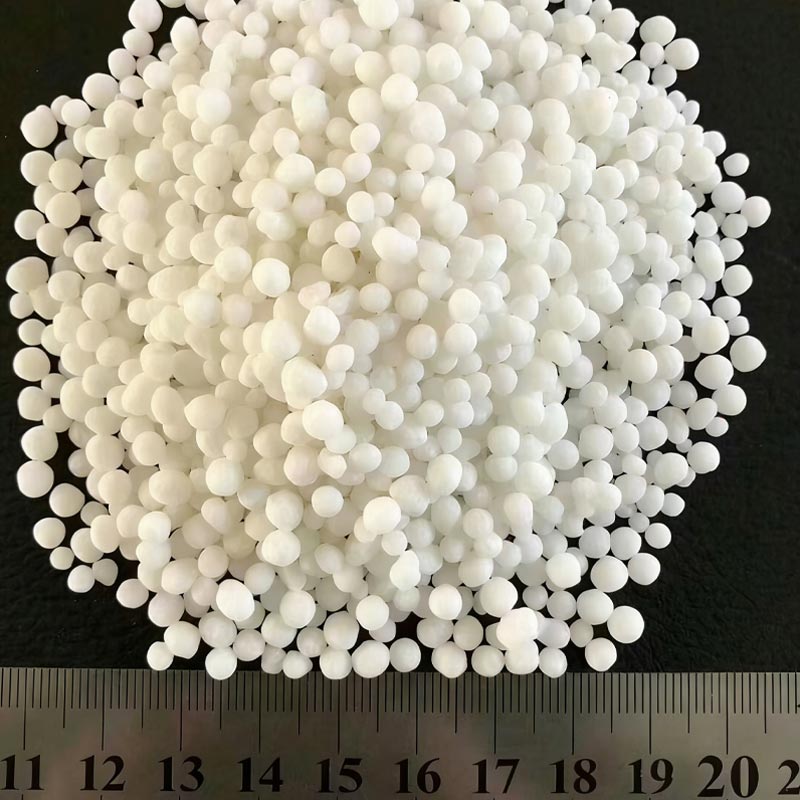
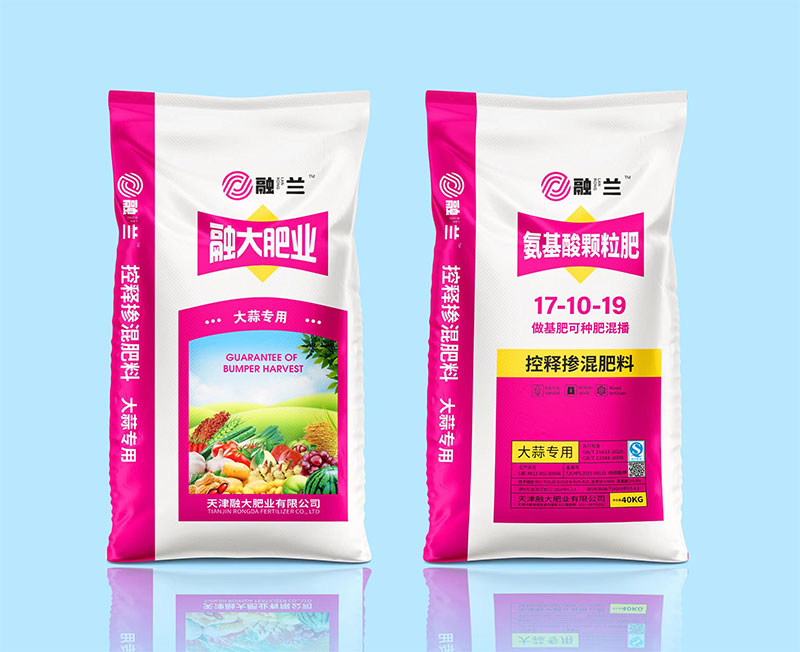
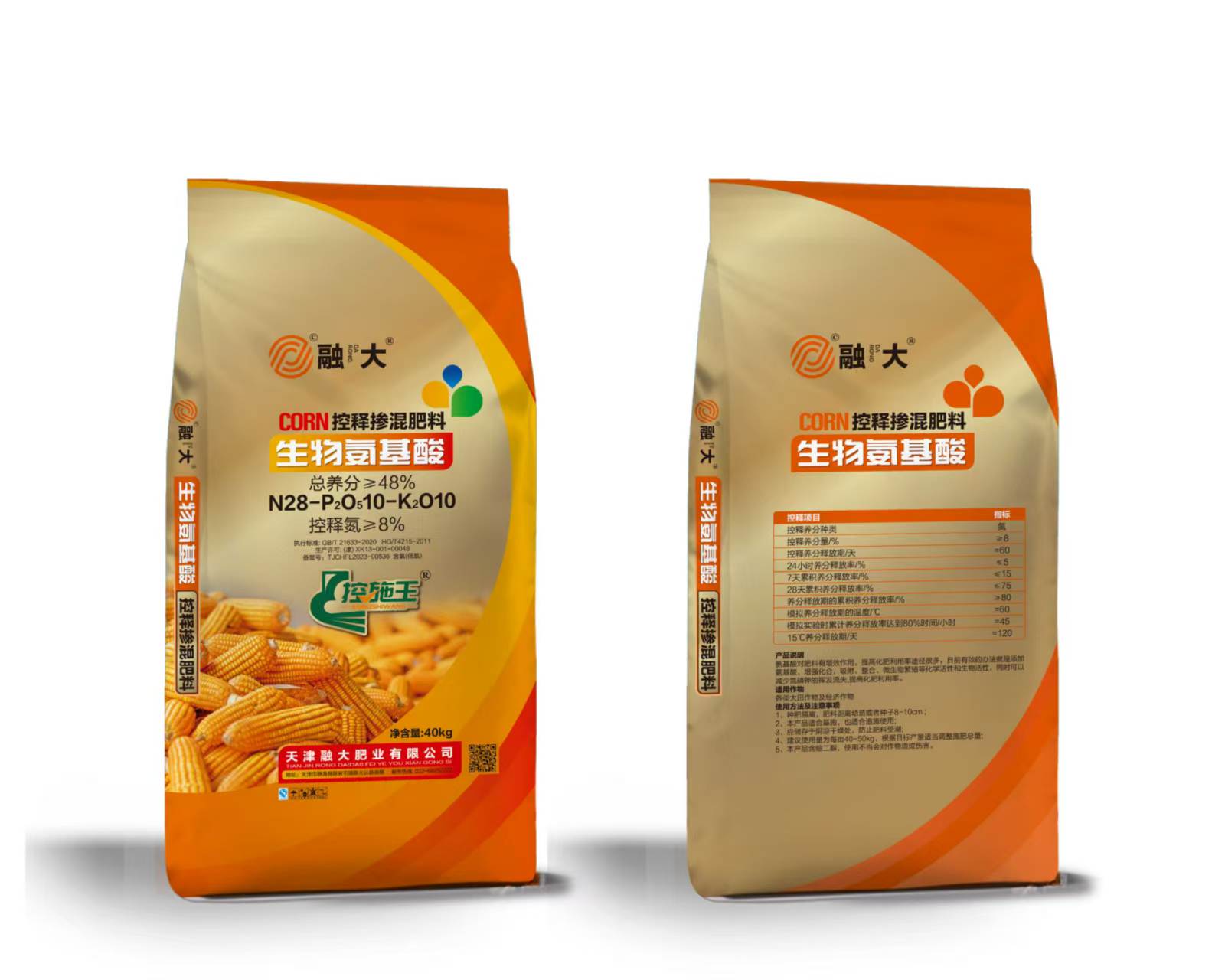
Rongda is a professional manufacturer of ammonium sulfate fertilizer, deeply rooted in the fertilizer industry. We strictly control product quality, producing ammonium sulfate with uniform particle size, good water solubility, and stable nutrient content, suitable for various soil types and crop needs. For details on ammonium sulfate application and bulk purchase inquiries, please feel free to contact us. We will provide professional product and technical support to help farmers apply fertilizer scientifically, improve quality, and increase yields.
Related News
- How Do Controlled-Release Curves Match Crop Demand?
- Can Magnesium Sulfate Be Used in Saline-Alkali Soil? What Are the Risks of Long-Term Application?
- How Do You Turn a Soil Test into a Blend Sheet?
- How Does Applying Magnesium Sulfate After Grape Harvest Help Bud Burst in the Next Year?
- Which Magnesium Sulfate Fits Your Ground?
- Can Foliar Spraying Magnesium Sulfate During Fruit Expansion Improve Fruit Sweetness?
Leave me a message