
What Practical Benefits Does Crystalled Ammonium Chloride Bring to Water-Fertilizer Integration Irrigation?
Leave a Comment Article Summary Water and fertilizer integration is core precision planting technology. Fertilizer solubility and purity directly decide irrigation equipment lifespan and fertilization effect. High-purity RONGDA crystalled ammonium chloride dissolves completely without impurities, perfectly matching drip and sprinkler systems. This article sorts its practical strengths for chlorine-tolerant crops like rice and corn.

Table of Contents
1. Basic Properties of Crystalled Ammonium Chloride
2. Five Core Practical Advantages for Fertigation
3. Crop Performance Under Drip Irrigation
4. Mixing & Application Rules for Irrigation Systems
5. Unique Advantages of RONGDA Crystalled Ammonium Chloride
Basic Properties of Crystalled Ammonium Chloride
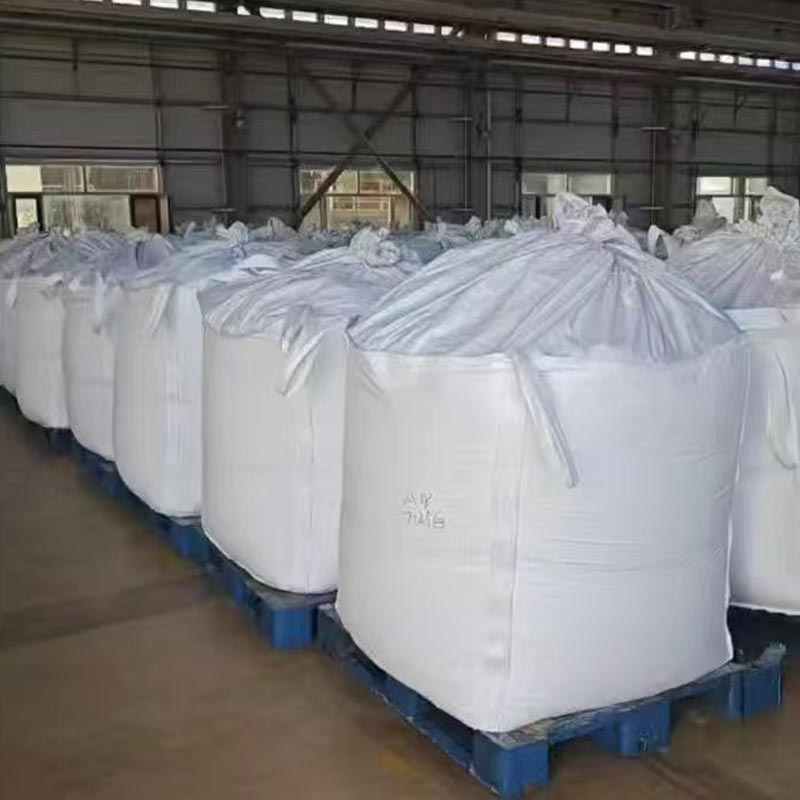
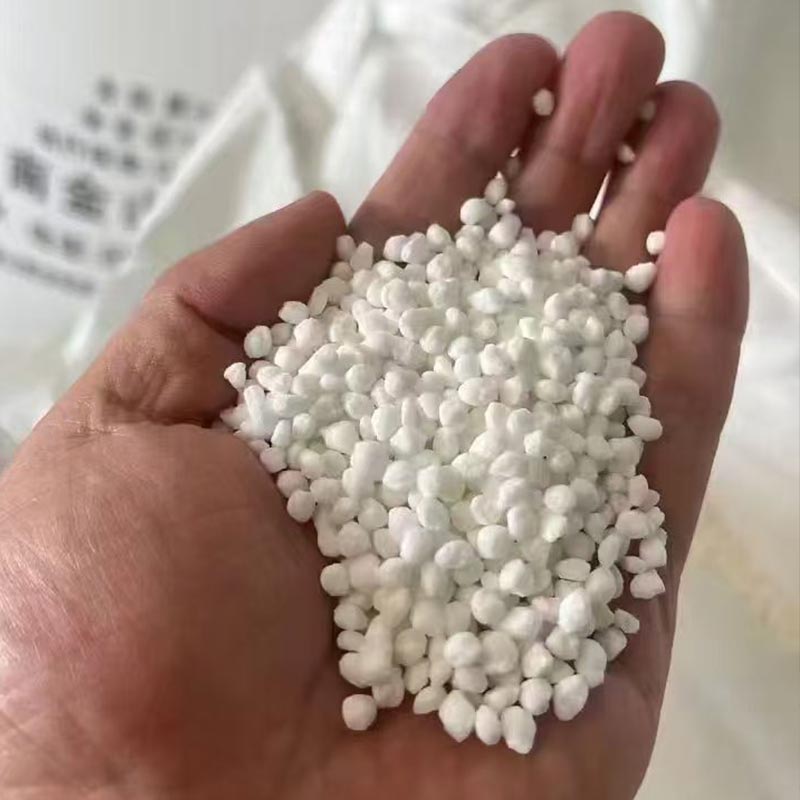
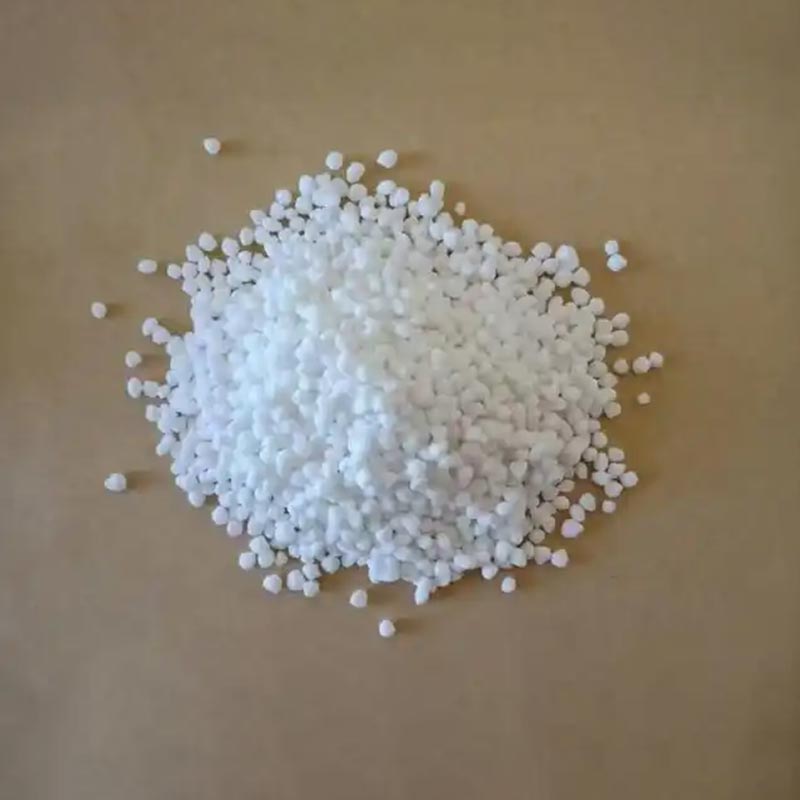
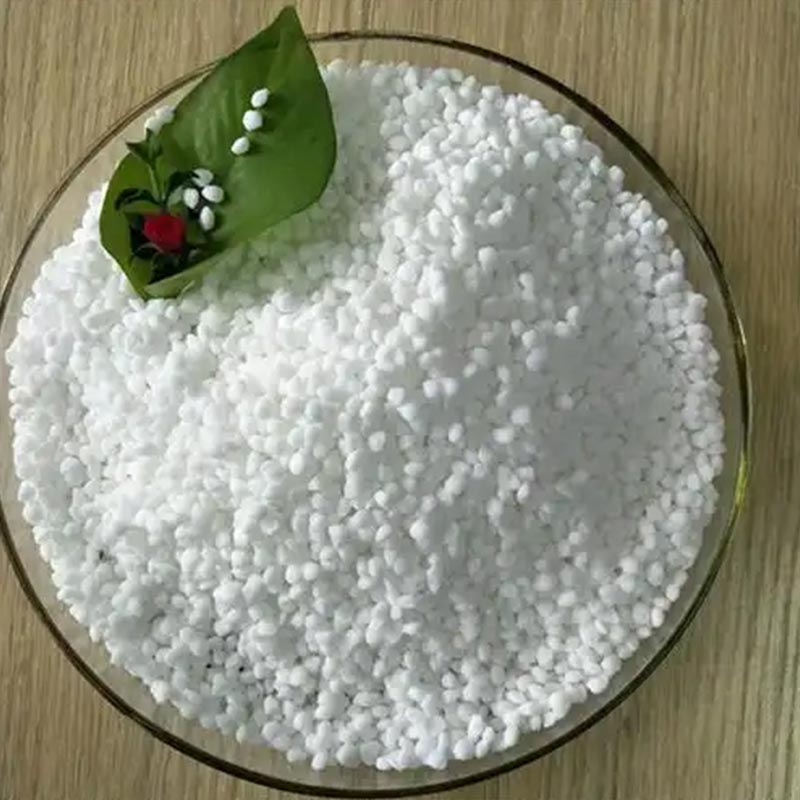
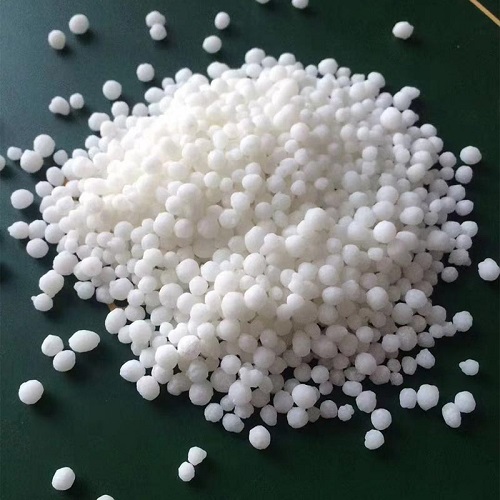
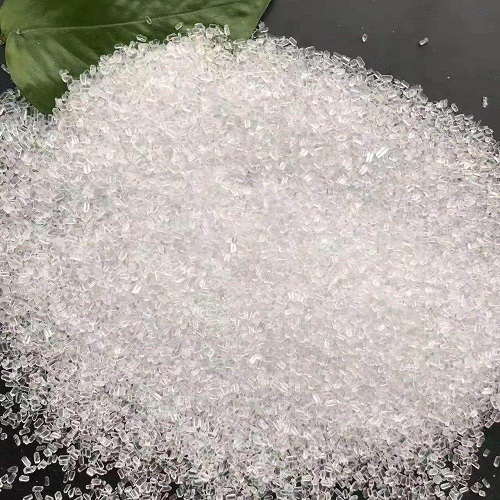
It is high-purity fast-soluble nitrogen fertilizer with stable ammonium nitrogen over 25%. Produced via precise low-temperature crystallization, uniform fine crystals contain ultra-low impurities. Fully soluble in clean water without sediment, it can be used alone or blended with controlled-release and amino acid fertilizers in fertigation equipment.
Five Core Practical Advantages for Fertigation
1. Complete dissolution without residues to avoid pipeline blockage
Ordinary low-grade ammonium chloride contains impurities and precipitates that clog drip tubes long-term.Rongda crystalline ammonium chloride dissolves rapidly and completely in water to form transparent and clean solution, significantly cutting maintenance costs on pipeline cleaning and filter replacement.
2. Directly absorbable ammonium nitrogen delivers faster fertilization effect
Urea relies on soil microbes for transformation, with slow efficiency under low irrigation temperature. Ammonium chloride provides ammonium ions absorbed instantly by roots with irrigation water, quickly easing nitrogen deficiency at seedling and growing stages.
3. Less nitrogen volatilization and leaching to lower planting costs
Urea suffers heavy ammonia loss after irrigation, resulting in low nitrogen efficiency. Ammonium ions bind to soil colloids and rarely wash away. Less fertilizer is required for equal yield, while ammonium chloride’s raw material price saves total input for large-scale farms.
4. Good compatibility with most water-soluble fertilizers
Its weakly acidic solution mixes well with amino acid, calcium magnesium and calcium ammonium nitrate liquid fertilizers in automatic fertilizer tanks. Only avoid mixing with strong alkaline materials like lime to prevent ammonium nitrogen failure.
5. Chloride boosts crop stress resistance especially for paddy fields
Chlorine is essential nutrient for chlorine-tolerant crops such as rice and corn. Continuous low-dose chloride via irrigation strengthens lodging and disease resistance, reducing rice blast and sheath blight to stabilize yield in long-term paddy drip irrigation.
Crop Performance Under Drip Irrigation
Rice applied with ammonium chloride via drip irrigation shows vigorous tillering and more grains per ear. Corn and wheat grow dark green leaves with higher 1000-grain weight. Cotton and sugarcane stay robust and avoid premature leaf yellowing during growth periods.
Mixing & Application Rules for Irrigation Systems
Control solution concentration between 0.05%-0.1% and lower dosage at seedling stage to prevent root burn. Dissolve crystals fully with clean water before pumping into irrigation pipelines. Chlorine-sensitive fruits and vegetables must not use this product for fertigation topdressing.
Unique Advantages of RONGDA Crystalled Ammonium Chloride
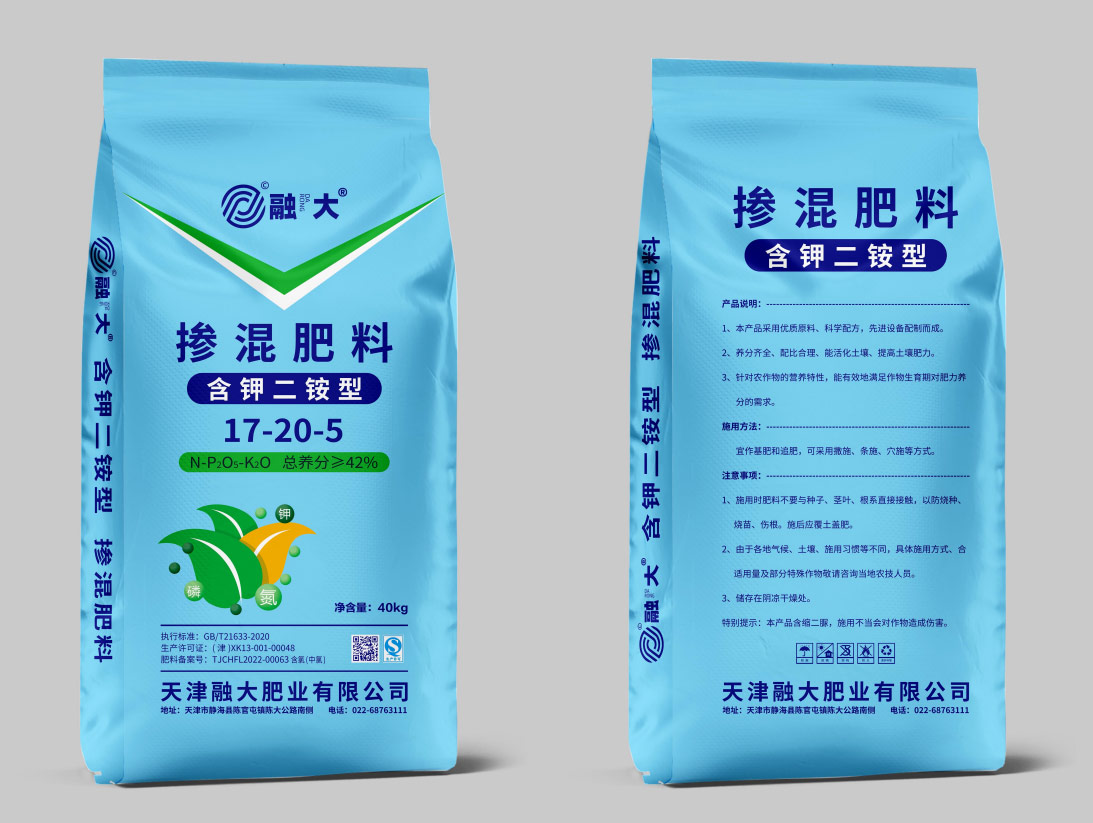
Strict refining process minimizes impurities far below industry standards. Dry crystals resist moisture and caking for easy dissolution. Stable nitrogen content per batch suits liquid fertilizer production. Multiple package sizes support automatic fertigation lines on large farms.
Frequently Asked Questions (FAQ)
Q1: Will crystalled ammonium chloride damage drip irrigation hoses?
A1: High-purity product has no solid impurities and won’t scratch or block pipelines. Low-quality products with heavy impurities corrode filters and drippers over time.
Q2: Which crops cannot use ammonium chloride in fertigation?
A2: Chlorine-sensitive crops including grapes, strawberries, tobacco and citrus are forbidden. Field crops like rice, corn, wheat and cotton can be applied all year round.
Q3: Can it be mixed with urea for irrigation liquid?
A3: Yes. The combination supplies both fast ammonium nitrogen and long-acting amide nitrogen. Irrigate immediately after mixing to reduce ammonia volatilization.
Q4: Can greenhouse vegetables use this product for drip irrigation?
A4: Chlorine-tolerant leaf vegetables can be applied in small doses, while chlorine-sensitive melons and fruits are prohibited to prevent poor fruit taste.
Conclusion
Fertigation systems demand high purity and full solubility from fertilizers. Crystalled ammonium chloride features instant dissolution, high nitrogen efficiency and low cost, making it top nitrogen raw material for chlorine-tolerant field crops. RONGDA high-purity crystals fit all automatic irrigation machines, saving water, fertilizer and maintenance work to raise crop yield and quality. Contact us for customized fertigation formula plans.
Related News
- How Do Controlled-Release Curves Match Crop Demand?
- Can Magnesium Sulfate Be Used in Saline-Alkali Soil? What Are the Risks of Long-Term Application?
- How Do You Turn a Soil Test into a Blend Sheet?
- How Does Applying Magnesium Sulfate After Grape Harvest Help Bud Burst in the Next Year?
- Which Magnesium Sulfate Fits Your Ground?
- Can Foliar Spraying Magnesium Sulfate During Fruit Expansion Improve Fruit Sweetness?
Leave me a message