
What Is the Difference Between Compound Fertilizer and Blended Fertilizer? Advantages, Disadvantages and Selection Guide
Compound fertilizer and blended fertilizer are two mainstream fertilizer types widely used in modern agricultural production. Most growers struggle to distinguish their characteristics, resulting in improper fertilization, increased planting costs, uneven crop growth and low yield. These two fertilizers differ greatly in production technology, particle structure, nutrient distribution, application scenarios and fertilization effects. This article comprehensively compares their core differences, pros and cons, suitable crops and field application skills, helping farmers select and apply fertilizers scientifically according to soil conditions, crop types and planting modes.

Table of Contents
1. Core Differences Between Compound Fertilizer and Blended Fertilizer
2. Advantages and Disadvantages of Compound Fertilizer
3. Advantages and Disadvantages of Blended Fertilizer
4. Scientific Selection Methods for the Two Fertilizers
5. Field Matching Skills and Purchase Standards
Core Differences Between Compound Fertilizer and Blended Fertilizer
The fundamental gap between compound fertilizer and blended fertilizer lies in production technology, which directly determines fertilizer stability and field performance.
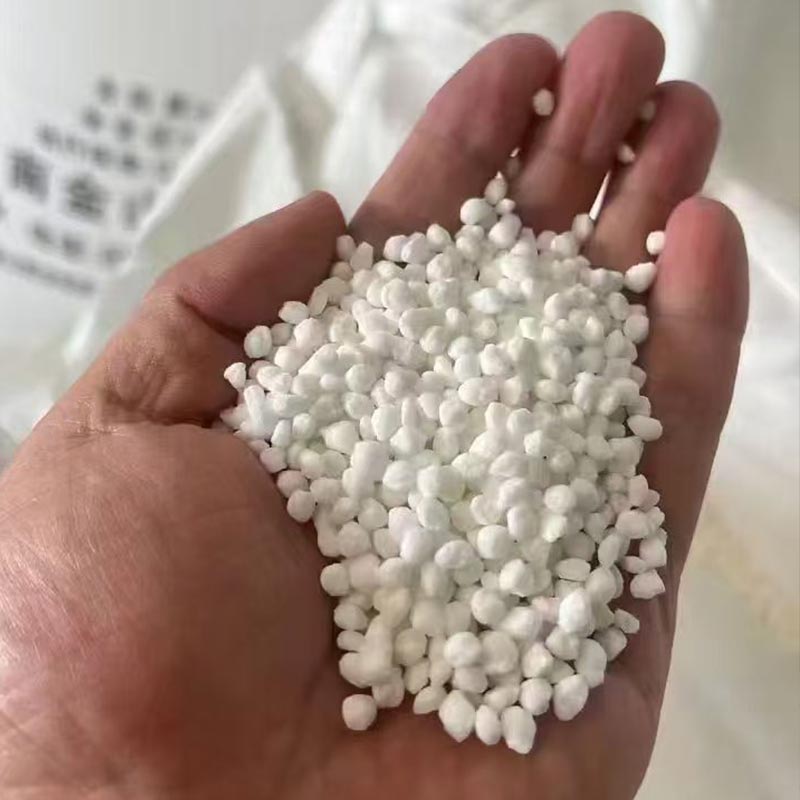
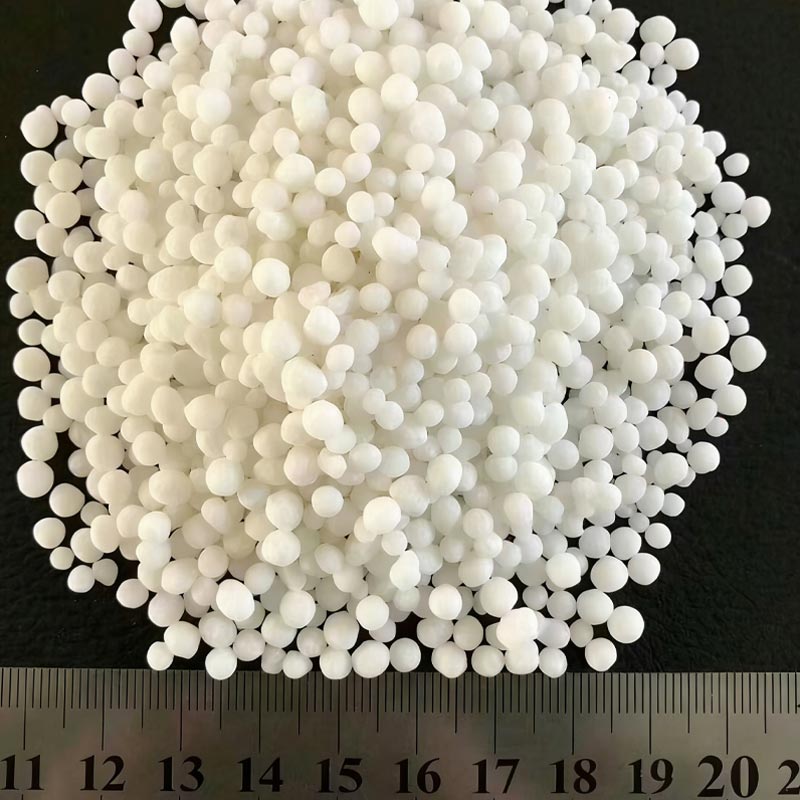
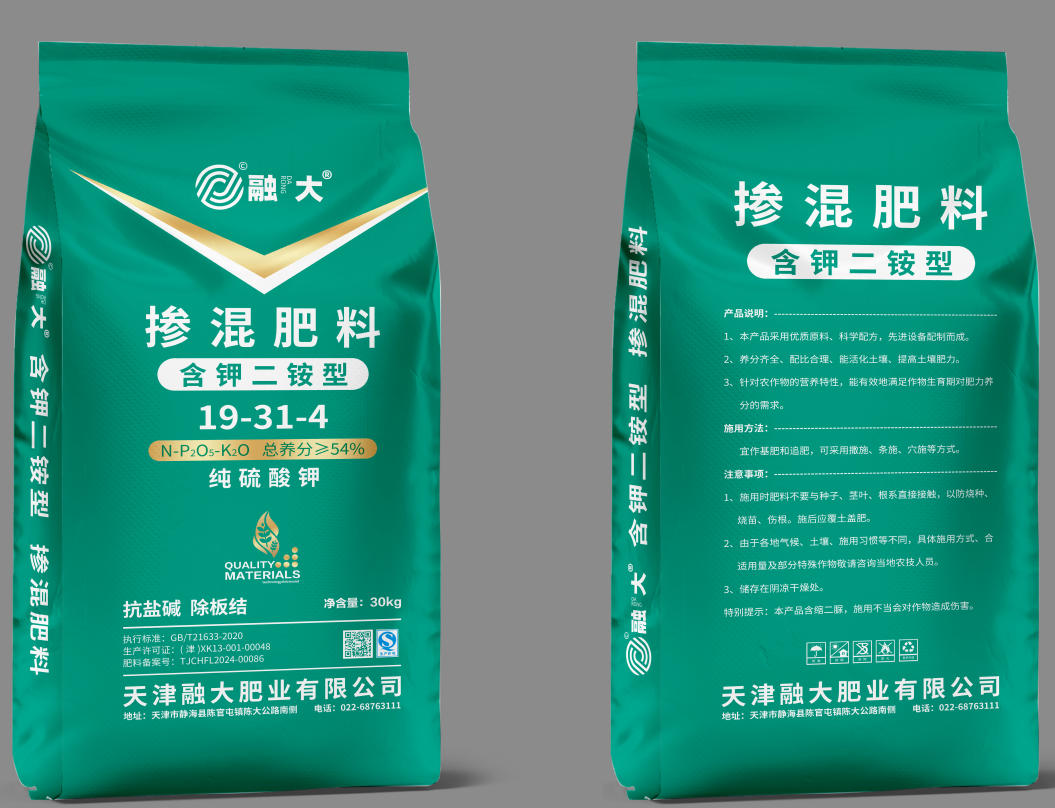
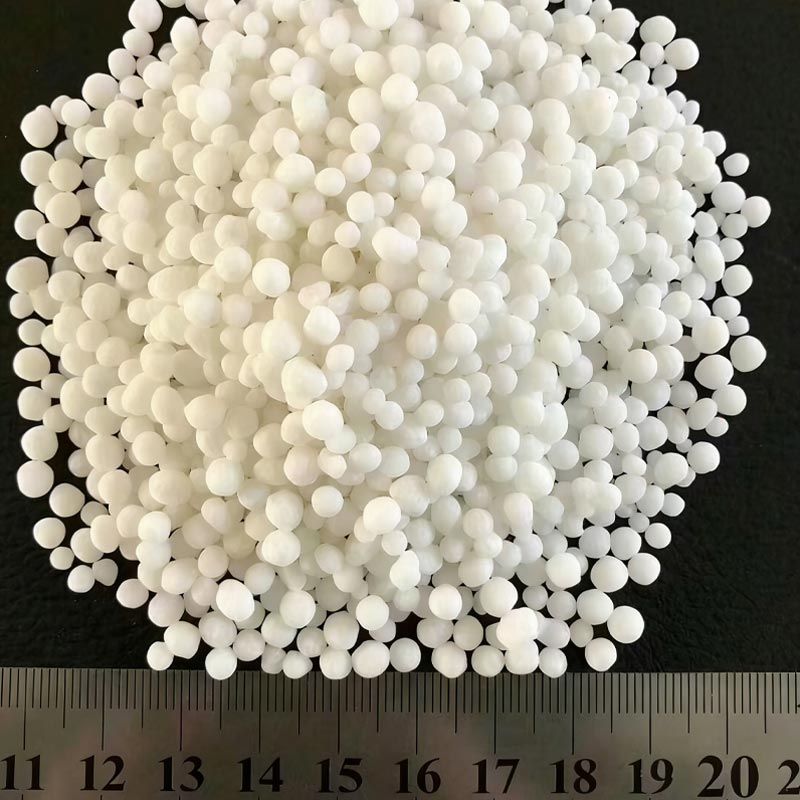
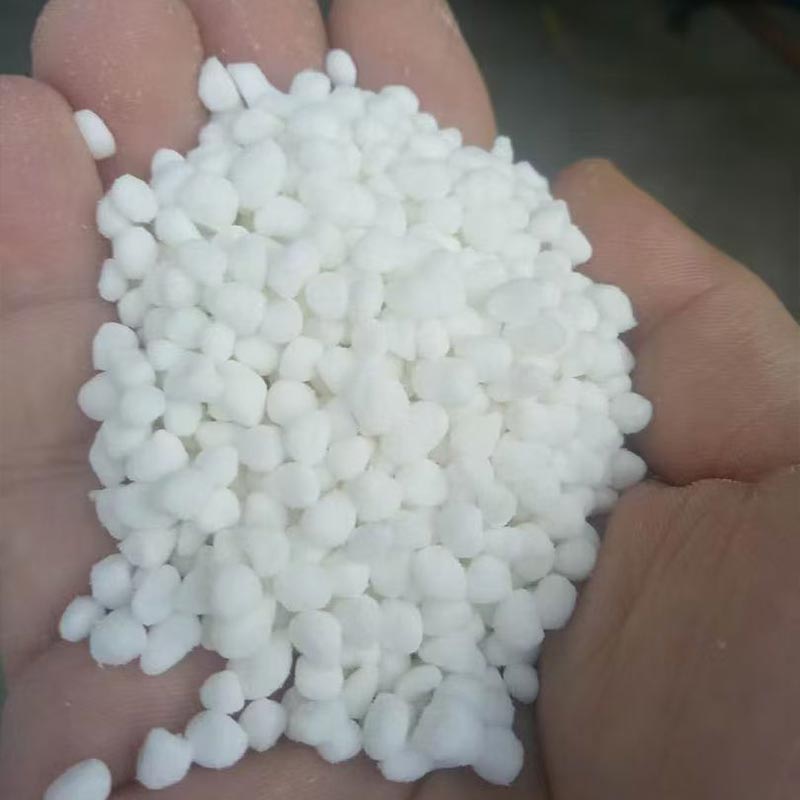
Compound fertilizer is a chemically synthesized fertilizer manufactured through tower granulation, slurry granulation and other professional chemical processes. Each fertilizer particle contains evenly proportioned nitrogen, phosphorus, potassium and medium trace elements with stable and fixed nutrient ratios. It features regular particle shape, low moisture absorption and anti-caking performance, perfectly adapting to large-scale and mechanized fertilization operations.
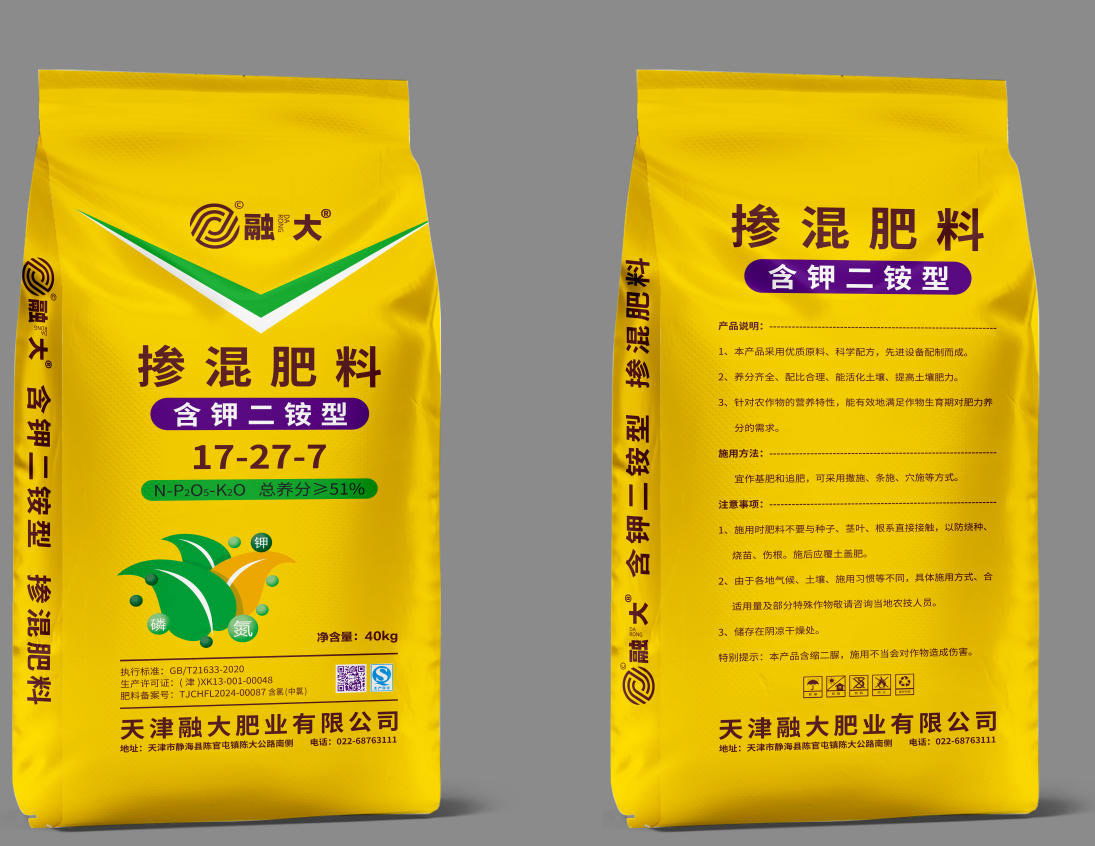
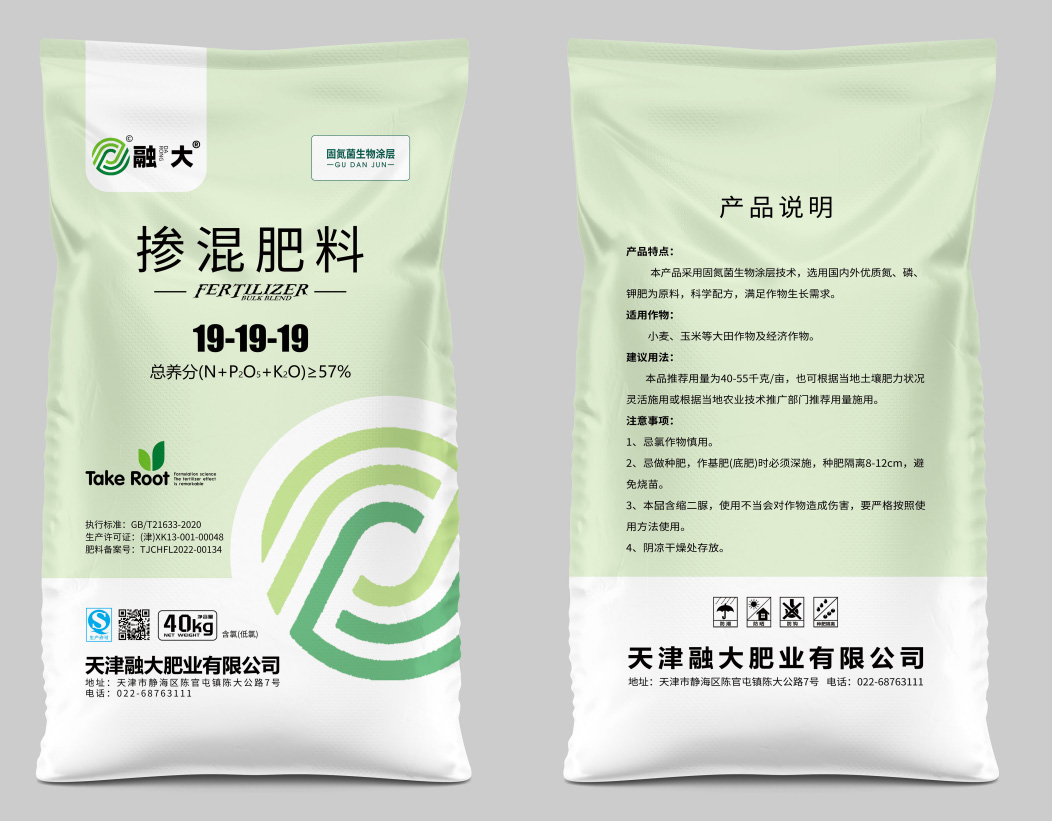
Blended fertilizer is produced by simple physical mixing without any chemical reaction. It is made by mixing various single-element fertilizers and compound fertilizers in specific proportions. It requires consistent particle size of raw materials. Insufficient stirring or uneven particle size will cause layering during storage and application, leading to unbalanced nutrient distribution, partial fertilizer deficiency or fertilizer damage in farmland.
Advantages and Disadvantages of Compound Fertilizer
Advantages of Compound Fertilizer
Uniform and Stable Nutrients: Every particle of compound fertilizer has the same nutrient ratio, ensuring even field fertilization. It avoids partial nutrient deficiency or excess, making it ideal for mechanical sowing and base fertilizer application in standardized planting modes.
Long-lasting Fertilizer Efficiency: High-quality compound fertilizers adopt stable granulation technology, and some are equipped with slow-release formulas. Nutrients are released steadily and durably, providing continuous nutrition for crops. It is highly suitable for fruit trees and perennial crops that require long-term nutrient supply.
Convenient Storage and Transportation: With stable physical properties, compound fertilizer is not easy to absorb moisture or agglomerate. It has low storage loss and supports large-scale stockpiling for long-term use.
Disadvantages of Compound Fertilizer
Fixed Formula with Low Flexibility: The nutrient ratio is fixed before leaving the factory, which cannot adapt to the differentiated needs of different plots, crops and growth stages. For soil with specific nutrient deficiencies, additional single-element fertilizers are required for adjustment.
High Production Cost: Complex production processes and high technical requirements lead to higher market prices compared with blended fertilizer, increasing the overall cost of large-area planting.
Advantages and Disadvantages of Blended Fertilizer
Advantages of Blended Fertilizer
- Customizable and Flexible Formula: Growers can adjust the proportion of nitrogen, phosphorus, potassium and trace elements according to soil test results and crop growth rules. It can precisely solve soil nutrient defects and is especially suitable for cash crops such as vegetables and fruits with variable nutrient demands in different growth stages.
- Cost-effective and Controllable Budget: With simple physical mixing technology and transparent raw materials, blended fertilizer has a lower market price, effectively reducing agricultural fertilization costs.
- High Yield Potential: Scientifically proportioned blended fertilizer can fully meet the actual nutritional needs of crops through targeted soil formula matching. Under refined fertilization management, it can achieve better crop growth, higher yield and better fruit quality than fixed-ratio compound fertilizer.
Disadvantages of Blended Fertilizer
- Prone to Layering and Uneven Fertilization: Inconsistent particle size and specific gravity of raw materials easily cause layering during transportation, storage and spreading, resulting in unbalanced field nutrients and irregular crop growth.
- High Technical Requirements: Blended fertilizer needs accurate soil testing and professional nutrient matching. Blind mixing and improper application will cause nutrient waste, soil imbalance, crop nutrient deficiency and premature aging.
Scientific Selection Methods for the Two Fertilizers
Selection by Crop Type
Field grain crops such as wheat, rice and corn have stable nutrient demands throughout the growth cycle. Compound fertilizer with fixed and balanced nutrients is the best choice, which adapts to mechanized sowing and one-time base fertilization to save labor and energy.
Cash crops including vegetables and fruits have distinct nutrient requirements in seedling, flowering and fruit expansion stages. Customizable blended fertilizer can realize precise staged fertilization, significantly improving crop quality and yield.
Selection by Soil Condition
For barren soil with single nutrients and no soil testing conditions, compound fertilizer is preferred to quickly supplement multiple nutrients and improve basic soil fertility.
For soil with specific problems such as trace element deficiency and excessive phosphorus content, customized blended fertilizer based on soil testing can targetedly improve soil conditions and supplement missing nutrients.
Selection by Cost and Management Mode
Large-scale planting bases pursuing standardized management, stable fertilization effect and mechanized operation are suitable for compound fertilizer. Despite the higher unit price, it saves labor, ensures stability and reduces planting risks.
Refined planting scenarios focusing on cost performance and customized fertilization are suitable for blended fertilizer. It supports flexible formula adjustment to reduce costs and improve comprehensive planting benefits.
Field Matching Skills and Purchase Standards
In actual agricultural production, growers do not need to rely on a single fertilizer type. Combining the advantages of compound fertilizer and blended fertilizer can achieve complementary and efficient fertilization. The most practical scheme is to apply compound fertilizer as base fertilizer to ensure balanced early-stage growth, and use customized blended fertilizer for topdressing in the growth period to adjust nutrients according to crop growth status.In addition, all fertilizers must comply with national standards. Avoid unqualified and falsely labeled fertilizers to prevent yield losses.
Summary
Compound fertilizer is characterized by stability, uniformity and labor-saving operation, perfectly fitting standardized, mechanized and large-scale agricultural planting. Blended fertilizer boasts flexible formulas, low cost and customizable nutrition, suitable for refined and staged targeted fertilization. Growers can select fertilizers according to crop types, soil conditions and planting scales, or apply the two fertilizers in combination to maximize fertilizer utilization efficiency, stabilize crop yield, improve produce quality and reduce planting costs.
FAQ
Q1: Which is better, compound fertilizer or blended fertilizer?
Neither is absolutely superior, as they apply to different scenarios. Compound fertilizer features high stability, suitable for field crops and mechanized planting. Blended fertilizer has flexible formulas and high cost performance, ideal for refined management of cash crops. Both can achieve high yields with scientific application.
Q2: Is caking of blended fertilizer a quality problem?
Slight caking is usually caused by moisture absorption during storage, which is a normal physical phenomenon and does not affect fertilizer efficiency after crushing. However, severely layered and unevenly proportioned blended fertilizer will impair fertilization effect and is not recommended for use.
Q3: Can compound fertilizer and blended fertilizer be used together for all crops?
Yes, the matching application is applicable to most crops. Using compound fertilizer for base fertilization to stabilize growth and blended fertilizer for topdressing to adjust nutrients is currently the most scientific and cost-effective fertilization method.
Q4: Which fertilizer is more suitable for small-scale growers?
Choose compound fertilizer if you pursue simple operation and stable effect without soil testing conditions. Choose formal customized blended fertilizer if you want refined planting, lower costs and better crop quality.
If you are looking for a reliable agricultural fertilizer supplier with stable quality and professional support, Tianjin Rongda Fertilizer Co., Ltd. is always ready to provide you with assistance. Contact us today to find out how our fertilizer solutions can boost your agricultural productivity.
Related News
- How Do Controlled-Release Curves Match Crop Demand?
- Can Magnesium Sulfate Be Used in Saline-Alkali Soil? What Are the Risks of Long-Term Application?
- How Do You Turn a Soil Test into a Blend Sheet?
- How Does Applying Magnesium Sulfate After Grape Harvest Help Bud Burst in the Next Year?
- Which Magnesium Sulfate Fits Your Ground?
- Can Foliar Spraying Magnesium Sulfate During Fruit Expansion Improve Fruit Sweetness?
Leave me a message