
Will Crops on Sandy Soil Suffer from Nutrient Deficiency? How Do Calcium-Magnesium Granules Realize Long-Term Supply of Secondary Nutrients?
Sandy soil has poor water and fertilizer retention capacity. Nutrients easily leach down with rain and irrigation water, triggering frequent crop nutrient deficiency. Calcium and magnesium are essential secondary nutrients for crops. Rongda Calcium-Magnesium Granules release nutrients slowly, delivering long-lasting calcium and magnesium supply, solving nutrient loss issues and improving planting conditions on sandy farmland.
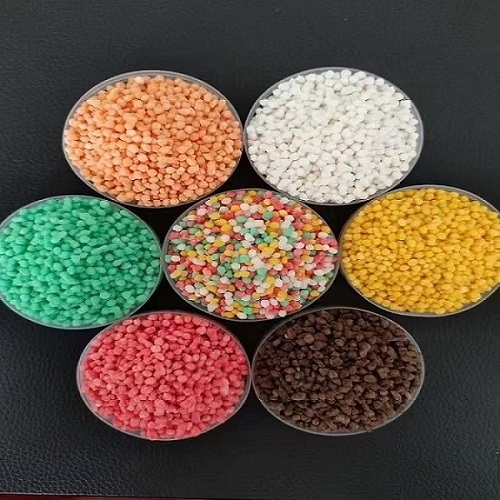
Table of Contents
1. Root Cause of Nutrient Deficiency on Sandy Soil: Easy Nutrient Leaching Loss
2. Common Mistakes of Blind Nutrient Supplement on Sandy Soil
4. Scientific Application Methods of Calcium-Magnesium Granules on Sandy Soil
5. Application Notes for Calcium-Magnesium Granules
6. Soil Improvement Effects Brought by Long-Term Application of Calcium-Magnesium Granules
1. Root Cause of Nutrient Deficiency on Sandy Soil: Easy Nutrient Leaching Loss
Sandy soil has loose texture and high proportion of sand grains, with large internal soil pores and fast water flow. The original calcium and magnesium ions in sandy soil are easily washed away after watering or rainfall. Conventional quick-acting fertilizers release rapidly after application, and the retention time of such fertilizers on sandy soil is short. Before crops’ root systems fully absorb the fertilizers, nutrients have leached into deep soil layers, resulting in fertilizer waste and periodic nutrient deficiency of crops.
2. Common Mistakes of Blind Nutrient Supplement on Sandy Soil
Many growers, when planting on sandy soil, will supplement calcium fertilizer or magnesium fertilizer in a large single dose once crops show leaf chlorosis and fruit cracking. The way of large one-time fertilization does not adapt to the characteristics of sandy soil. Quick-acting nutrients are lost rapidly, and the effect of calcium and magnesium supplementation is temporary. This operation may also cause element antagonism and affect the absorption of other nutrients. Many growers only supplement calcium or magnesium separately, ignoring the synergistic effect of the two secondary nutrients, and it is difficult to fundamentally solve the problem of nutrient deficiency in sandy soil.
3. Calcium-Magnesium Granules: Synchronous Supply of Calcium and Magnesium for Long-Term Fertilization on Sandy Soil
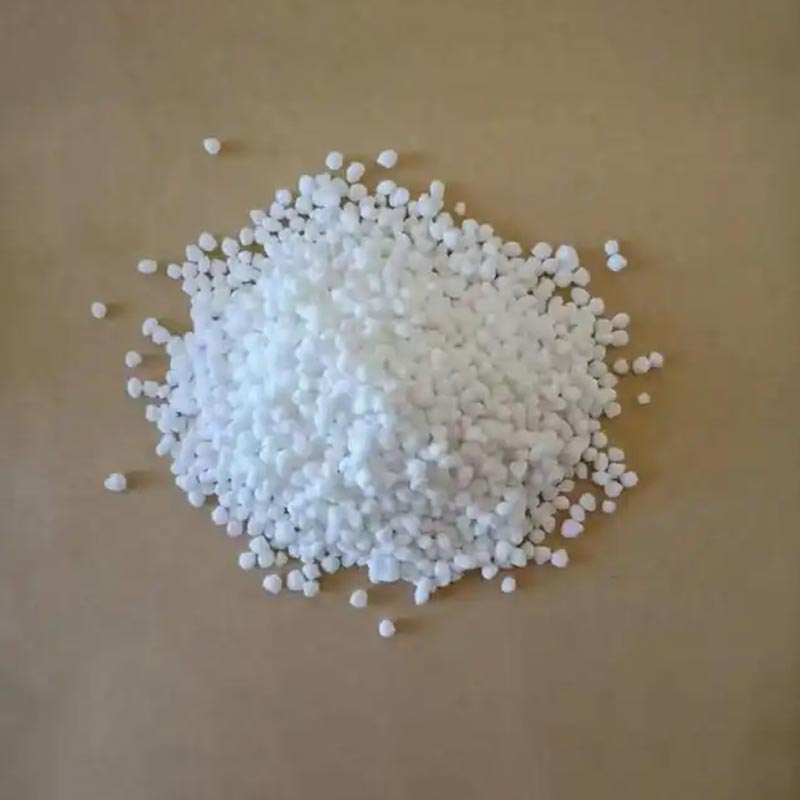
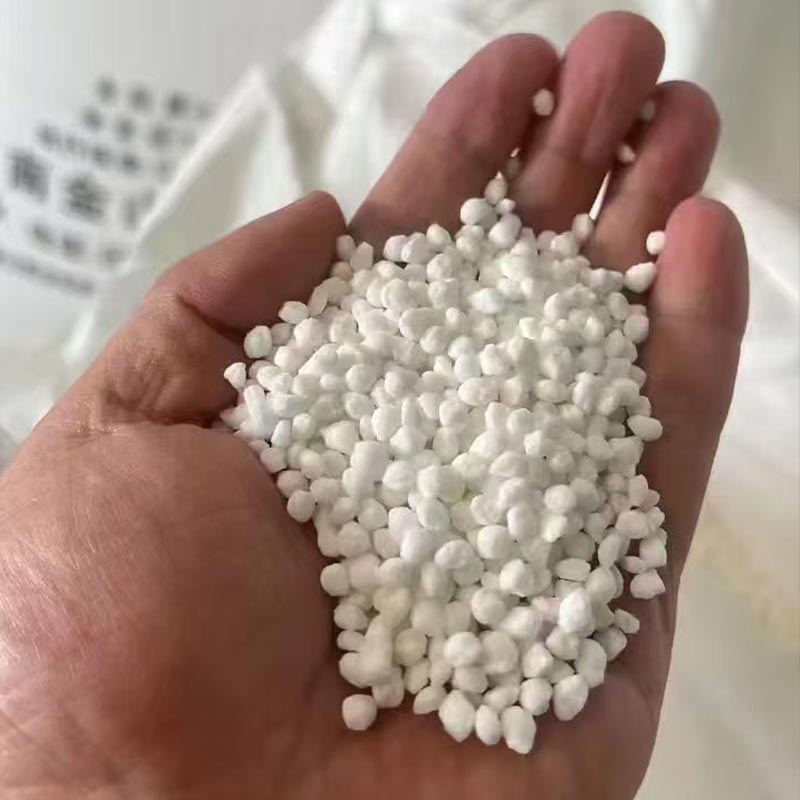
Calcium can strengthen crop cell walls and reduce the incidence of physiological diseases such as fruit cracking and blossom-end rot. Magnesium is the core component of chlorophyll. Sufficient magnesium ensures the normal operation of photosynthesis and improves the accumulation of photosynthetic products. Sandy soil lacks both calcium and magnesium secondary nutrients, and supplementing only one of the elements cannot solve the fundamental problem. Calcium-Magnesium Granules carry both core nutrients of calcium and magnesium, realizing synchronous supplementation of two secondary nutrients in one application. Rongda Calcium-Magnesium Granules adopt granulation technology with gentle nutrient release. After Calcium-Magnesium Granules are applied to sandy soil, Calcium-Magnesium Granules will not dissolve and lose quickly. Calcium-Magnesium Granules can continuously release calcium and magnesium nutrients in the topsoil and root activity layer.
4. Scientific Application Methods of Calcium-Magnesium Granules on Sandy Soil
When applying Calcium-Magnesium Granules in sandy plots for field crops, orchards and vegetables, broadcast application or furrow application as base fertilizer is preferred. Before sowing or transplanting crops, spread Calcium-Magnesium Granules evenly on the soil surface, then plough and mix Calcium-Magnesium Granules into the cultivated soil layer, so that Calcium-Magnesium Granules fully contact the soil layer where root systems grow. For perennial fruit trees, after fruit harvesting in autumn, dig shallow trenches along the canopy drip line and bury Calcium-Magnesium Granules to release nutrients slowly for fruit trees to overwinter and germinate in the coming spring.
5. Application Notes for Calcium-Magnesium Granules
When applying Calcium-Magnesium Granules, control the reasonable dosage and avoid excessive input at one time. Sandy soil has weak fertility foundation, and it is recommended to determine the application amount of Calcium-Magnesium Granules combined with soil test results. Meanwhile, during the application of Calcium-Magnesium Granules, avoid one-time mixing with high-concentration phosphate fertilizer to prevent nutrient fixation and reduce the utilization efficiency of Calcium-Magnesium Granules. Applying Calcium-Magnesium Granules in small divided doses is more consistent with the poor fertilizer retention feature of sandy soil and extends the nutrient supply cycle of Calcium-Magnesium Granules.
6. Soil Improvement Effects Brought by Long-Term Application of Calcium-Magnesium Granules
Long-term use of Calcium-Magnesium Granules can not only supplement secondary nutrients, but also gradually improve the physical and chemical properties of sandy soil. Calcium-Magnesium Granules can adjust the pH value of sandy soil, ease the acidification trend of sandy soil, optimize soil aggregate structure and slightly improve the fertilizer retention capacity of sandy soil. Continuous application of Calcium-Magnesium Granules can reduce yield reduction caused by nutrient deficiency in sandy soil, stabilize crop yield, improve fruit quality and help growers reduce the management difficulty of planting on sandy soil.
Rongda devotes itself to fertilizer research, development and supply. Calcium-Magnesium Granules have been verified by multiple field tests on sandy soil and are suitable for various cash crops and field crops. To improve the nutrient deficiency problem of planting on sandy soil, growers cannot only rely on single topdressing. A long-term and stable secondary nutrient supply plan is the key, and Calcium-Magnesium Granules is a high-quality choice for nutrient supplement and soil improvement on sandy soil.
Related News
- Will Continuous Application of Magnesium Sulfate on Acidic Soil Aggravate Soil Acidification?
- How Do Controlled-Release Curves Match Crop Demand?
- Can Magnesium Sulfate Be Used in Saline-Alkali Soil? What Are the Risks of Long-Term Application?
- How Do You Turn a Soil Test into a Blend Sheet?
- How Does Applying Magnesium Sulfate After Grape Harvest Help Bud Burst in the Next Year?
- Which Magnesium Sulfate Fits Your Ground?
Leave me a message