
News
We are glad to share with you about the results of our work, company news, and give you timely developments and personnel appointment and removal conditions.
 20 2026-10
 How Do You Judge a Blended Fertilizer Before You Buy It?
A BB blend is only as good as its weakest habit: mismatched granule sizes that segregate in the spreader, raw materials that drink moisture and cake, and an analysis printed on the bag that the field never receives. This article turns blend quality into five checkpoints you can run with a sieve, a scale and ten minutes - before the bag goes on the truck.
 19 2026-10
 Magnesium Deficiency & Premature Aging in Greenhouse Vegetables: Soil Drench vs Foliar Spray of Magnesium Sulfate
Closed greenhouse conditions, continuous cropping and excessive potassium fertilizer often lead to magnesium shortage in soil. Magnesium deficiency damages chlorophyll synthesis, causes yellowing of old lower leaves, reduces photosynthesis and triggers premature aging, which seriously cuts down crop yield and quality. Many greenhouse growers wonder whether Magnesium Sulfate should be applied by soil drench or foliar spray. Based on numerous greenhouse field trials, RONGDA compares these two application methods and shares professional fertilization suggestions.
 17 2026-10
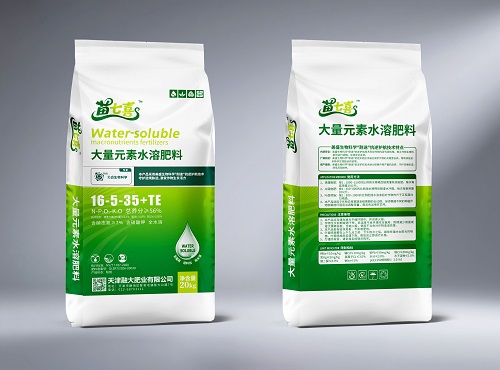
 Which Water-Soluble NPK Formula Fits Each Growth Stage?
A water-soluble shelf offers balanced, high-nitrogen, high-phosphorus and high-potassium formulas - and the wrong formula at the wrong stage wastes money in the cleanest possible form. This article matches the common NPK families to growth stages, explains how to read the label beyond the three numbers, and sets the dosing rhythm that ties them together.
 16 2026-10
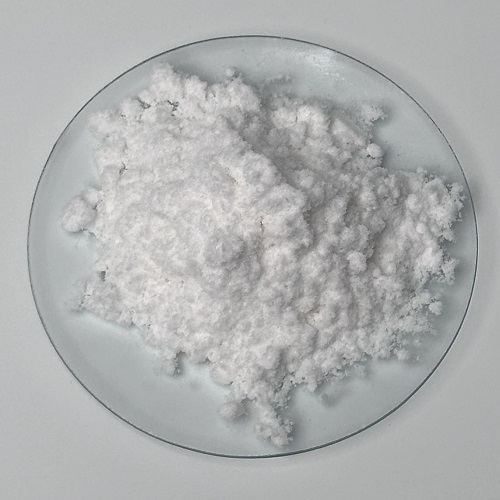
 What is the difference between Magnesium Sulfate and Calcium Magnesium Granules? When to Use Them Together?
Magnesium is an essential nutrient for crop chlorophyll synthesis. The combined supply of calcium and magnesium plays a vital role in soil improvement and crop quality improvement. Many farmers and fertilizer buyers often confuse Magnesium Sulfate and Calcium Magnesium Granules. They are unsure of their nutrient features, application scenarios and proper mixing methods. Drawing on years of fertilizer export and field practice experience, RONGDA explains the differences between these two products and shares practical application tips.
 15 2026-10
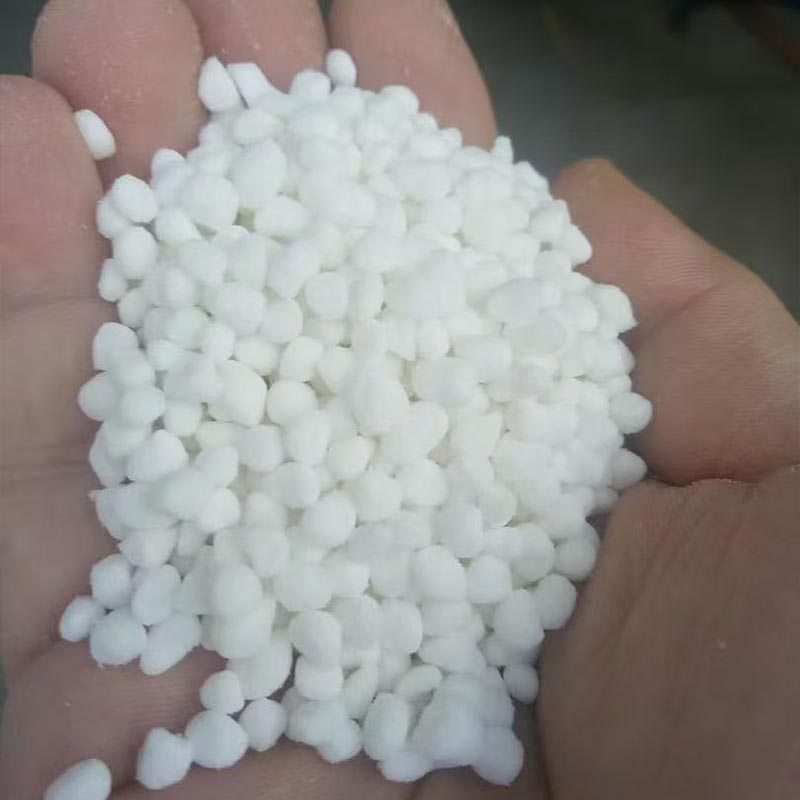
 Why Do Sulfur-Hungry Fields Keep Ordering Ammonium Sulfate?
Ammonium sulfate is the oldest synthetic nitrogen fertilizer still in wide use - 21% ammoniacal nitrogen and 24% sulfate sulfur in one white crystal. Newer sources take the headlines, but on sulfur-hungry fields, alkaline soils and paddies it keeps winning reorder after reorder. This article explains what AS actually delivers, where it fits best, and where other sources beat it.
 14 2026-10
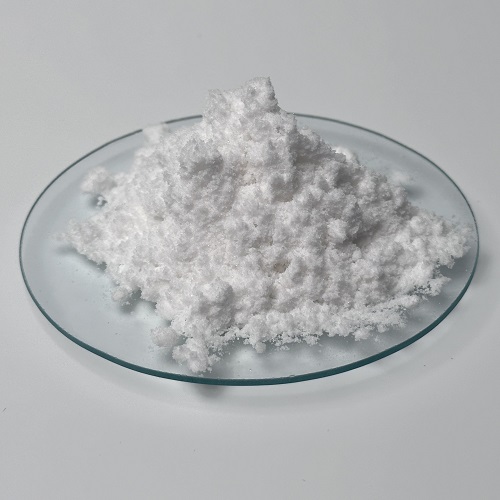
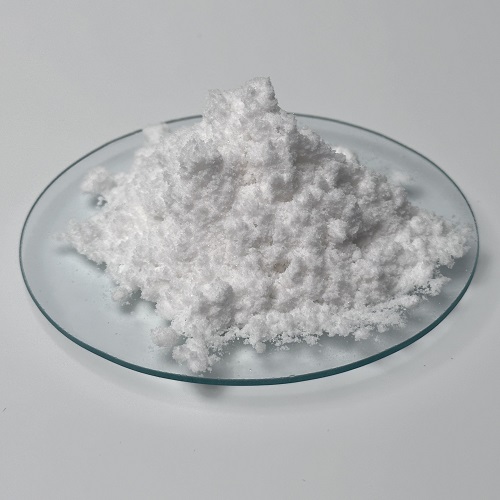
 Magnesium Sulfate Crystal, Powder and Granule: How Big Is the Difference in Application Effects?
Magnesium sulfate has 3 main forms: crystal, powder and granule. Though magnesium and sulfur nutrients are similar, they differ greatly in dissolution speed, leaching risk and operation convenience. Learn to select proper RONGDA magnesium sulfate for your farm and reduce nutrient waste.