

News
We are glad to share with you about the results of our work, company news, and give you timely developments and personnel appointment and removal conditions.
 20 2026-09
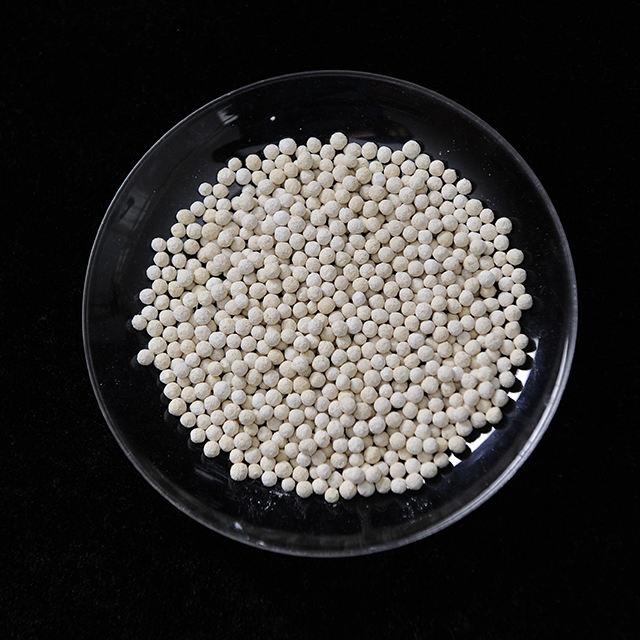
What Are the Top 10 Signs of Magnesium Deficiency in Crops?
Yellow leaves are one of the most misread symptoms in agriculture — and one of the most costly to misread. When older leaves turn yellow *between* green veins, the cause is usually magnesium deficiency, not nitrogen. This article lists the 10 field signs that give it away, explains how to correct it fast with magnesium sulfate(https://www.rongdafert.com/magnesium-sulfate), and shows how to keep it from coming back next season.
 19 2026-09
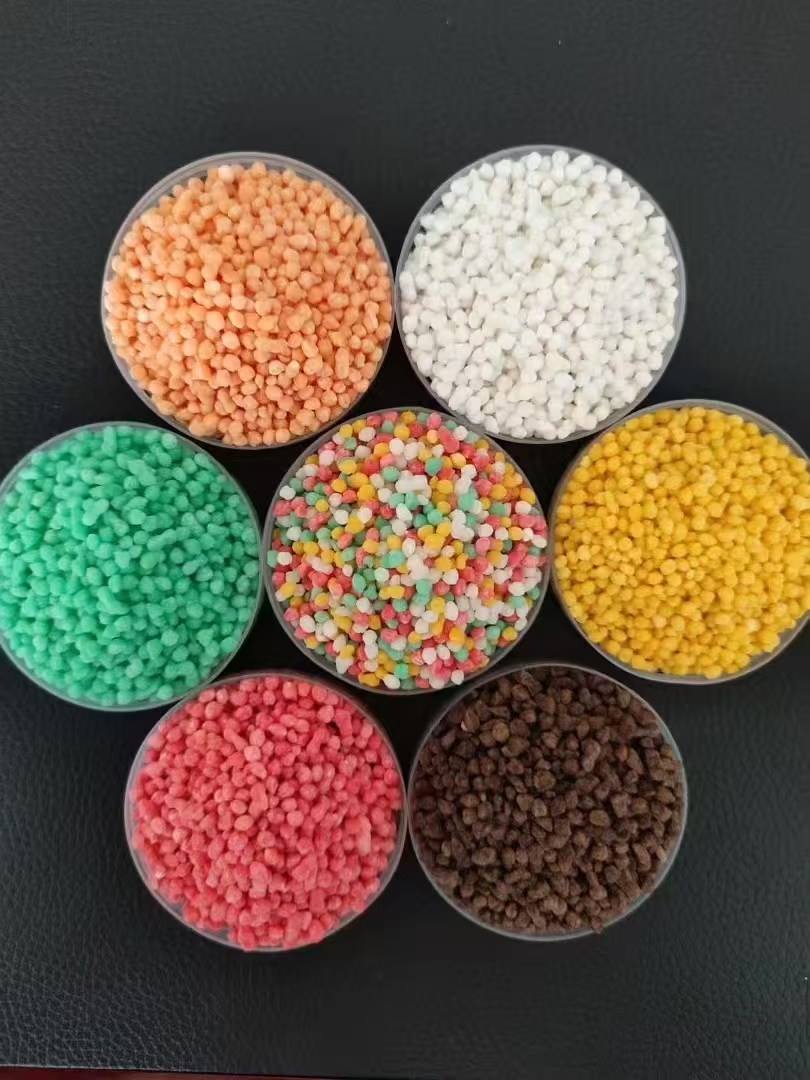
Why Do Modern Crops Need More Sulfur Than NPK Provides?
Modern fertilizer programs deliver nitrogen, phosphorus and potassium with precision, yet a fourth nutrient has quietly slipped into deficiency across the world's cropland: sulfur. Cleaner air means less free sulfur deposition, and higher yields mean more sulfur leaves the field in every harvest. This article explains why agricultural ammonium sulfate has become the most practical answer, and how to use it without disturbing your nitrogen balance.
 18 2026-09
How to Apply Magnesium Sulfate to Orchards, Vegetables & Field Crops?
Two growers can apply the same product and get opposite results. The difference is almost never the fertilizer itself — it is the method, the timing and the rate. This guide breaks down base dressing, fertigation and foliar spraying of [**agricultural magnesium sulfate**](https://www.rongdafert.com/magnesium-sulfate) for fruit trees, vegetables and field crops, with practical rates, the logic behind each method, and the four mistakes that waste the most money.
 17 2026-09
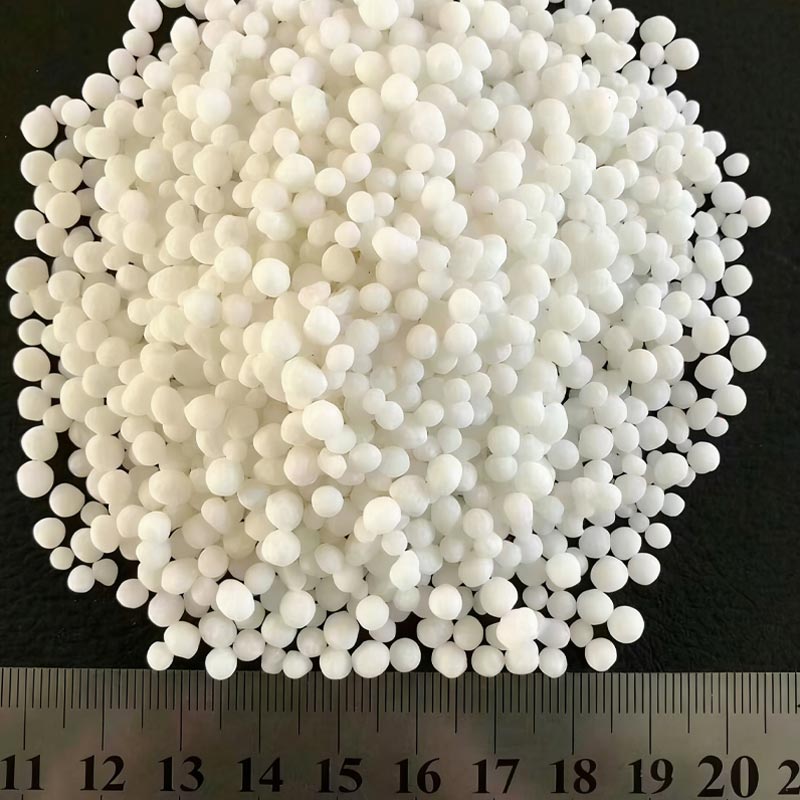
Is Calcium Ammonium Nitrate a Safer Nitrogen for Stressed Soils?
Not every field wants plain urea. Where soils are acidic, compacted or prone to leaching losses, calcium ammonium nitrate delivers nitrogen in a balanced, immediately available form while adding calcium to the root zone. This article explains how CAN works, which fields benefit most, and how to decide between CAN and urea.
 16 2026-09
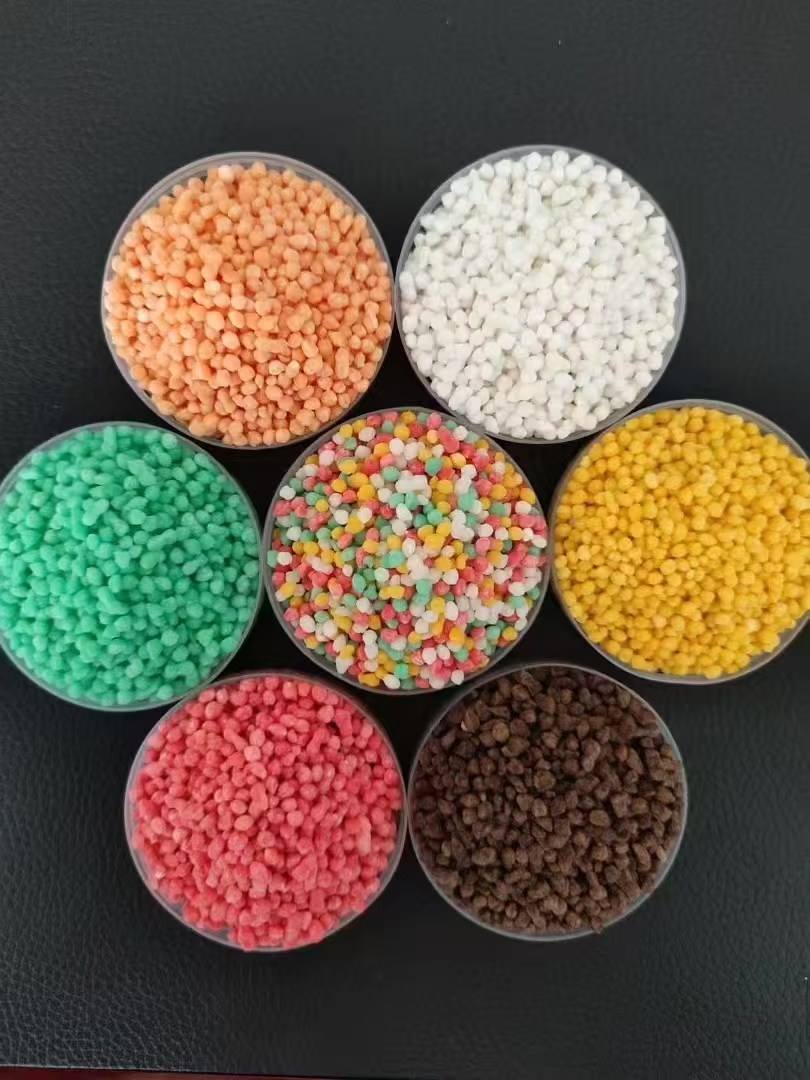
Why Is Magnesium Sulfate the Fourth Major Nutrient for High Yields?
Magnesium sits at the heart of every chlorophyll molecule and switches on more than 300 enzymes. When it runs short, photosynthesis slows down — and no amount of NPK can fully compensate. This guide explains what magnesium actually does, which crops and soils run out of it first, when to apply magnesium sulfate, and how to choose a product you can trust season after season.
 15 2026-09
Why Does Mixing Ammonium Sulfate With Alkaline Fertilizers Fail? What Are The Matching Principles?
Many growers tend to mix multiple fertilizers for one-time field application. However, mixing Ammonium Sulfate directly with alkaline fertilizers will cause nutrient loss and fertilizer failure, raising planting costs unnecessarily. Combined with years of field practice from Rongda, this article explains the underlying chemical mechanism of failed mixing between Ammonium Sulfate and alkaline fertilizers. This article sorts out the matching principles of Ammonium Sulfate to help growers avoid fertilization mistakes and ensure efficient absorption of nitrogen and sulfur nutrients.