
News
We are glad to share with you about the results of our work, company news, and give you timely developments and personnel appointment and removal conditions.
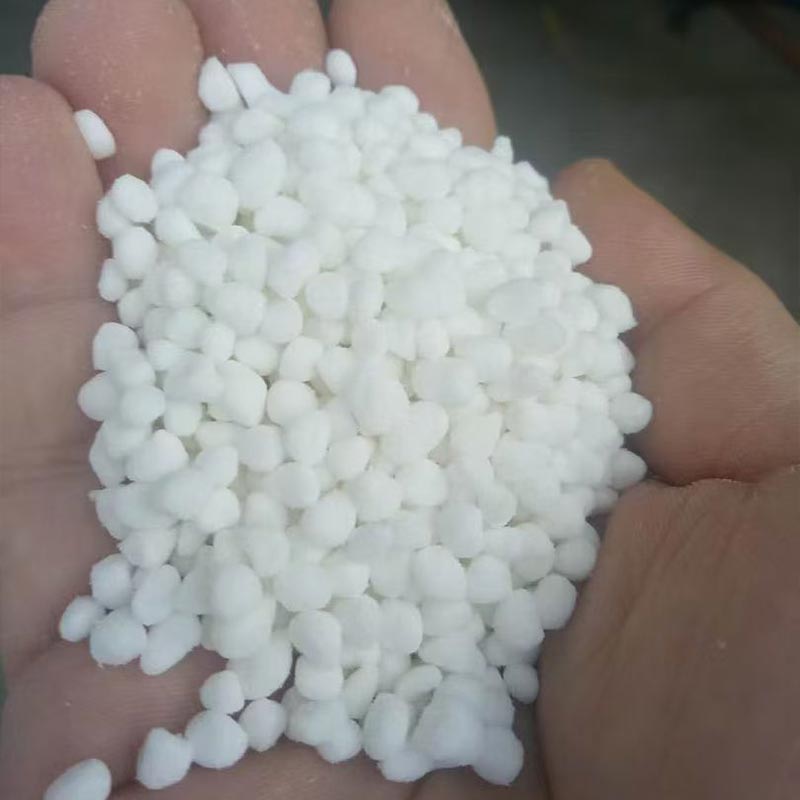
Potassium-rich Soil Easily Suppresses Magnesium Uptake: How to Apply Magnesium Sulfate to Avoid Potassium-Magnesium Antagonism?
Excessive potassium in farmland triggers potassium
magnesium antagonism, blocking magnesium uptake even with magnesium fertilizer applied. Learn how to use RONGDA magnesium sulfate with staggered fertilization and balanced nutrition strategies to prevent magnesium deficiency and protect crop yield.
 12 2026-10
 Why Is Urea Still the World's Default Nitrogen?
Urea carries 46% nitrogen in a bag - the highest analysis of any dry nitrogen fertilizer - and ships, stores and blends more cheaply than anything else in its class. It is also the nitrogen source most capable of quietly leaking money back into the air. This article explains why urea dominates, where the nitrogen actually goes, and how disciplined handling keeps all of it.
 10 2026-10
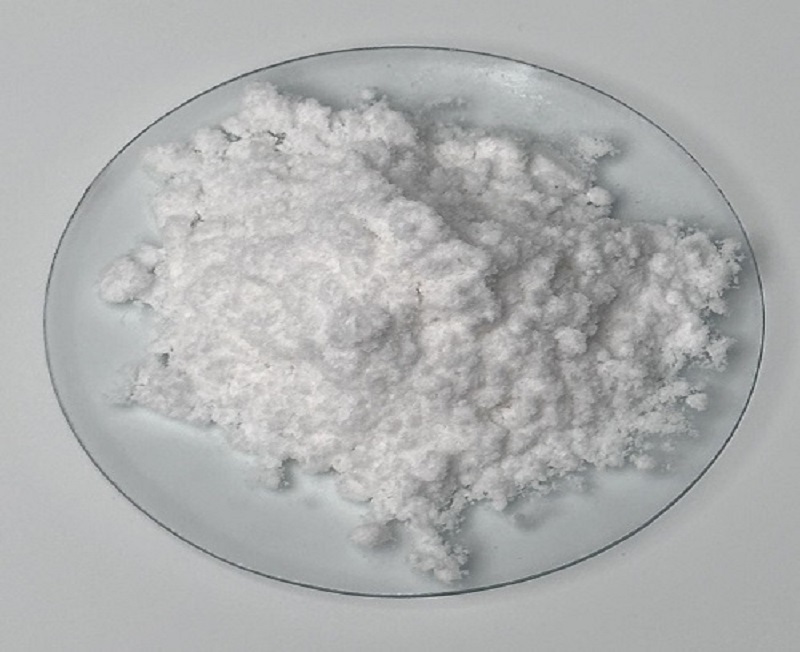
 Magnesium Deficiency & Yellow Leaves in Sandy Soil: How Can Monohydrate Magnesium Sulfate Supply Magnesium Rapidly?
Sandy soil suffers heavy magnesium leaching and crop interveinal yellow leaves. RONGDA monohydrate magnesium sulfate offers fast magnesium & sulfur supply. Learn practical foliar spray, drip irrigation and base fertilization plans, plus tips to avoid potassium
magnesium antagonism and nutrient loss for stable crop yield.
 09 2026-10
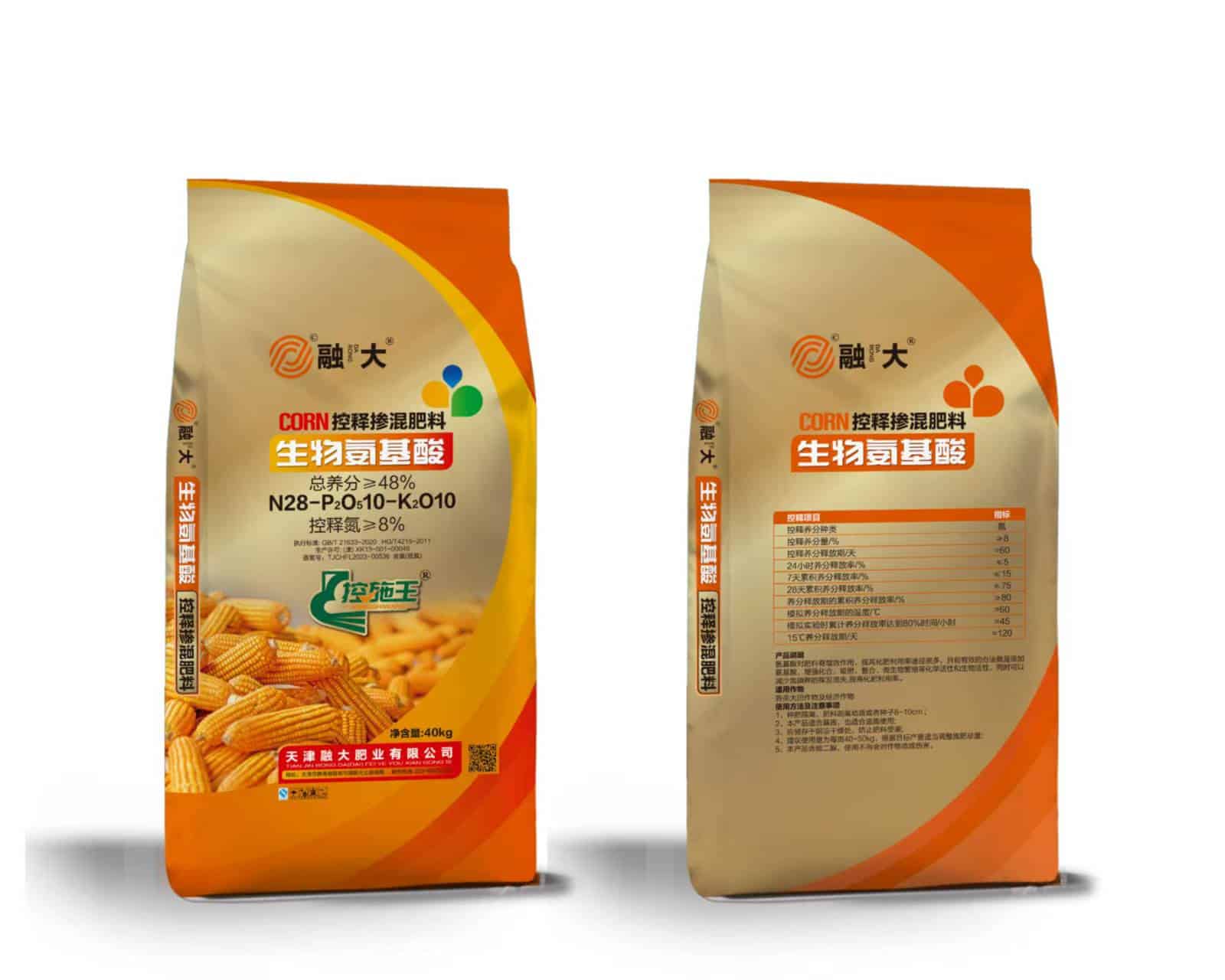
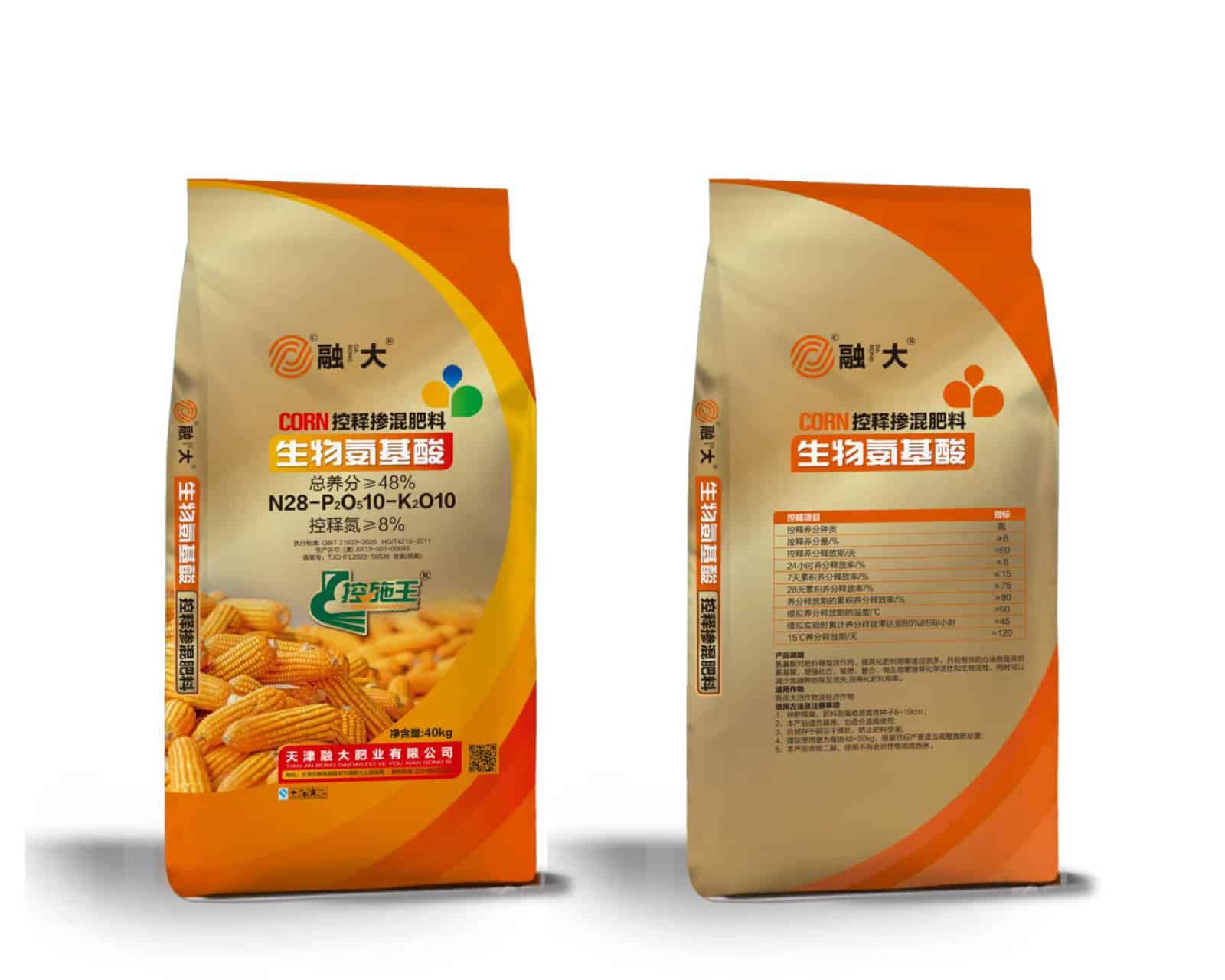
 How Do Controlled-Release Fertilizers Stretch Nitrogen Over Weeks?
A single dose of nitrogen either floods the soil faster than the crop can drink, or runs dry before the season ends. Controlled-release fertilizers solve the timing problem at the factory: coatings turn a bag of nitrogen into a metered supply that follows the crop's uptake curve. This article explains the mechanism, the economics, and where controlled release pays for itself.
 08 2026-10
 Poor Crop Growth in Continuous Cropping Fields. When Is the Right Time to Apply Calcium Magnesium Granules?
Fields with continuous cropping usually suffer from soil acidification, nutrient depletion and poor root development, resulting in weak crop growth. Calcium magnesium granules help replenish secondary nutrients and improve soil condition. Selecting the correct application period is critical to mitigate continuous cropping obstacles. This article introduces application timing and practical tips based on field experience.
 07 2026-10
 What Can Amino Acid Fertilizers Do for Stressed Crops?
When a crop is transplanted, hit by a cold snap or knocked back by hail, it needs more than another round of NPK. Amino acid fertilizers work on two fronts at once - as a nutrient carrier that improves uptake, and as a biostimulant that helps a stressed plant restart. Here is how they work and where they earn their place in a program.