

News
We are glad to share with you about the results of our work, company news, and give you timely developments and personnel appointment and removal conditions.
 06 2026-10
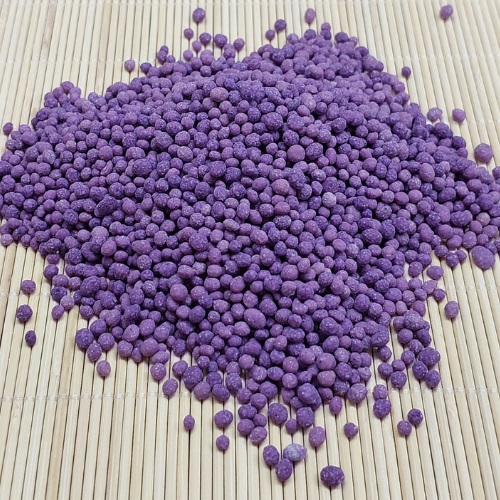
Fruit Cracking & Blossom End Rot: How Do Calcium-Magnesium Granules Work?
Frequent fruit cracking and blossom end rot are common physiological diseases in fruits and vegetables. Most growers keep applying calcium fertilizer but still face recurring problems. The root causes include unbalanced calcium and magnesium nutrients, insufficient photosynthetic supply and poor soil nutrient absorption. Rongda calcium-magnesium granules provide balanced calcium and magnesium supplementation, strengthen fruit skin, boost photosynthesis and improve soil environment, effectively preventing physiological diseases and stabilizing crop yield and quality.
 05 2026-10
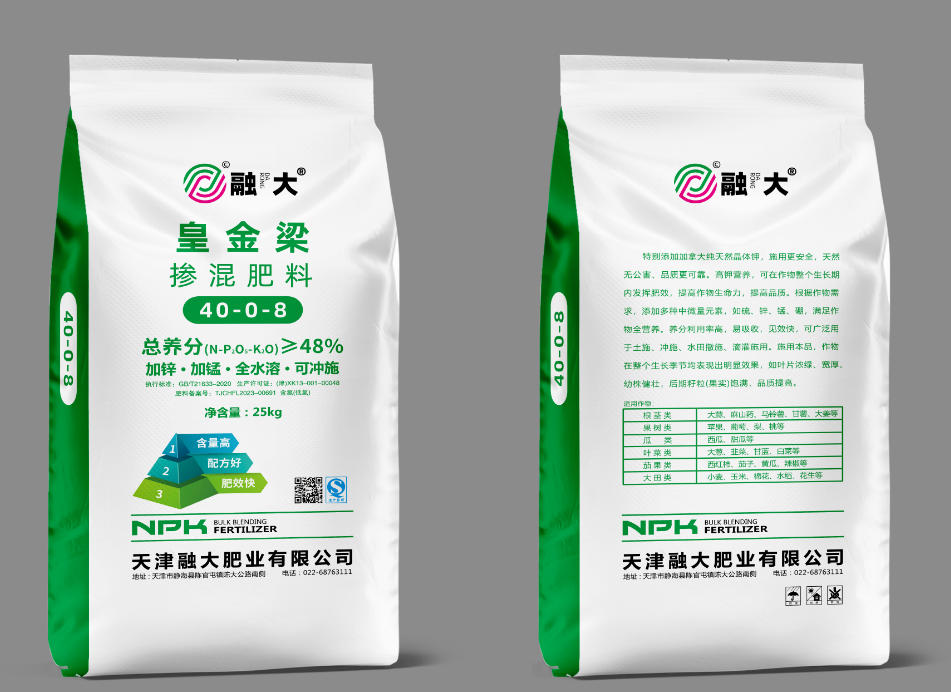
Why Are Blended Fertilizers Taking Over Modern Farmland?
Soil testing has gone from agronomy-course theory to standard practice, and soil-test-driven nutrition needs a fertilizer that can change shape field by field. That is exactly the promise of blended (BB) fertilizers. This article explains how they are made, why their share of the market keeps growing, and which quality checkpoints separate a good blend from a bad one.
 04 2026-10
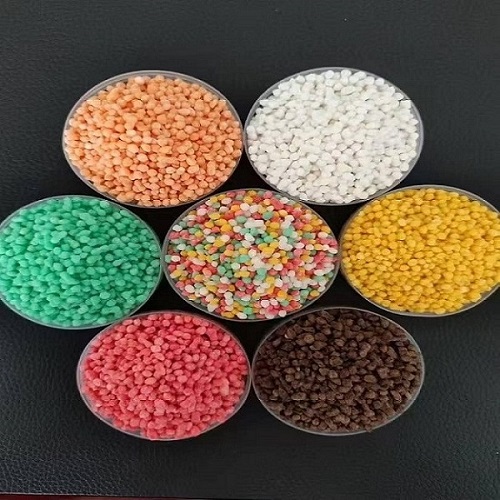
Soil Acidification & Calcium-Magnesium Granules: How to Balance Soil pH?
Continuous cropping, long-term application of acidic fertilizers and annual rain leaching constantly aggravate soil acidification. Excessively low soil pH destroys soil aggregate structure, inhibits beneficial microbial activity, immobilizes secondary nutrients, restricts root growth and causes frequent crop physiological diseases. Rongda calcium-magnesium granules serve as efficient soil amendment products, gently balancing soil pH, relieving soil compaction and supplementing calcium and magnesium to restore healthy farmland soil balance.
 23 2026-09
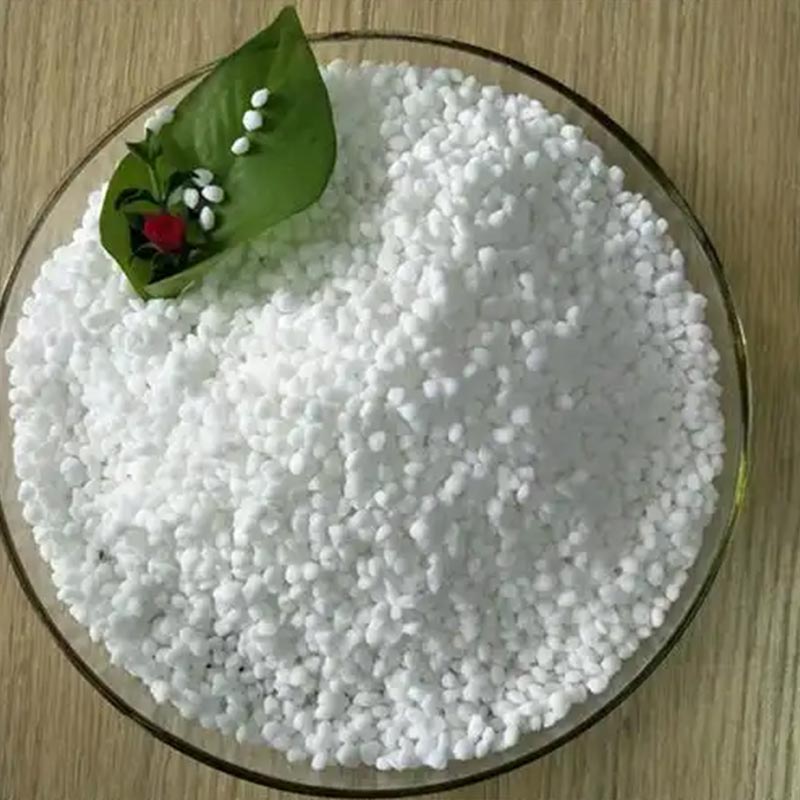
Why Do Rice Growers Keep Choosing Ammonium Chloride?
In many of the world's rice bowls, ammonium chloride has held its ground against trendier nitrogen sources for decades. That is not nostalgia - it is chemistry and economics working in the paddy's favor. This article explains what AC actually offers, which crops agree with it, and where it should stay out of the fertilizer plan.
 22 2026-09
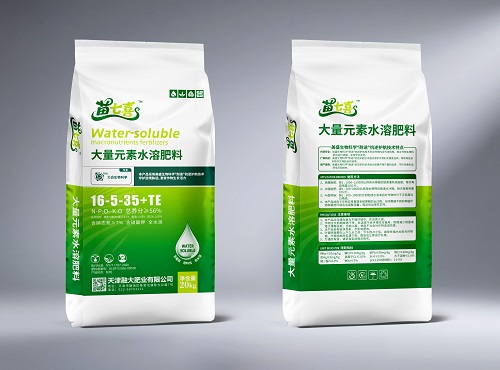
How Do Water-Soluble Fertilizers Feed Drip-Irrigated Crops?
Fertigation - feeding crops through the irrigation system - is the backbone of modern intensive farming, and water-soluble fertilizers are the fuel it runs on. This article explains how fully soluble NPK formulas work, why purity and solubility decide success in drip systems, and how to build a season-long program from standard blends.
 21 2026-09
What Can Calcium Magnesium Granules Do for Degraded and Acid Soils?
Soil acidification and structural decline are slow-moving problems that quietly cap yields long before they become visible. Calcium magnesium granules address both at once: calcium flocculates clay into a crumb structure, magnesium feeds the chlorophyll engine, and both nutrients buffer acidity. Here is how the mechanism works and how to build a program around it.