
Magnesium Sulfate Crystal, Powder and Granule: How Big Is the Difference in Application Effects?
Magnesium sulfate has 3 main forms: crystal, powder and granule. Though magnesium and sulfur nutrients are similar, they differ greatly in dissolution speed, leaching risk and operation convenience. Learn to select proper RONGDA magnesium sulfate for your farm and reduce nutrient waste.
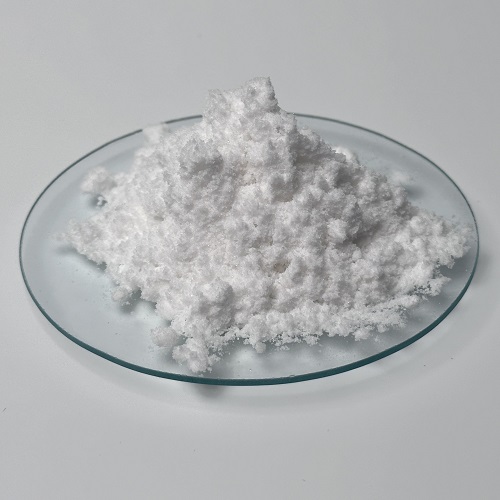
Table of Contents
1. What Are the Three Main Forms of Magnesium Sulfate
2. Physical Property Comparison of RONGDA Magnesium Sulfate in Different Forms
3. Application Effects & Suitable Scenarios for Each Form
4. Summary of Advantages, Disadvantages & Form Selection Guide
5. Practical Application Notes
1. What Are the Three Main Forms of Magnesium Sulfate
· Magnesium sulfate crystal: Transparent or white crystalline solid, the basic raw material form with stable moisture.
· Magnesium sulfate powder: Fine powder crushed from crystals. It has large specific surface area and dissolves rapidly in water.
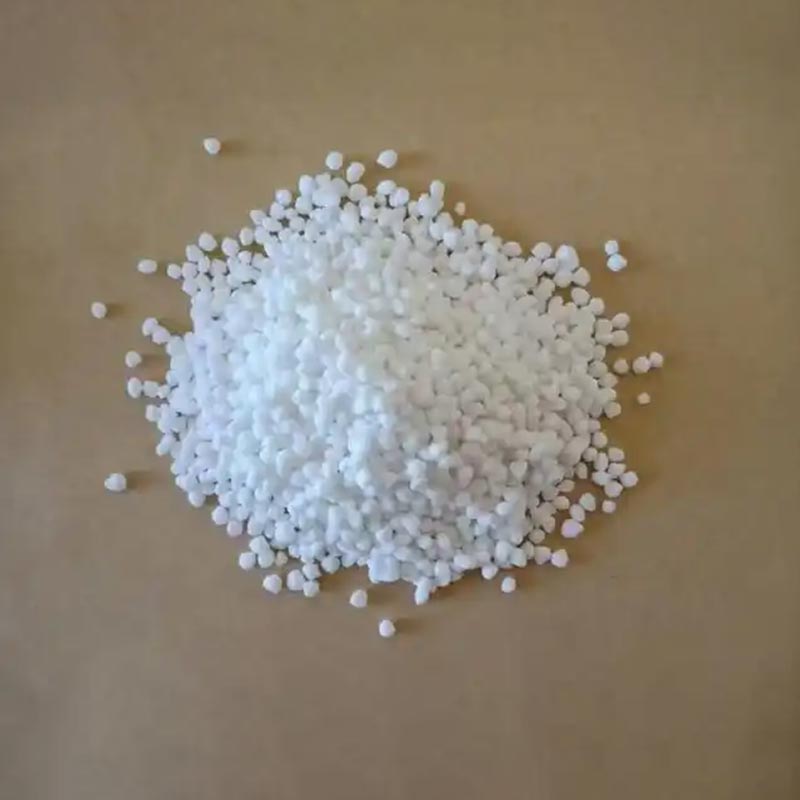
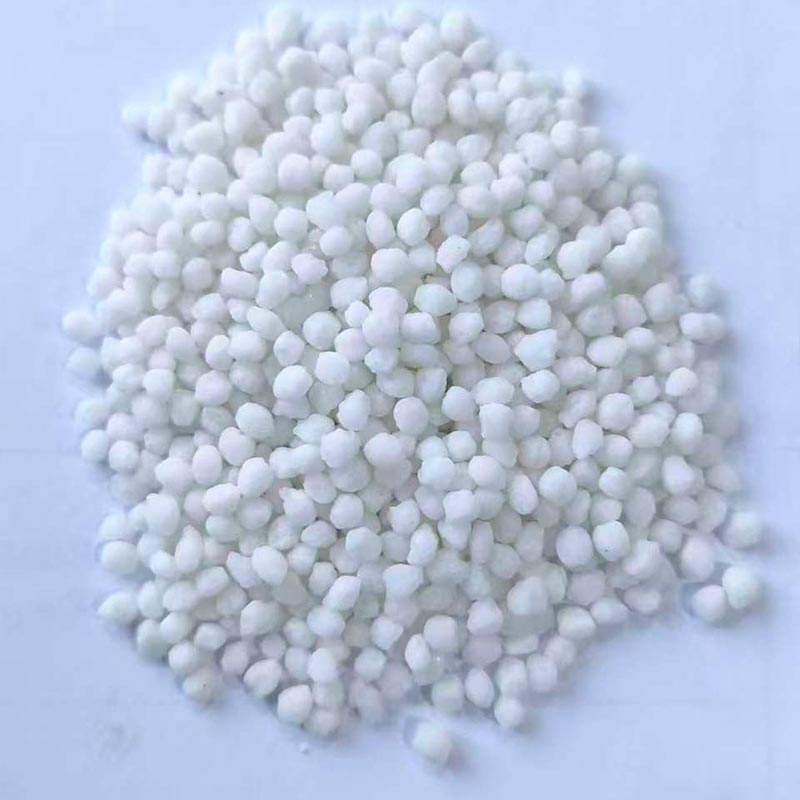
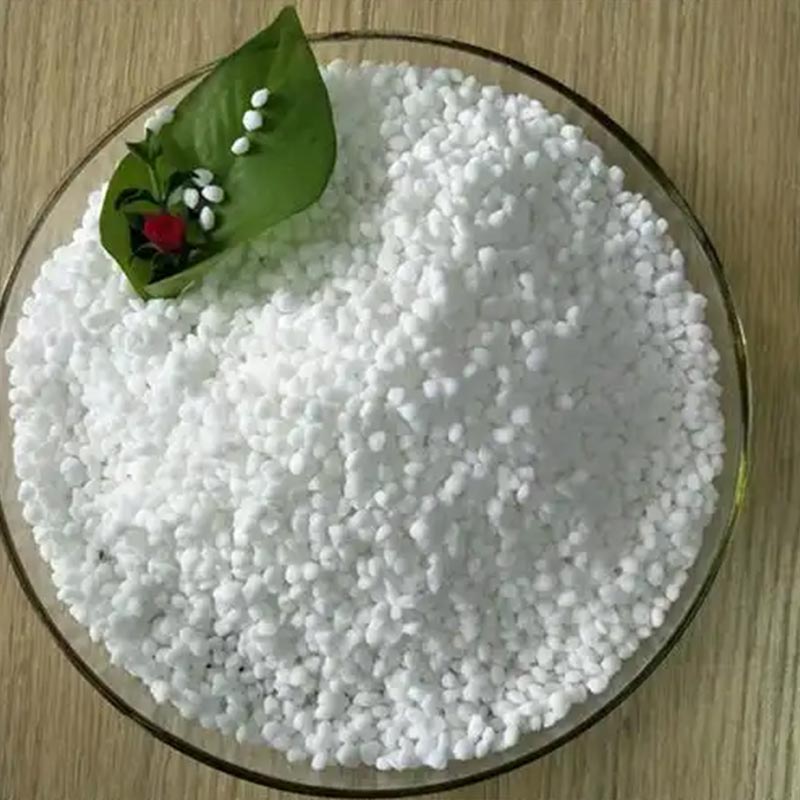
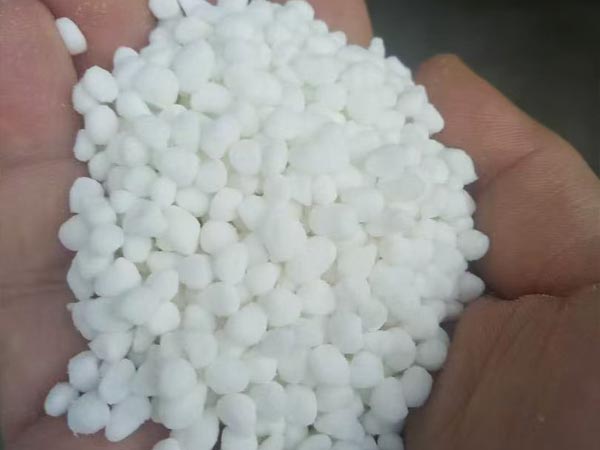
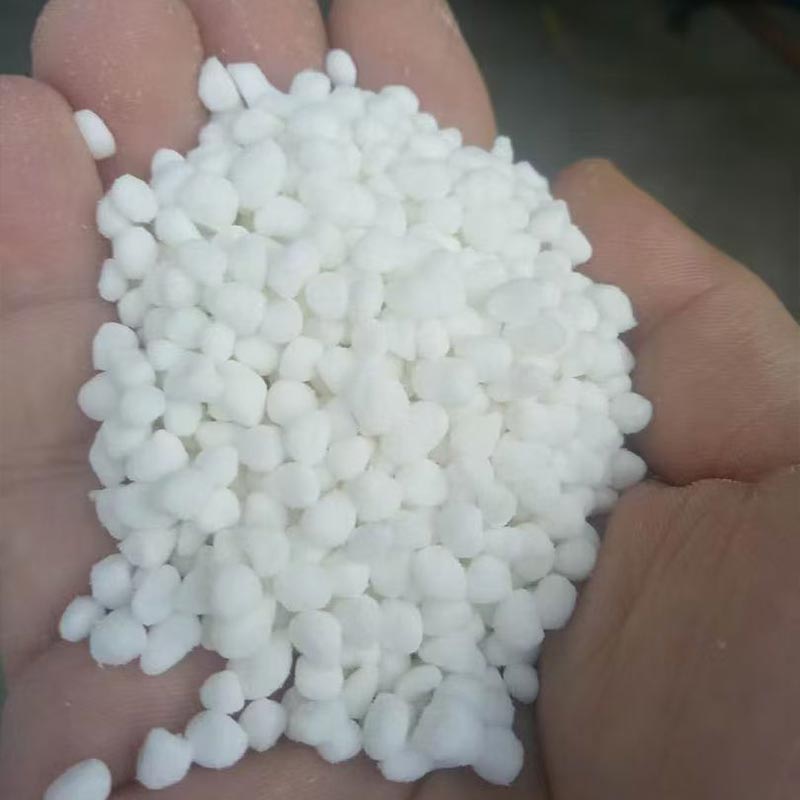
· Magnesium sulfate granule: Spherical pellets produced by granulation. Hard pellets with low dust, widely used as base fertilizer in orchards and field crops.
All three forms deliver magnesium and sulfur as core nutrients with similar theoretical nutrient content. The difference in application performance mainly comes from physical forms, which control dissolution rate, anti-caking performance and nutrient leaching risk.
2. Physical Property Comparison of RONGDA Magnesium Sulfate in Different Forms
RONGDA magnesium sulfate shares the same raw material source for all three forms with stable magnesium and sulfur content. Differences lie in physical features:
✅ Crystal magnesium sulfate: Regular crystal shape, medium flowability, low moisture absorption and good storage stability; moderate dissolution rate.
✅ Powder magnesium sulfate: High fineness, fastest dissolution. Magnesium ions release quickly once meeting water. The downside is heavy dust and easy caking under humid conditions, not suitable for direct broadcast application.
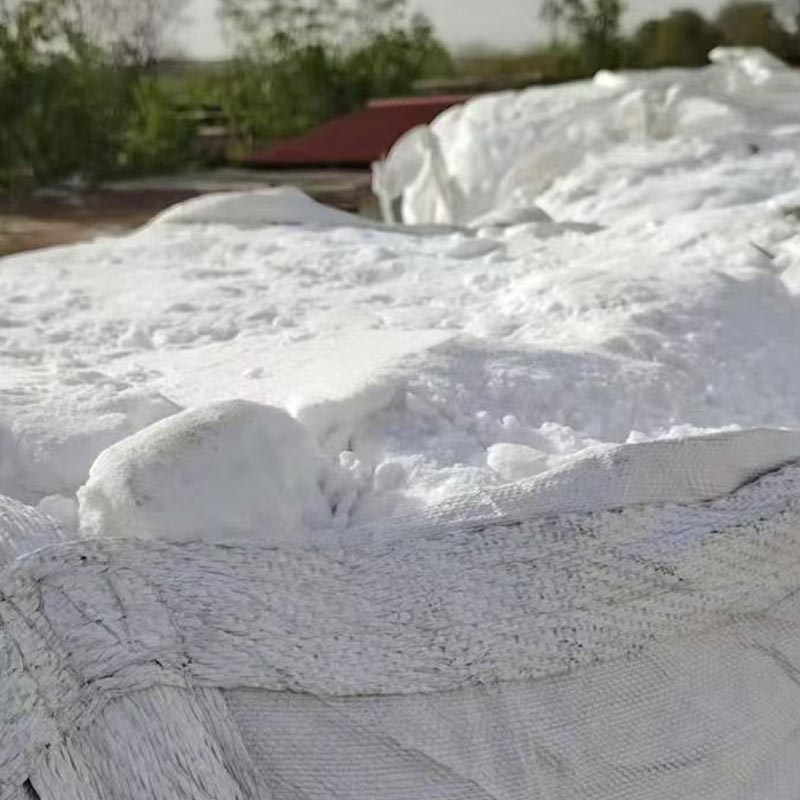
✅ Granular magnesium sulfate: Pelletized product with almost no dust and excellent flowability. It is ideal for bulk sea shipment and stacking. Nutrients release slowly for sustained supply and lower leaching risk.
3. Application Effects & Suitable Scenarios for Each Form
3.1 Powder magnesium sulfate: fast magnesium supply for drip irrigation and foliar spray
Fine powder dissolves quickly and releases magnesium ions rapidly. It is the top choice for drip fertigation, soil drench and foliar spray to rescue crops with magnesium deficiency yellow leaves.
Limitation: Poor performance for direct surface broadcasting. Powder dissolves quickly after rainfall, which triggers magnesium leaching in sandy soil. Nutrients wash down below root zone and fertilizer efficiency drops. Heavy dust also creates harsh working conditions for manual spreading.
Its dissolution speed sits between powder and granule. It works well for water-soluble fertilization on small farms and simple broadcast application followed by irrigation.
Limitation: Medium flowability may cause uneven feeding during mechanical fertilization. Crystals tend to break into fine powder under pressure during long-distance bulk sea transport.
The pellet structure breaks down gradually in soil and releases magnesium slowly without sudden ion spike. When applied as base fertilizer, it continuously supplies magnesium for root uptake and greatly reduces magnesium leaching. It performs outstandingly on sandy soil and high-potassium fields. Granules fit large fertilizer spreaders with zero dust, friendly for mechanical farm operation. Pellets resist crushing during bulk sea transport and storage caking.
Limitation: Not suitable for emergency foliar spray. Pre-soaking is required if used in drip irrigation due to relatively slow dissolution.
4. Summary of Advantages, Disadvantages & Form Selection Guide
· Emergency magnesium correction, drip irrigation and foliar spray → Powder magnesium sulfate, fast-acting for deficiency rescue.
· Water-soluble fertilization and small-scale field application → Crystal magnesium sulfate, cost balanced option.
· Base fertilization for orchards & field crops, mechanical spreading, export shipment, long-term magnesium supplement on sandy soil → Granular magnesium sulfate, slow-release nutrient retention, low dust and stable storage.
Important note: The three forms do not differ in nutrient content, but nutrient release speed and applicable scenarios. Wrong form selection leads to nutrient loss and unsatisfactory fertilization effect even with qualified magnesium content.
5. Practical Application Notes
1. When dissolving powder magnesium sulfate, add material while stirring to avoid local high concentration. Maintain 0.2%~0.3% dilution rate for foliar spray and avoid spraying under high noon temperature.
2. Filter fully dissolved crystal magnesium sulfate before feeding into drip systems to prevent drip emitter blockage by tiny crystal residues.
3. Mix granular magnesium sulfate into soil during land preparation. Avoid leaving pellets exposed on the soil surface for long time to prevent nutrient loss by rain wash.
4. For bulk magnesium sulfate export orders, evaluate dust and caking risk. RONGDA granular magnesium sulfate is more suitable for long-distance sea transportation.
Conclusion
Crystal, powder and granular magnesium sulfate contain similar core nutrients, but they vary greatly in nutrient release rate, leaching risk and field operation convenience. Powder delivers fast nutrition for fertigation and emergency correction. Crystal suits water-soluble fertilization for small farms. Granules offer slow-release protection against leaching, low dust and compatibility with mechanical base fertilization and foreign trade shipment. When purchasing, select the right form of RONGDA magnesium sulfate according to soil type, fertilization method and storage & transport conditions, to maximize magnesium fertilizer efficiency and cut fertilization cost.
Related News
- Which Magnesium Sulfate Fits Your Ground?
- Can Foliar Spraying Magnesium Sulfate During Fruit Expansion Improve Fruit Sweetness?
- How Do You Judge a Blended Fertilizer Before You Buy It?
- Magnesium Deficiency & Premature Aging in Greenhouse Vegetables: Soil Drench vs Foliar Spray of Magnesium Sulfate
- Which Water-Soluble NPK Formula Fits Each Growth Stage?
- What is the difference between Magnesium Sulfate and Calcium Magnesium Granules? When to Use Them Together?
Leave me a message