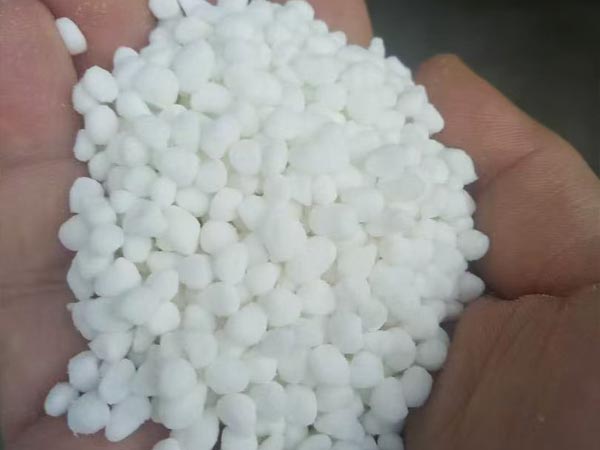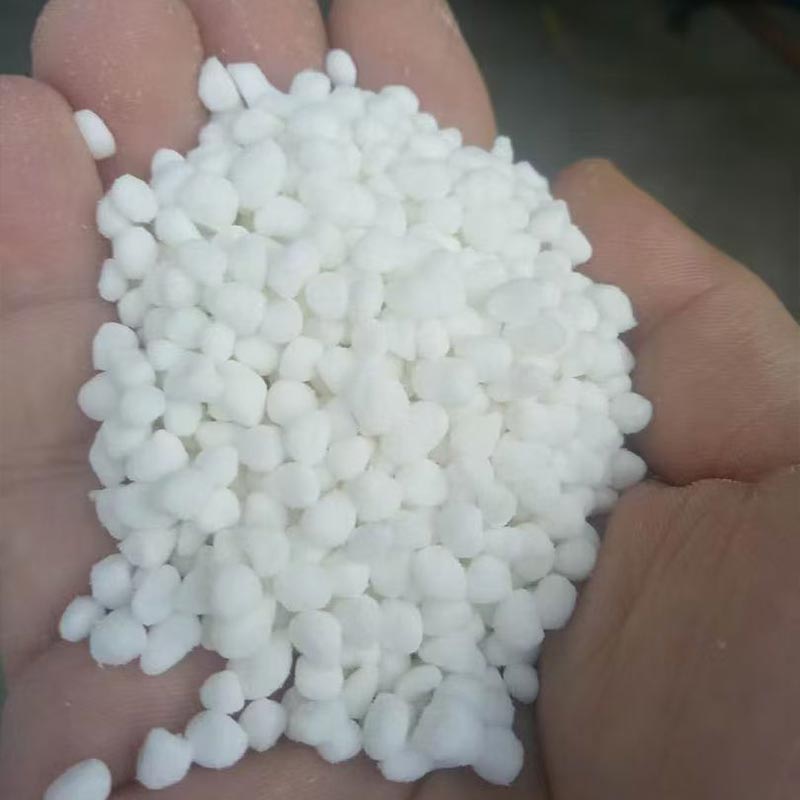

Poor Crop Growth in Continuous Cropping Fields. When Is the Right Time to Apply Calcium Magnesium Granules?
Fields with continuous cropping usually suffer from soil acidification, nutrient depletion and poor root development, resulting in weak crop growth. Calcium magnesium granules help replenish secondary nutrients and improve soil condition. Selecting the correct application period is critical to mitigate continuous cropping obstacles. This article introduces application timing and practical tips based on field experience.

Table of Contents
1. Multiple Planting Challenges Caused by Continuous Cropping
2. Core Benefits of Calcium Magnesium Granules for Continuous Cropping Soil
3. Optimal Application Periods & Application Methods
4. Key Notes for Applying Calcium Magnesium Granules in Continuous Cropping Land
5. Supporting Management to Boost Soil Improvement
1. Multiple Planting Challenges Caused by Continuous Cropping
Repeated planting of the same crop leads to serious continuous cropping obstacles. Crops keep consuming calcium, magnesium and other secondary nutrients, creating nutrient imbalance. Root exudates accumulate year by year. Long-term chemical fertilizer application also triggers soil acidification and destroys soil aggregate structure.
Common symptoms in continuous cropping fields include uneven seedling emergence, stunted root systems, dwarf plants, chlorotic leaves, and physiological disorders such as blossom-end rot and fruit cracking. Even with heavy NPK fertilization, yield remains low. Many farmers only focus on nitrogen topdressing while ignoring calcium and magnesium, so continuous cropping problems keep recurring.
2. Core Benefits of Calcium Magnesium Granules for Continuous Cropping Soil
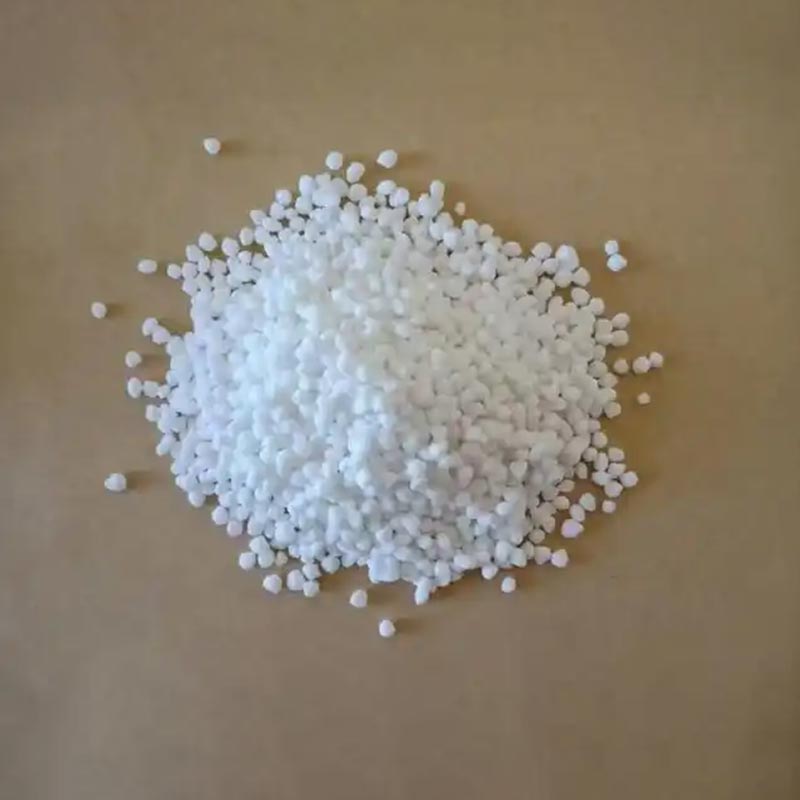
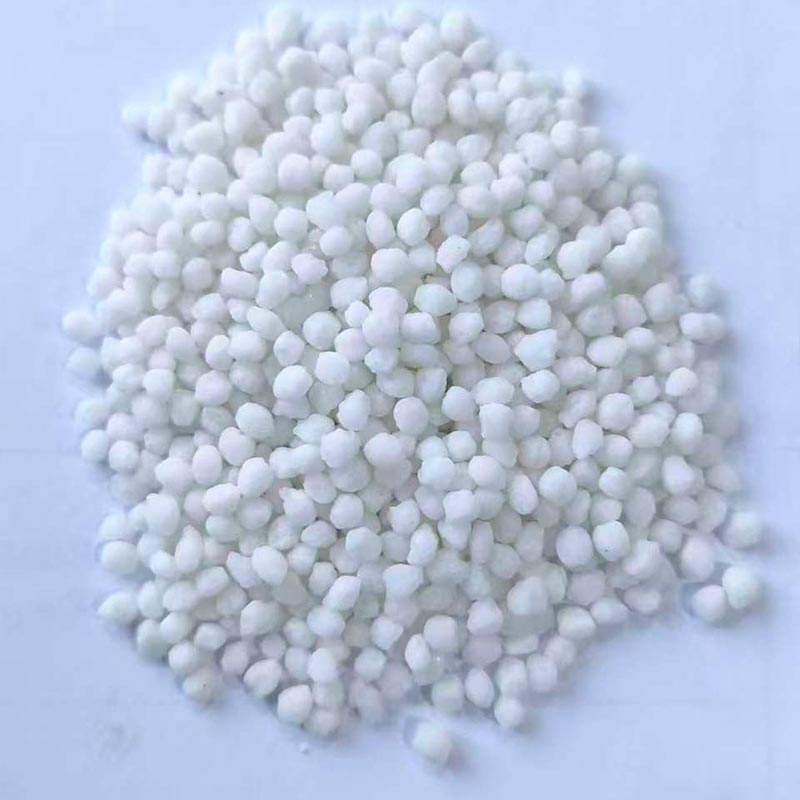
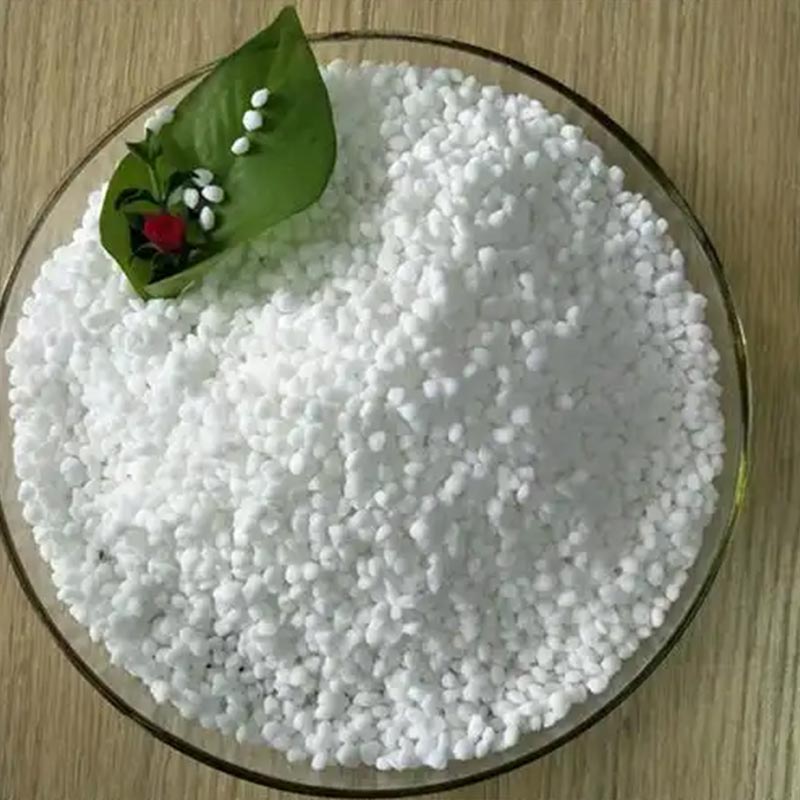
Calcium strengthens cell walls, improves crop stress resistance, reduces physiological diseases and stimulates root growth. Magnesium is the core component of chlorophyll, supporting photosynthesis and nutrient uptake. The granular carrier releases nutrients slowly, neutralizes soil acidity, adjusts soil pH and rebuilds soil aggregates, alleviating root damage caused by toxic substances accumulated from continuous cropping.
Compared with water-soluble calcium and magnesium fertilizers, calcium magnesium granules feature a longer nutrient release period. They are ideal as base fertilizer for long-term soil conditioning and nutrient supplementation.
3. Optimal Application Periods & Application Methods
✅ Best Period: Base Fertilizer before Sowing / Transplanting (10–15 days in advance)
This is the most recommended timing for continuous cropping fields. Spread calcium magnesium granules evenly during land preparation and incorporate them deep into soil by ploughing. Applied in advance, the granules release nutrients gradually, improve soil environment and protect young roots from continuous cropping damage starting at seedling stage.
Recommended dosage: 20–40 kg per acre, use higher dosage for heavily acidified continuous cropping soil.
✅ Alternative Period: Post-harvest fallow period for soil remediation
After harvesting the previous crop, clean the field and spread calcium magnesium granules before tillage. The fallow window allows soil remediation. It neutralizes acidity and replenishes calcium and magnesium consumed by the previous crop, reducing continuous cropping risks for the next growing season as a long-term soil improvement strategy.
❌ Not recommended: Late growing stage as topdressing
Calcium magnesium granules release nutrients slowly. If crops already show nutrient deficiency symptoms in mid-to-late growth stages, water-soluble calcium and magnesium fertilizers are preferred. Granules cannot deliver fast correction.
4. Key Notes for Applying Calcium Magnesium Granules in Continuous Cropping Land
1. Do not mix and bury together with strong acid fertilizers or high-phosphorus fertilizers. Phosphorus easily reacts with calcium and forms precipitates, lowering calcium availability.
2. Deep ploughing and uniform mixing are required after spreading. Granules left on the soil surface cannot work effectively in root zones.
3. Calcium magnesium granules are secondary nutrient fertilizers and cannot replace NPK base fertilizer. Compound fertilizer is required for balanced nutrition supply.
4. For fields with severe soil-borne diseases, combine calcium magnesium granules with microbial inoculants for synergistic soil restoration.
5. Supporting Management to Boost Soil Improvement
Calcium magnesium granules address soil acidification and calcium-magnesium deficiency, but continuous cropping is a complex issue. It is advised to add organic matter to raise soil organic content, adopt reasonable crop rotation, and test soil pH & nutrients regularly to adjust fertilization plans. After 2–3 consecutive growing seasons of application, soil physical and chemical properties will be greatly improved, with better crop vigor and stress resistance.
Related News
- Which Magnesium Sulfate Fits Your Ground?
- Can Foliar Spraying Magnesium Sulfate During Fruit Expansion Improve Fruit Sweetness?
- How Do You Judge a Blended Fertilizer Before You Buy It?
- Magnesium Deficiency & Premature Aging in Greenhouse Vegetables: Soil Drench vs Foliar Spray of Magnesium Sulfate
- Which Water-Soluble NPK Formula Fits Each Growth Stage?
- What is the difference between Magnesium Sulfate and Calcium Magnesium Granules? When to Use Them Together?
Leave me a message