
What Can Calcium Magnesium Granules Do for Degraded and Acid Soils?
Soil acidification and structural decline are slow-moving problems that quietly cap yields long before they become visible. Calcium magnesium granules address both at once: calcium flocculates clay into a crumb structure, magnesium feeds the chlorophyll engine, and both nutrients buffer acidity. Here is how the mechanism works and how to build a program around it.

In this article
- Two Nutrients, One Soil Problem
- What Changes in the Field
- Building a Program: Rates and Timing
- Where This Approach Shines
- Frequently Asked Questions
- Conclusion
Two Nutrients, One Soil Problem
Continuous cropping, ammonium-based nitrogen and rainfall all push soil pH downward. As acidity rises, aluminum and manganese become soluble enough to poison root tips, and beneficial biology slows. Concurrently, repeated harvests export calcium and magnesium from the exchange complex faster than most programs replace them.
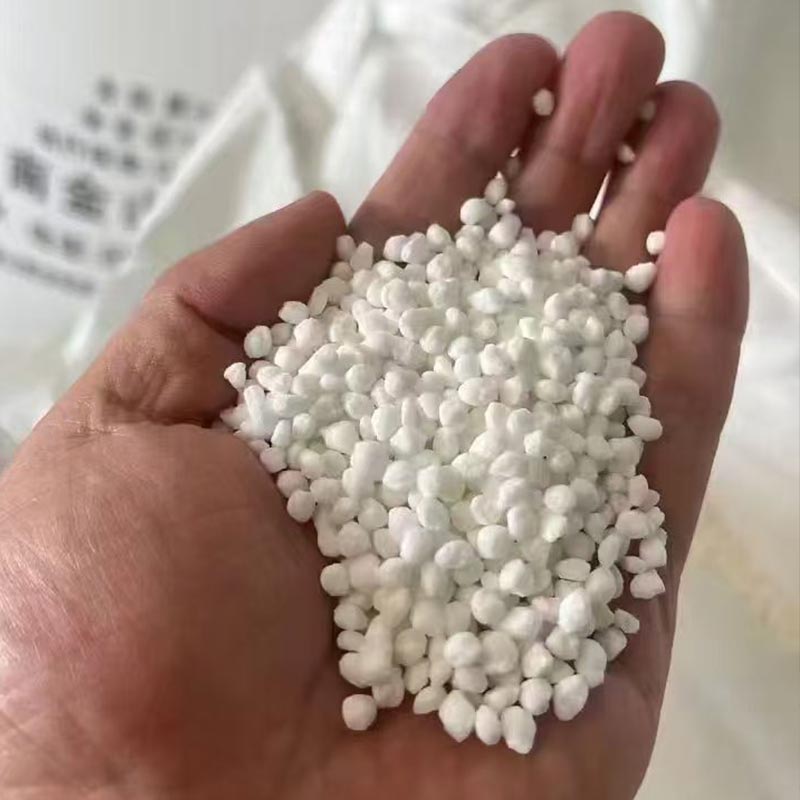
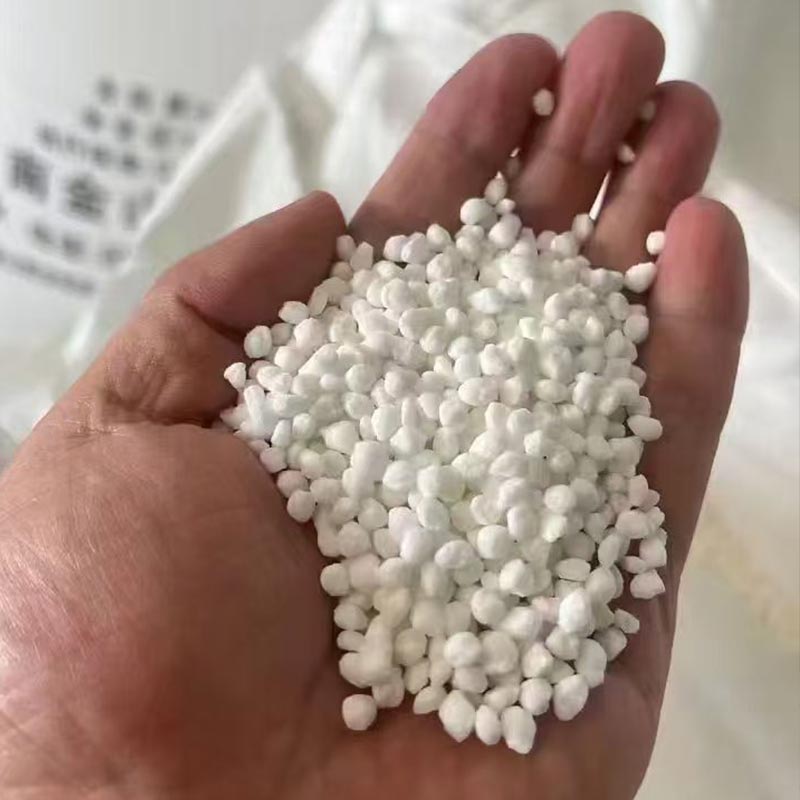
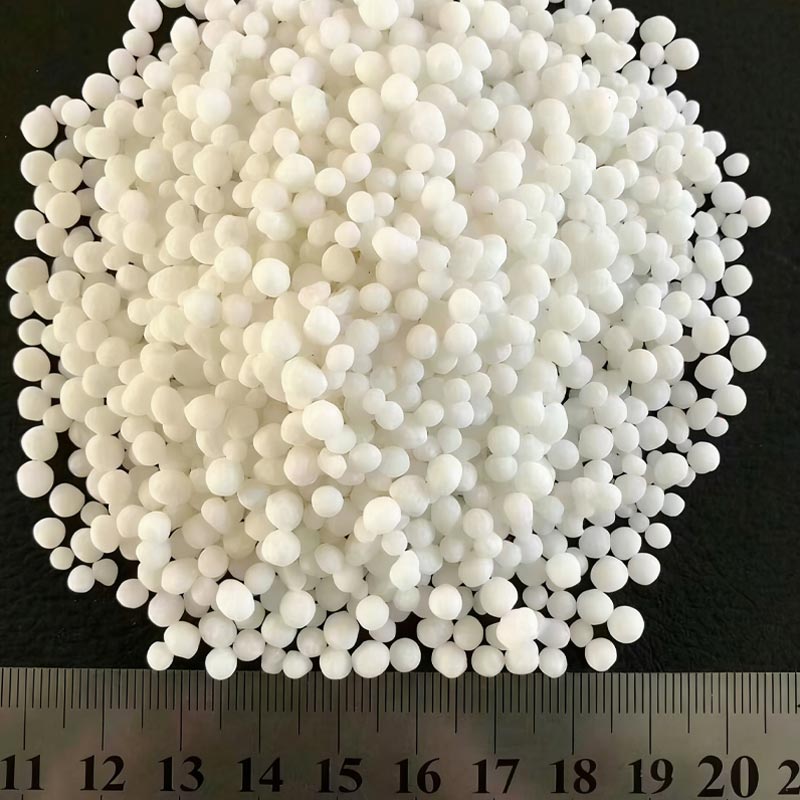
A granular calcium-magnesium product tackles the twin deficit in one pass. The calcium fraction displaces exchangeable aluminum and rebuilds clay flocculation - the first step back to a crumbly, well-aerated soil. The magnesium fraction refills the exchange sites that chlorophyll production depends on. Depending on the raw material, these products typically analyze in the range of 20-25% CaO and 15-20% MgO.
What Changes in the Field
- Structure: flocculated clay drains better after rain and holds moisture longer in drought - the same profile growers chase with gypsum, but with magnesium included.
- Roots: neutralized aluminum toxicity lets roots explore the full profile instead of flattening out in the top 10 cm.
- Leaves: rebuilt magnesium reserves correct the interveinal yellowing that calcium-only liming materials leave behind.
- Nutrient uptake: a healthier pH range improves availability of phosphorus and micronutrients already in the soil.
Because the granules release their nutrients progressively, one application per season or per rotation is usually enough - a clear operational advantage over multiple split sprays.
Building a Program: Rates and Timing
Base rates depend on how acidic and how magnesium-depleted the soil is. As a starting frame: 300-600 kg/ha for maintenance on mildly acidic soils, and 750-1500 kg/ha as a corrective dressing where pH has dropped below target - always confirmed by soil test. On strongly acid soils, consult the full lime requirement rather than relying on the granules alone.
- Timing: apply before planting or after harvest, so rain and tillage can work the product into the root zone.
- Placement: broadcast and incorporate for field crops; band or ring-apply under the drip line for orchards.
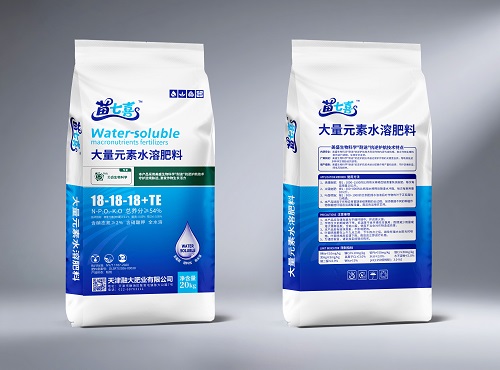
- Integration: the granules complement - not replace - water-soluble magnesium sulfate for fast in-season correction.
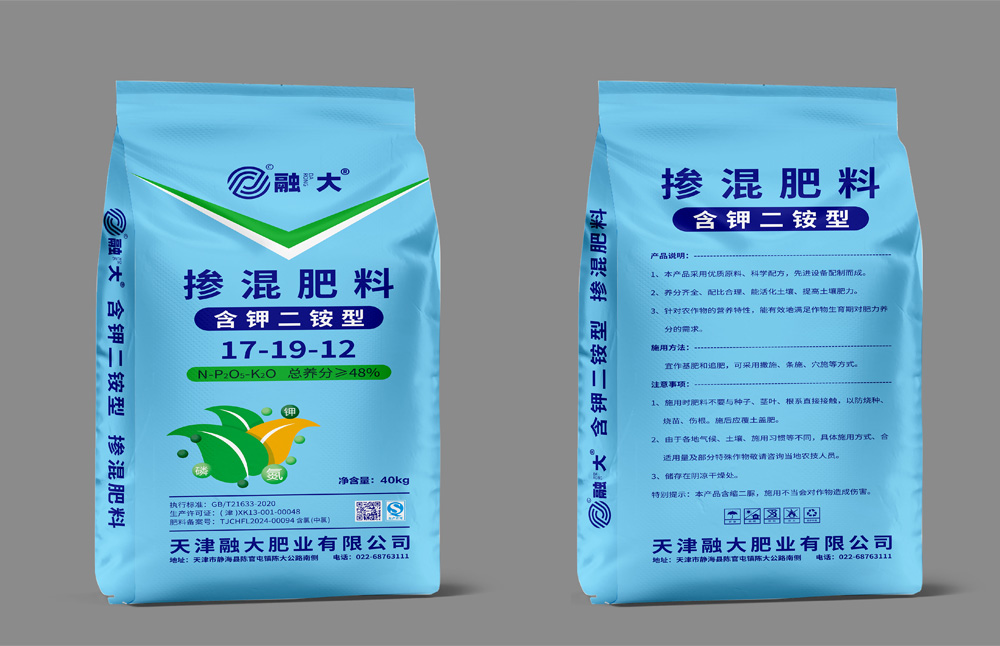
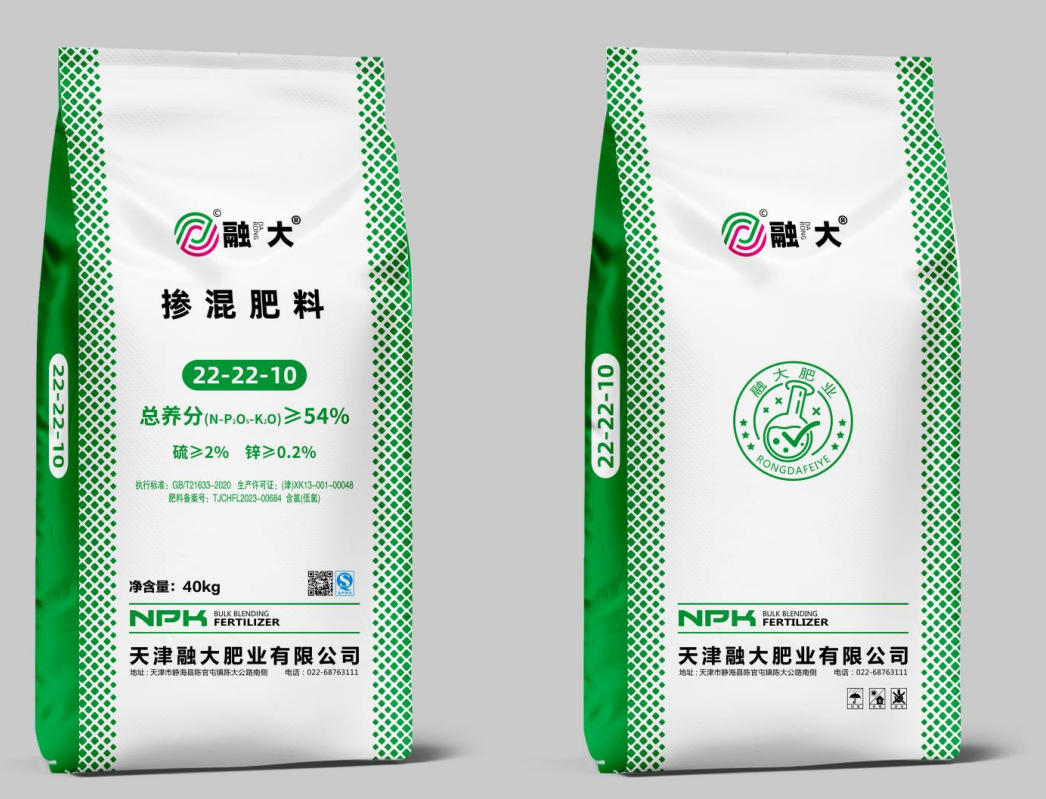
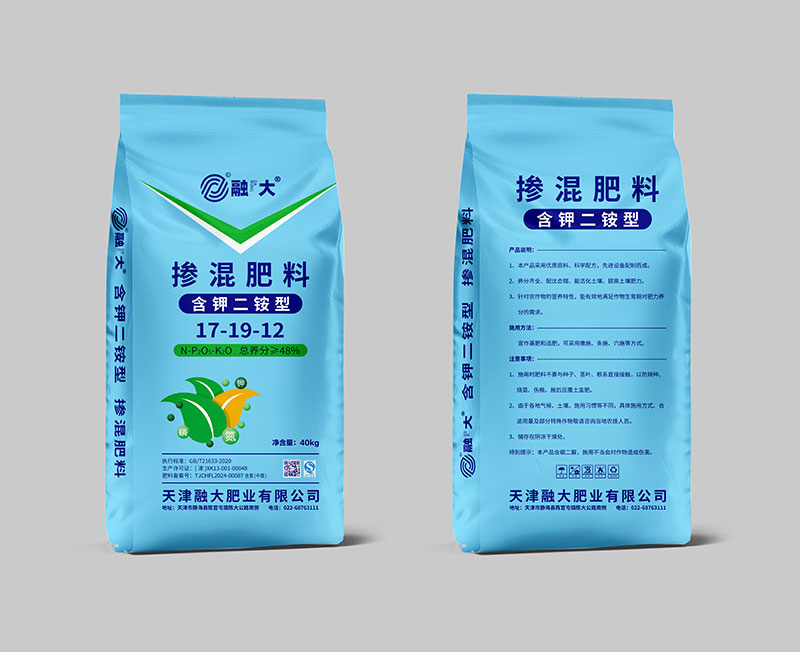
A representative product page is calcium magnesium granular fertilizer, supplied in woven bags and jumbo bags for bulk programs.
Where This Approach Shines
- Continuous-cropping greenhouses where acidity and compaction arrive together.
- Orchards on red or sandy soils showing both aluminum-stressed roots and magnesium-hungry leaves.
- Fields under high-potassium programs that need the K:Mg:Ca balance restored, not just magnesium added.
Frequently Asked Questions
Q1: Are calcium magnesium granules a substitute for lime?
Partially. They correct mild to moderate acidity while supplying both nutrients, but strongly acid soils may still need a full agricultural-lime program to reach the target pH. Use soil test results to size each component.
Q2: Can they be mixed with NPK blends?
Yes - the granules blend physically and chemically with most NPK formulas, which is one of their main advantages for bulk blending. Keep the blend dry to protect granule integrity.
Q3: How fast do the granules work?
Structural and pH effects build over weeks to a season as the granules dissolve into the root zone; the magnesium fraction becomes crop-available as it dissolves. For visible leaf symptoms inside two weeks, use a water-soluble magnesium sulfate spray instead.
Q4: What packaging is available?
Standard export packing is 25/50 kg woven bags or 500/1000 kg jumbo bags, matching the rest of the Rongda granular fertilizer line.
Conclusion
Degraded soil is a systems problem, and the granular calcium-magnesium approach is a systems answer: one application that rebuilds structure, buffers acidity and refills two exchange nutrients at once. Confirm the rate with a soil test, time it with the rotation, and the soil starts paying back within the same season.
If you are looking for a reliable fertilizer supplier that offers consistent quality and professional support,Tianjin Rongda Fertilizer Co., Ltd. is ready to help. Contact us today to learn how our fertilizer solutions can improve your agricultural productivity.
Related News
- How Do Water-Soluble Fertilizers Feed Drip-Irrigated Crops?
- What Are the Top 10 Signs of Magnesium Deficiency in Crops?
- Why Do Modern Crops Need More Sulfur Than NPK Provides?
- How to Apply Magnesium Sulfate to Orchards, Vegetables & Field Crops?
- Is Calcium Ammonium Nitrate a Safer Nitrogen for Stressed Soils?
- Why Is Magnesium Sulfate the Fourth Major Nutrient for High Yields?
Leave me a message