
Why Are Blended Fertilizers Taking Over Modern Farmland?
Soil testing has gone from agronomy-course theory to standard practice, and soil-test-driven nutrition needs a fertilizer that can change shape field by field. That is exactly the promise of blended (BB) fertilizers. This article explains how they are made, why their share of the market keeps growing, and which quality checkpoints separate a good blend from a bad one.
In this article
- What Is a Blended (BB) Fertilizer?
- Why the Model Keeps Growing
- Quality Checkpoints: Good BB vs. Bad BB
- Where BB Fits Best
- Frequently Asked Questions
- Conclusion
What Is a Blended (BB) Fertilizer?
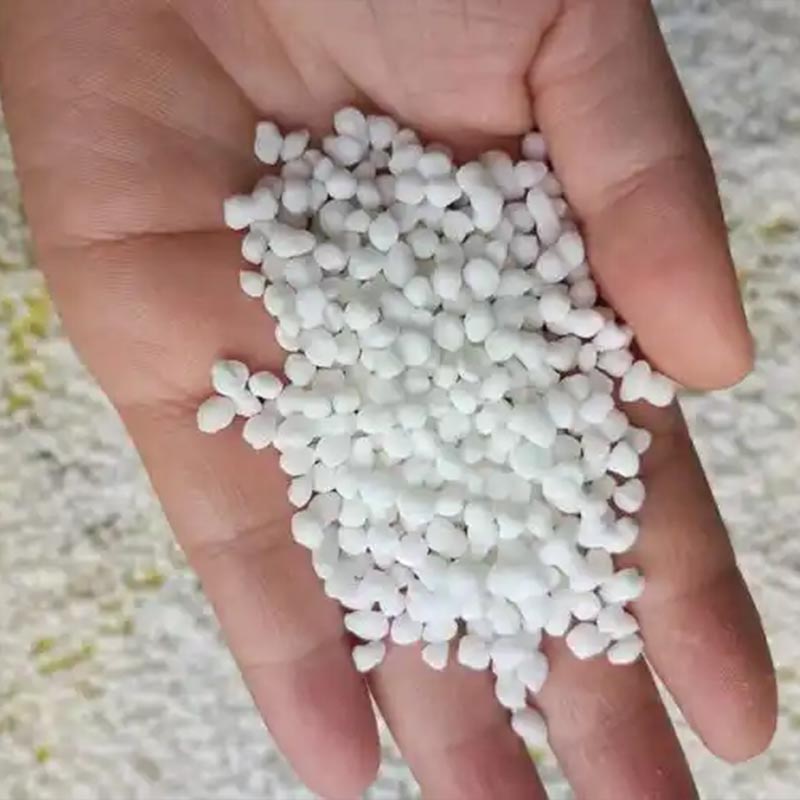
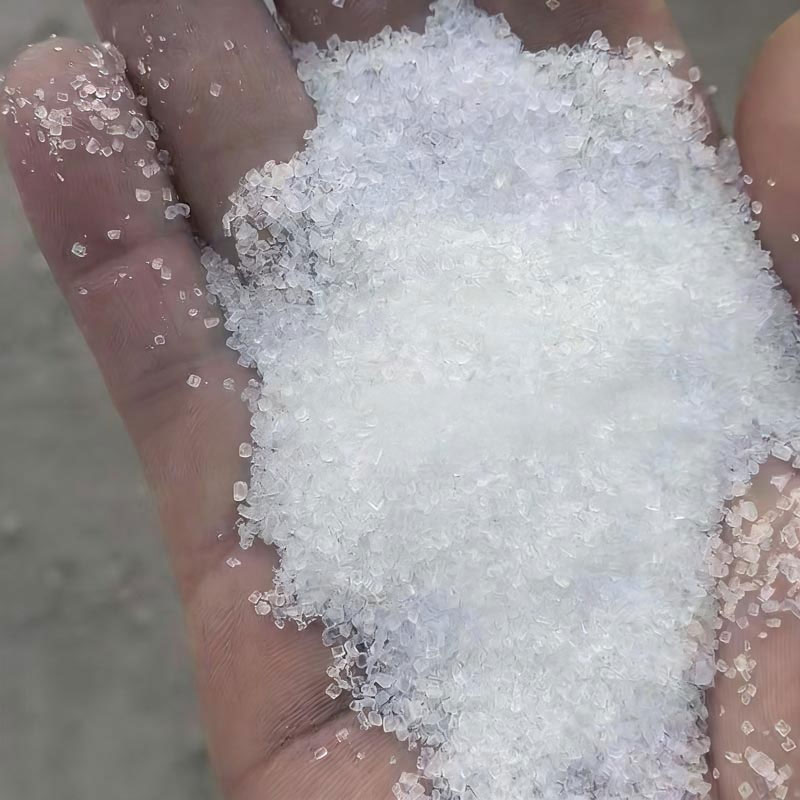
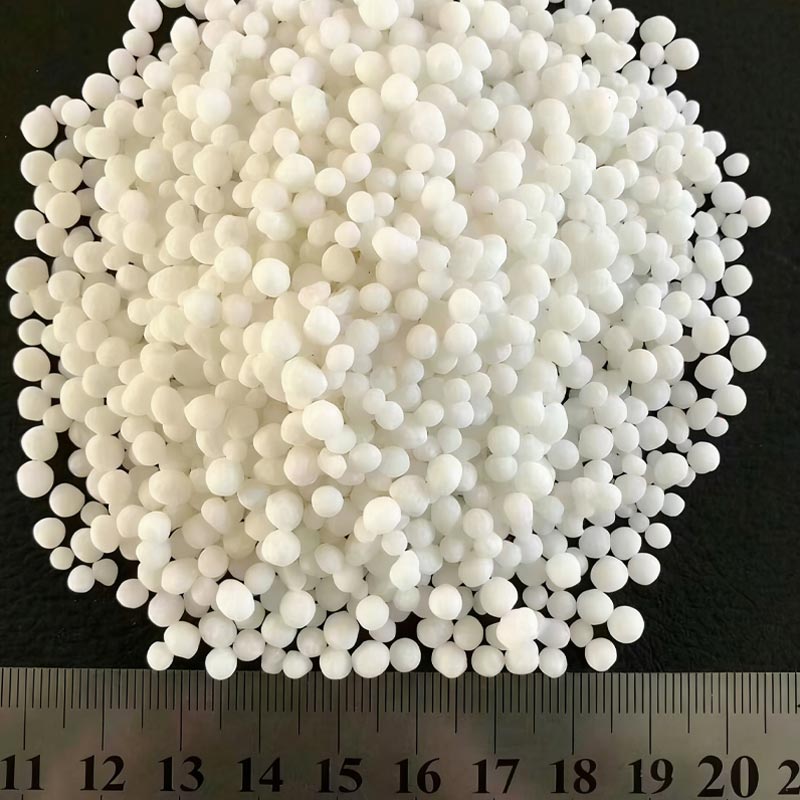
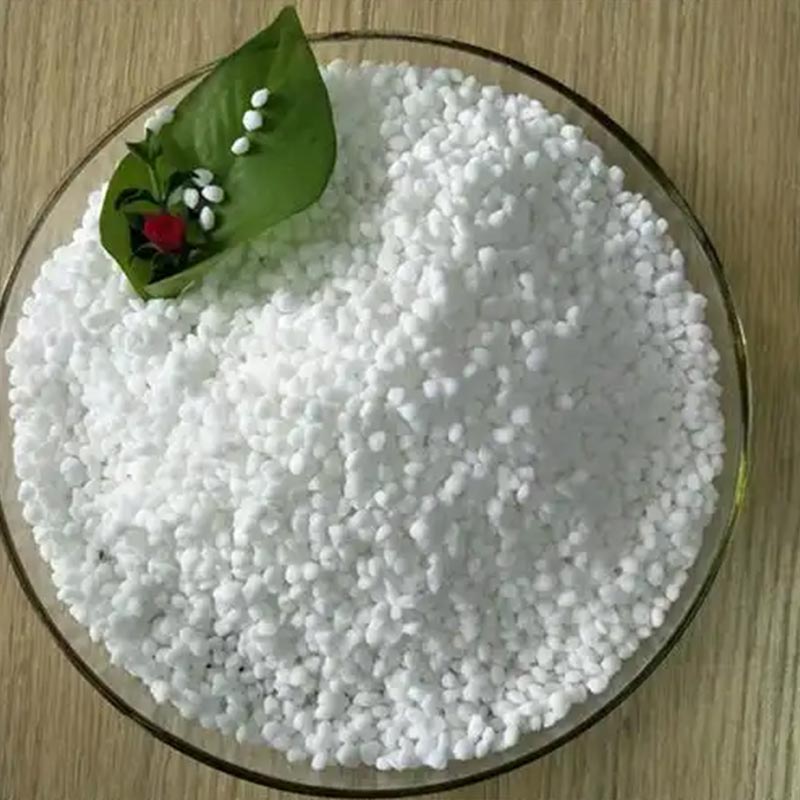
A blended fertilizer is a dry, mechanical mix of compatible granular materials - urea, diammonium phosphate, muriate of potash, ammonium sulfate, calcium-magnesium granules - combined to a recipe rather than reacted into a new compound. Every granule remains a pure raw material, and the NPK analysis is simply the arithmetic of the recipe.
That construction is the whole point. Because there is no chemical reaction or second granulation step, the formula can be rebuilt for every order: more potash for a fruit block, more nitrogen for a leafy cycle, a calcium-magnesium fraction for acidic soil - the same plant, a different recipe tomorrow.
Why the Model Keeps Growing
- Customization: one blending plant can serve a district with dozens of different soil-test recipes - compound granulation economics cannot follow that demand.
- Cost: skipping the chemical reaction and granulation step removes cost, and regional blending plants shorten haulage compared with centralized compound factories.
- Transparency: the recipe is declared in raw materials, so a buyer knows exactly what urea, what phosphate and what potash went into the bag.
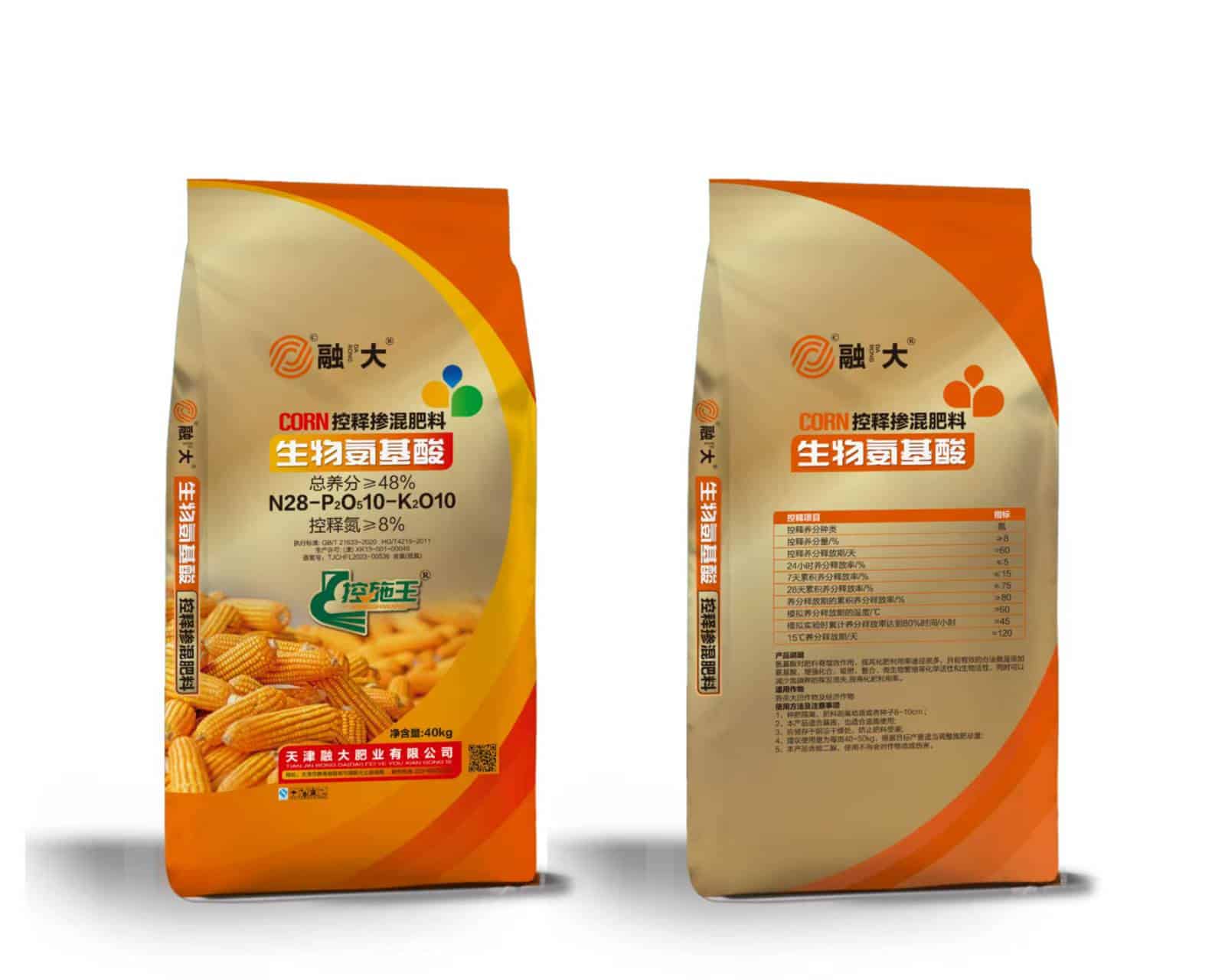
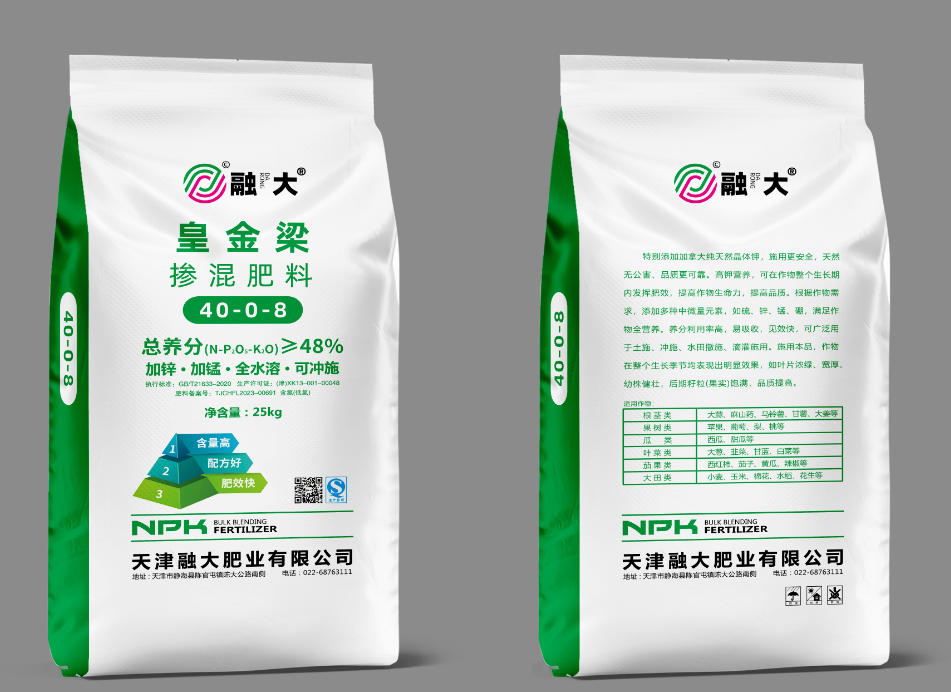
A concrete illustration is an ordinary blended fertilizer (BB fertilizer) program for field crops, fruits and vegetables - the same base materials, tuned per crop and per soil report.
Quality Checkpoints: Good BB vs. Bad BB
|
Checkpoint |
What good looks like |
What bad looks like |
|
Particle size matching |
All raw materials in matched granule bands |
Sizes mixed - recipe separates during transport |
|
Raw material strength |
Hard, low-dust granules |
Soft, dusty product that cakes in the bag |
|
Mixing uniformity |
Even color pattern across the bag |
Stripes and clusters of a single material |
| Freshness |
Blended close to application |
Long warehouse life with hygroscopic urea |
Where BB Fits Best
- Broadacre base application, where the recipe is set once per season from a soil test.
- Orchards that need a potassium-magnesium-calcium correction alongside N.
- Programs pairing a blended base with water-soluble top dressing through drip systems.
Frequently Asked Questions
Q1: Is a blended fertilizer the same as a compound fertilizer?
No. Compound fertilizer is chemically granulated - every granule carries the full analysis. BB fertilizer is a dry blend of distinct granular materials. Each has a place; the choice comes down to customization needs, logistics and price.
Q2: What causes segregation, and how is it avoided?
Granules of different sizes and weights settle differently in transit. The fix is specifying raw materials in matched size bands, blending close to the application date, and handling bags gently rather than free-dropping them.
Q3: Can I order a custom formula?
Yes - that is the model's core advantage. Bring a soil test and a target yield, and the recipe is adjusted material by material, including trace elements and calcium-magnesium fractions.
Q4: What packing is available?
25/50 kg woven bags and 500/1000 kg jumbo bags, with private-label printing for distributor brands.
Conclusion
Blended fertilizers are growing because the market finally matches how agronomy actually works: field by field, test by test. Respect the quality checkpoints - matched granules, clean raw materials, fresh blending - and a BB program delivers compound-level convenience with prescription-level accuracy.
If you are looking for a reliable fertilizer supplier that offers consistent quality and professional support, Tianjin Rongda Fertilizer Co., Ltd. is ready to help. Contact us today to learn how our fertilizer solutions can improve your agricultural productivity.
Related News
- Which Magnesium Sulfate Fits Your Ground?
- Can Foliar Spraying Magnesium Sulfate During Fruit Expansion Improve Fruit Sweetness?
- How Do You Judge a Blended Fertilizer Before You Buy It?
- Magnesium Deficiency & Premature Aging in Greenhouse Vegetables: Soil Drench vs Foliar Spray of Magnesium Sulfate
- Which Water-Soluble NPK Formula Fits Each Growth Stage?
- What is the difference between Magnesium Sulfate and Calcium Magnesium Granules? When to Use Them Together?
Leave me a message