
Fruit Cracking & Blossom End Rot: How Do Calcium-Magnesium Granules Work?
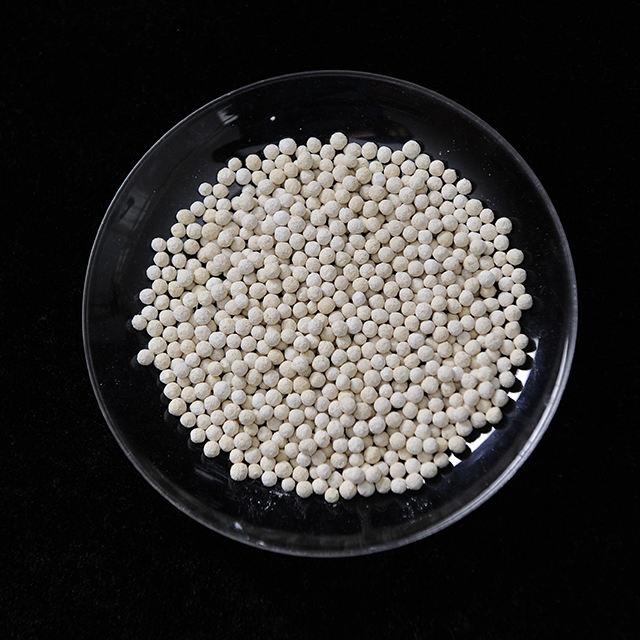
Frequent fruit cracking and blossom end rot are common physiological diseases in fruits and vegetables. Most growers keep applying calcium fertilizer but still face recurring problems. The root causes include unbalanced calcium and magnesium nutrients, insufficient photosynthetic supply and poor soil nutrient absorption. Rongda calcium-magnesium granules provide balanced calcium and magnesium supplementation, strengthen fruit skin, boost photosynthesis and improve soil environment, effectively preventing physiological diseases and stabilizing crop yield and quality.
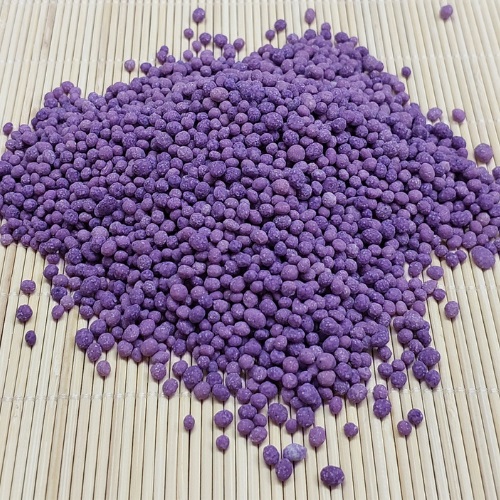
Table of Contents
1. Core Causes of Frequent Fruit Cracking and Blossom End Rot
2. Why Single Calcium Fertilizer Fails? Magnesium Deficiency Is the Key Shortage
3. Core Functions of Calcium-Magnesium Granules in Disease Prevention
4. Scientific Application Scheme for Different Crops
5. Fertilization Mistakes to Avoid for Physiological Disease Control
1. Core Causes of Frequent Fruit Cracking and Blossom End Rot
Many growers misunderstand fruit cracking and blossom end rot as fungal or bacterial diseases. In fact, they are typical physiological nutrient deficiency diseases without infectivity, mainly caused by unbalanced nutrients and improper field management. These diseases occur frequently during the fruit expansion stage of tomatoes, peppers, watermelons, citrus and grapes.There are three main inducing factors. Firstly, insufficient or unabsorbable calcium. Calcium is the basic component of fruit cell walls. Soil calcium deficiency, nutrient antagonism and unstable soil moisture will cause cell necrosis at the fruit navel and insufficient fruit skin toughness, leading to blossom end rot and fruit cracking. Secondly, excessive application of nitrogen and potassium fertilizers inhibits calcium absorption, resulting in pseudo calcium deficiency. Thirdly, magnesium deficiency weakens photosynthesis, causes uneven fruit development and greatly increases the rate of cracked and deformed fruits.
2. Why Single Calcium Fertilizer Fails? Magnesium Deficiency Is the Key Shortage
Long-term single calcium application is the main reason for recurring physiological diseases. Simply supplementing calcium only strengthens cell walls, but cannot improve crop growth and photosynthetic efficiency.
Magnesium is the core element of chlorophyll and determines crop photosynthetic capacity. Magnesium deficiency during fruit expansion leads to leaf yellowing, insufficient photosynthetic product accumulation and uncoordinated fruit growth. The flesh grows faster than the skin, causing regular fruit cracking. Meanwhile, magnesium deficiency reduces crop stress resistance, making crops vulnerable to blossom end rot under high temperature, drought and unstable weather. Therefore, balanced calcium and magnesium supplementation is the fundamental solution to eliminate physiological diseases.
3. Core Functions of Calcium-Magnesium Granules in Disease Prevention
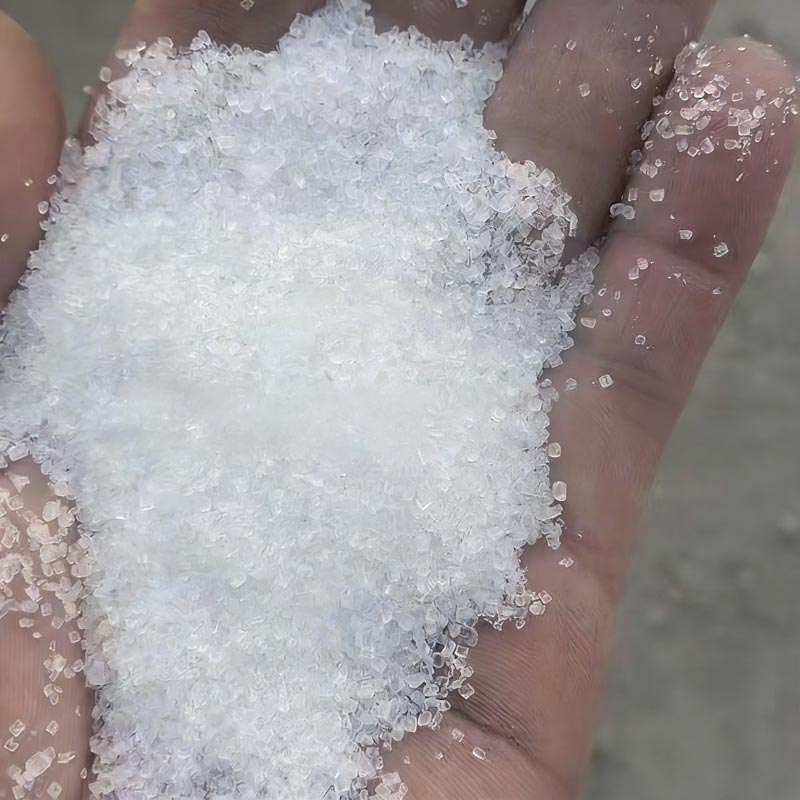
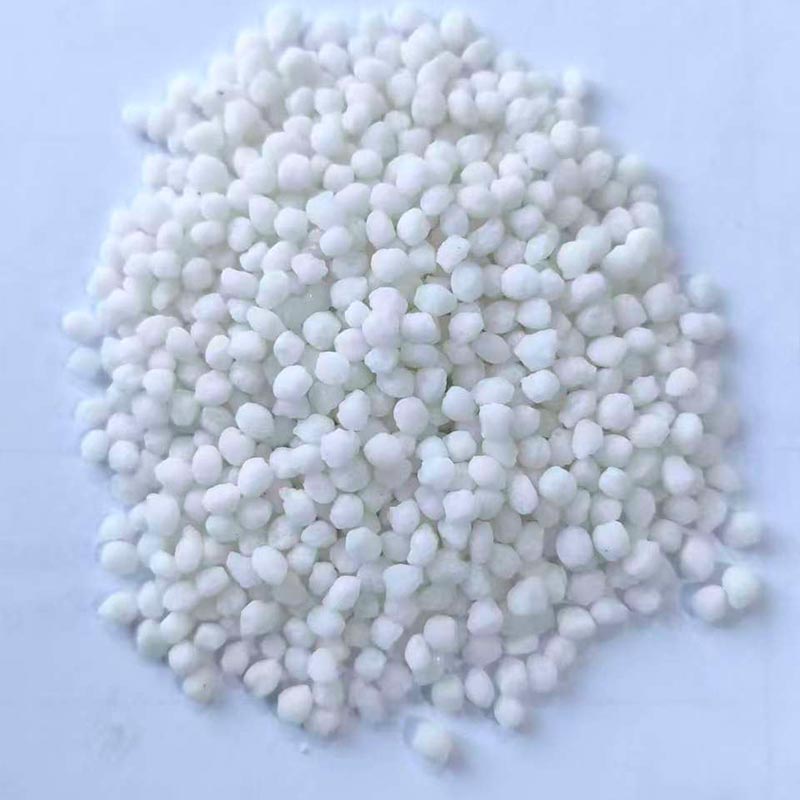
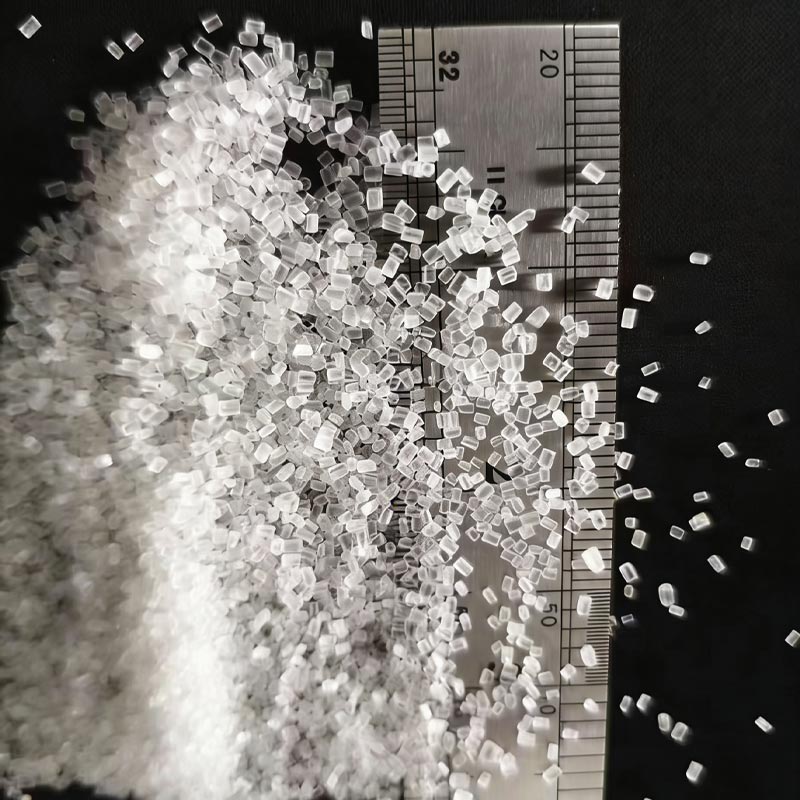
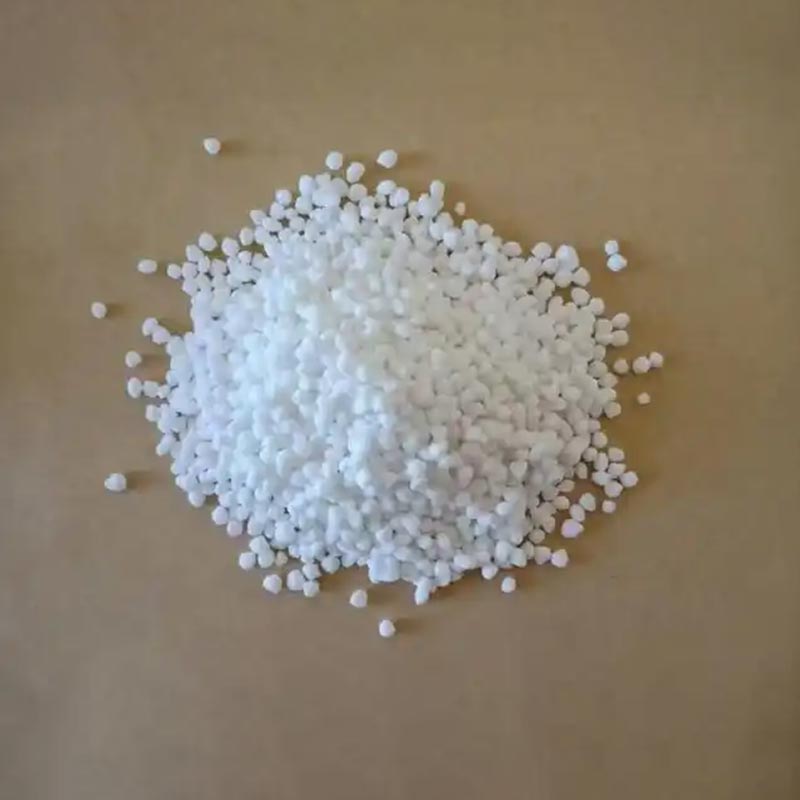
Rongda calcium-magnesium granules adopt slow-release granulation technology with long-lasting nutrient release, perfectly matching the full growth cycle of crops. The product integrates soil improvement, nutrient supplementation and fruit strengthening to solve nutrient deficiency problems during fruit expansion.
First, strengthen fruit skin toughness to prevent diseases. Active calcium continuously supplies nutrients for fruit cell walls, thickens cell structures, improves skin elasticity and effectively resists cracking pressure caused by fruit expansion and water fluctuation, fundamentally preventing blossom end rot and deformed fruits.
Second, boost photosynthesis for balanced fruit development. Sufficient magnesium repairs leaf photosynthetic function, promotes carbohydrate accumulation, ensures synchronous growth of flesh and skin, avoids unbalanced development cracking, and improves fruit sweetness and uniformity.
Third, optimize soil environment to smooth nutrient absorption. Long-term application improves soil aggregate structure, relieves soil acidification and compaction, eliminates nutrient antagonism, and greatly improves the absorption efficiency of calcium, magnesium and other nutrients.
4. Scientific Application Scheme for Different Crops
Solanaceous Vegetables (Tomato, Pepper, Eggplant): Apply calcium-magnesium granules as base fertilizer before transplanting, and supplement a small dose at the early expansion stage to reserve sufficient nutrients and prevent physiological diseases throughout the growth period.
Fruit Melons (Watermelon, Melon, Strawberry): Apply in two stages at seedling and fruit expansion periods to maintain stable nutrient supply, ensure uniform fruit development and reduce cracking and soft fruits.
Fruit Trees (Citrus, Grape, Apple): Combine base fertilizer after autumn harvest and germination fertilizer in spring to improve orchard soil, strengthen shoots, retain fruits and reduce cracking and fruit drop.
5. Fertilization Mistakes to Avoid for Physiological Disease Control
Avoid single calcium application and excessive potassium fertilizer. Always adhere to balanced calcium and magnesium supplementation. Do not apply excessive water and fertilizer during the expansion stage to prevent fruit stress cracking. Avoid mixing with high-concentration acidic fertilizers to prevent nutrient fixation. Adopt long-term base fertilization with calcium-magnesium granules as the main method and foliar spraying as emergency assistance to maintain stable nutrient supply.
In conclusion, preventing fruit cracking and blossom end rot relies on long-term calcium-magnesium nutrient balance and soil improvement, not temporary nutrient supplementation. Rongda high-quality calcium-magnesium granules solve crop physiological deficiency problems in multiple dimensions, reduce defective fruits, stabilize yield and quality, and create higher economic benefits for growers.
Related News
- Which Magnesium Sulfate Fits Your Ground?
- Can Foliar Spraying Magnesium Sulfate During Fruit Expansion Improve Fruit Sweetness?
- How Do You Judge a Blended Fertilizer Before You Buy It?
- Magnesium Deficiency & Premature Aging in Greenhouse Vegetables: Soil Drench vs Foliar Spray of Magnesium Sulfate
- Which Water-Soluble NPK Formula Fits Each Growth Stage?
- What is the difference between Magnesium Sulfate and Calcium Magnesium Granules? When to Use Them Together?
Leave me a message