
Why Is Magnesium Sulfate the Fourth Major Nutrient for High Yields?
Magnesium sits at the heart of every chlorophyll molecule and switches on more than 300 enzymes. When it runs short, photosynthesis slows down — and no amount of NPK can fully compensate. This guide explains what magnesium actually does, which crops and soils run out of it first, when to apply magnesium sulfate, and how to choose a product you can trust season after season.

Table of Contents
- What Does Magnesium Actually Do Inside a Plant?
- Which Crops and Soils Run Low on Magnesium First?
- The Three Key Windows for Applying Magnesium Sulfate
- How to Choose a Quality Agricultural Magnesium Sulfate
- Frequently Asked Questions
- Conclusion
What Does Magnesium Actually Do Inside a Plant?
Most growers can recite their N-P-K program by heart, yet magnesium — the nutrient that decides how much of that program actually turns into yield — is routinely left out of the budget. Here is what Mg really does:
- The core of chlorophyll. Every chlorophyll molecule holds a single magnesium atom at its center. No magnesium means no chlorophyll, and no chlorophyll means no photosynthesis — the whole energy factory shuts down.
- An activator for 300+ enzymes. Energy metabolism, protein synthesis and phosphate transport inside the plant all depend on magnesium-activated enzymes.
- A phosphate shuttle. Magnesium helps move phosphorus and photosynthates toward fruit, tubers and grain instead of leaving them stranded in the leaves.
- A quality lever. With adequate Mg, fruit colors more evenly, sugar accumulates faster, and oilseeds and sugarcane measurably gain oil and sugar content.
This is why agronomists increasingly treat magnesium as the fourth major nutrient after nitrogen, phosphorus and potassium — and why agricultural magnesium sulfate, which delivers both Mg and sulfur in fully water-soluble form, has become the most practical and cost-effective way to correct it.
Which Crops and Soils Run Low on Magnesium First?
Because magnesium is mobile inside the plant, deficiency always shows up first on the older, lower leaves: the veins stay green while the tissue between them fades to yellow, and badly affected leaves scorch and drop early.
Some situations invite the problem far more often than others:
- High-demand crops. Citrus, grapes, bananas, apples, coffee and oil palm; tomatoes, peppers and cucumbers; potatoes, tobacco, tea and sugarcane — all remove large amounts of magnesium every season and are the classic "magnesium-hungry" crops.
- Acidic and sandy soils. Low native Mg reserves, combined with heavy rainfall that leaches magnesium out of the root zone, make tropical and subtropical soils chronic hotspot zones.
- High-potassium programs. Potassium and magnesium compete at the root uptake sites. Fields pushed hard with K fertilizers often show yellowing leaves precisely because of that success — the excess K blocks Mg absorption.
- Intensive greenhouse production. High output, high removal and limited soil volume mean deficiency arrives earlier and hits harder than in open fields.
If any of these describe your operation, magnesium belongs in your annual plan, not your emergency list.
The Three Key Windows for Applying Magnesium Sulfate
1. Before planting — build the base.
Broadcast and incorporate magnesium sulfate with the base dressing. Typical rates are 150–225 kg/ha (roughly 130–200 lb/acre) for field crops, or 0.5–2 kg (1–4 lb) per tree placed in a ring band for orchards. This secures a steady supply for the whole season.
2. At peak demand — feed the surge.
Flowering, fruit set and bulking stages pull the most magnesium. Delivering Mg through fertigation or top dressing at these points measurably reduces early leaf aging and flower/fruit drop.
3. At first symptoms — spray to rescue.
Once interveinal yellowing appears, a 0.5–1% foliar spray of magnesium sulfate turns the leaf green again within 5–7 days. It is the fastest visible correction in farming — but it treats symptoms, not causes.
Used together — base for the season, fertigation for the peak, spray for emergencies — the three windows cover each other's gaps.
How to Choose a Quality Agricultural Magnesium Sulfate
The market spans everything from pharma-grade crystals to cheap, dusty technical product. Four checks separate the reliable from the risky:
- Check the declared nutrients. Compare products on MgO (and S) content, not on price per bag. Different hydrate forms carry very different nutrient densities.
- Check water insolubles. For drip and sprinkler systems this is non-negotiable.For drip and sprinkler systems this is non-negotiable — high insoluble residues clog emitters.
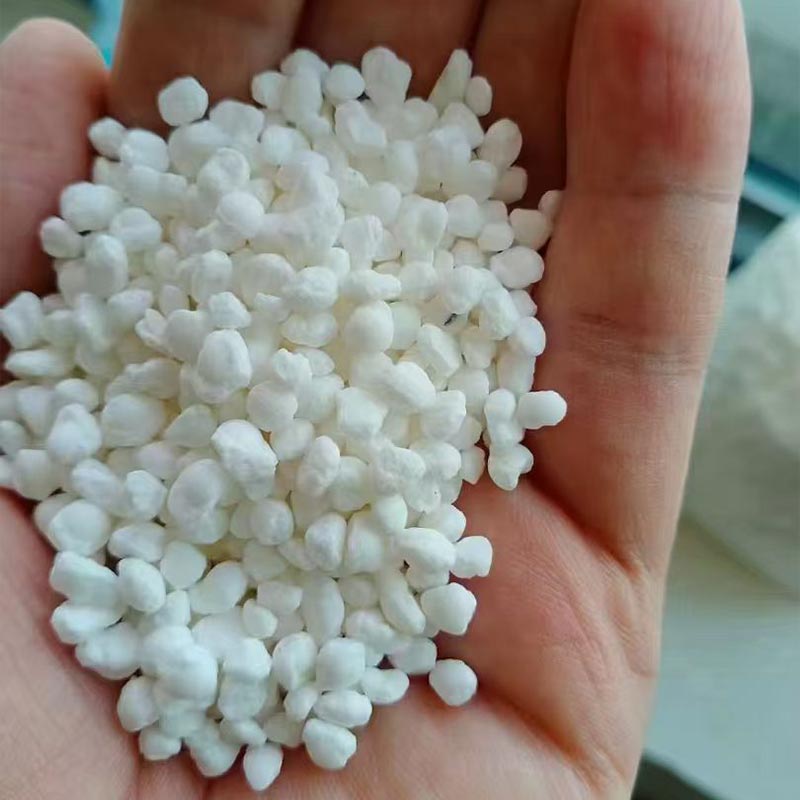
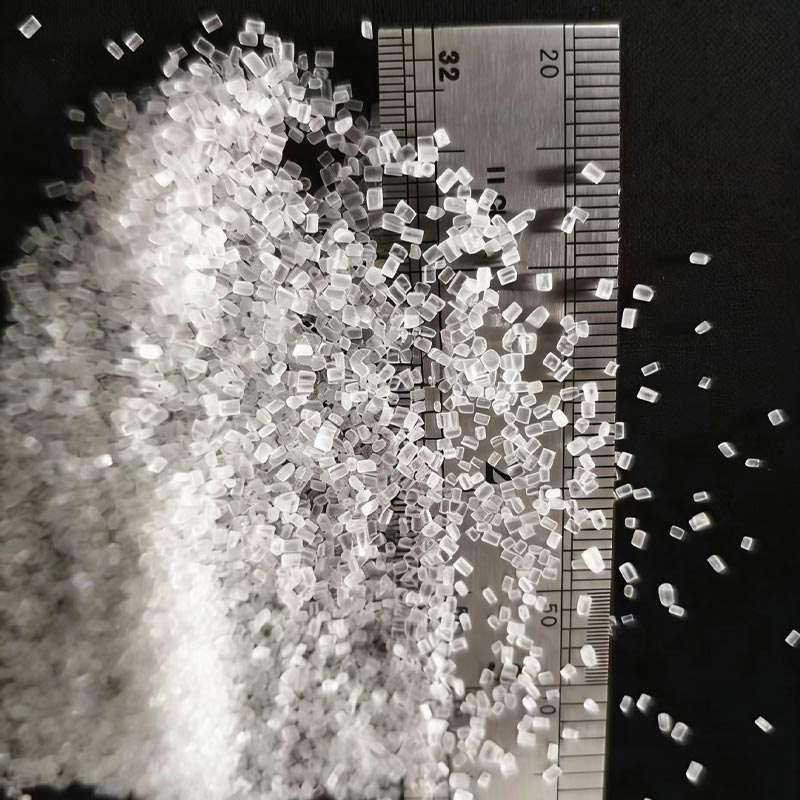
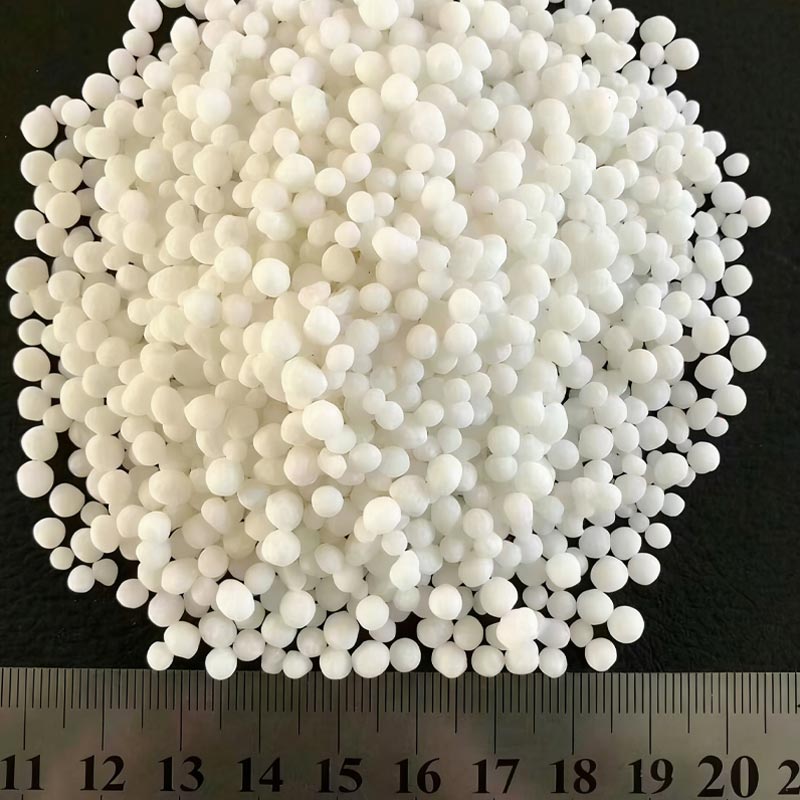
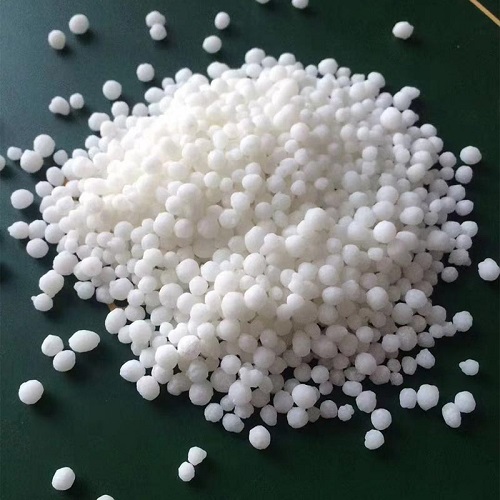
- Check appearance and consistency. Clean white-to-light-yellow crystals or granules, uniform size, no caking and no strange odor usually indicate controlled production.
- Check the paperwork. A serious supplier provides a COA (certificate of analysis) for every batch, with cadmium, lead and arsenic well within limits — essential when the product goes onto food crops year after year.
A dependable example of the standard to look for is magnesium sulfate heptahydrate in agricultural grade: free-flowing, fully soluble and batch-tested.
Frequently Asked Questions
Q1: Can magnesium sulfate be mixed with other fertilizers?
Yes, it blends and dissolves easily with most compound and water-soluble fertilizers. Just keep potassium and calcium applications balanced — excessive K or Ca suppresses Mg uptake, so split applications rather than dumping everything at once.
Q2: How quickly will I see results?
Foliar sprays green up leaves in about 5–7 days; soil applications show effect within 2–4 weeks as roots take up Mg. For serious deficiency, combine both.
Q3: Is it possible to apply too much magnesium sulfate?
Yes. Over-application raises soil salinity and can induce calcium and potassium deficiency by antagonism. Follow soil test recommendations, especially on sandy soils and in greenhouses.
Q4: My crop shows no yellowing — do I still need magnesium?
Very likely. "Hidden hunger" reduces yield long before any leaf symptoms appear. High-demand crops on acidic or sandy soils benefit from preventive Mg every season.
Conclusion
Magnesium is not a supporting actor — it is the nutrient that keeps chlorophyll, enzymes and phosphate transport running. Learn to read the early signals, apply magnesium sulfate at the right windows, and choose a product with verified analysis, and a small investment per hectare returns a disproportionately large gain in yield and quality.
If you are looking for a reliable agricultural magnesium sulfate supplier that offers consistent quality and professional support, Tianjin Rongda Fertilizer Co., Ltd. is ready to help. Contact us today to learn how our fertilizer solutions can improve your agricultural productivity.
Related News
- How Do Water-Soluble Fertilizers Feed Drip-Irrigated Crops?
- What Can Calcium Magnesium Granules Do for Degraded and Acid Soils?
- What Are the Top 10 Signs of Magnesium Deficiency in Crops?
- Why Do Modern Crops Need More Sulfur Than NPK Provides?
- How to Apply Magnesium Sulfate to Orchards, Vegetables & Field Crops?
- Is Calcium Ammonium Nitrate a Safer Nitrogen for Stressed Soils?
Leave me a message