
What Soils Are Suitable for Blended Fertilizer?
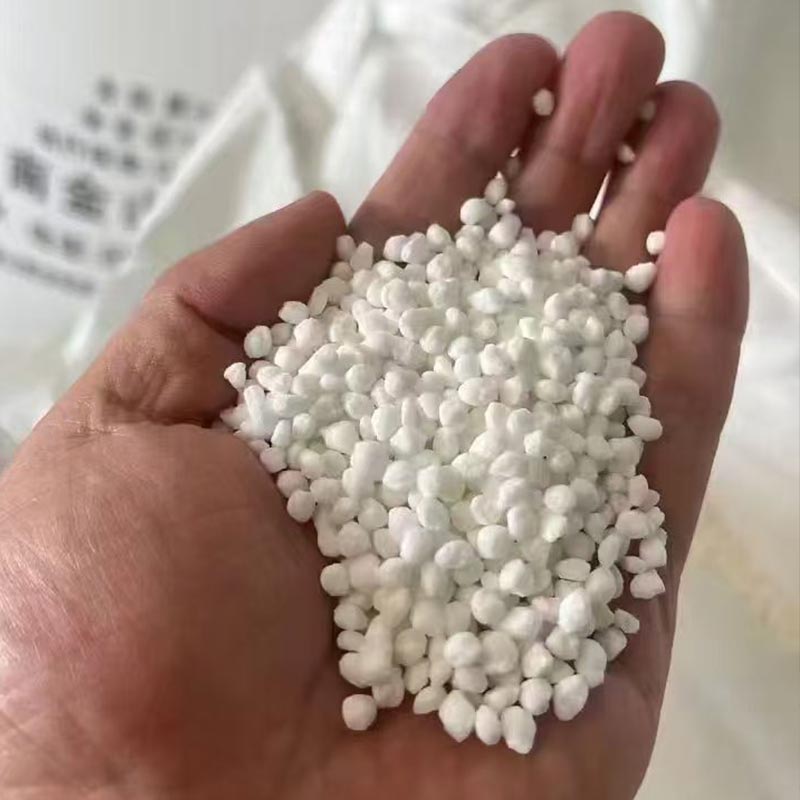
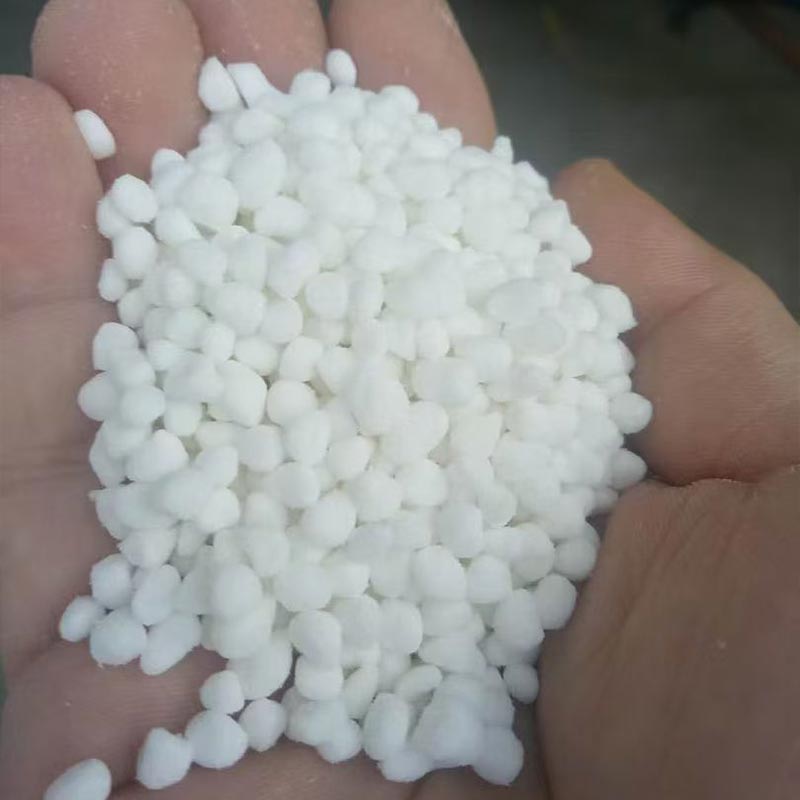
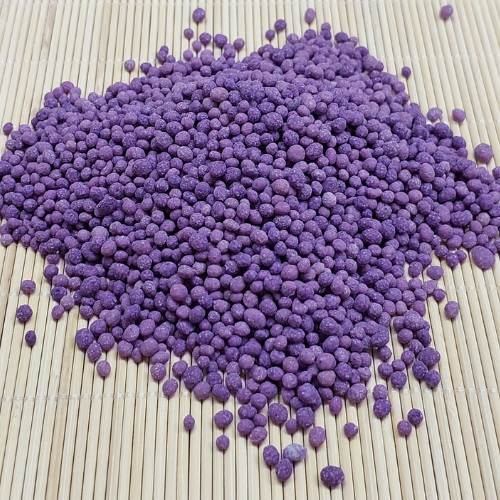
Bio-blended fertilizer is a new type of functional farm input that combines inorganic nutrients with beneficial microbial flora. It integrates fertilization, soil improvement, root protection, and disease suppression into one product. Featuring strong soil adaptability, it effectively improves various problematic farm soils, including acidic soil, alkaline saline land, continuous cropping soil, and infertile sandy soil. This article explains the applicable soil types, improvement mechanisms, and planting scenarios of bio-blended fertilizer, helping growers optimize soil conditions and achieve stable crop yields.

Table of Contents
1. Applicable Soil Types for Bio-Blended Fertilizer
Applicable Soil Types for Bio-Blended Fertilizer
Different from traditional single-component fertilizers, bio-blended fertilizer provides balanced inorganic nutrition while activating soil microbial activity. It works well in most farmland soils and delivers prominent improvement effects on problematic soils with compaction, salinization, continuous cropping obstacles, and low fertility.
1.Suitable for Acidic Soil
Functional microorganisms in bio-blended fertilizer balance soil pH and secrete active organic acids to activate fixed phosphorus, calcium, magnesium, and other trace elements in acidic soil. It solves the common problems of nutrient fixation and low absorption efficiency in red soil and yellow soil. Long-term application loosens hardened topsoil, optimizes soil permeability, and improves the tillage performance of acidic farmland in high rainfall areas.
2.Suitable for Alkaline and Saline Soil
For saline-alkali land and secondary salinized greenhouse soil, microbial metabolites in bio-blended fertilizer neutralize excessive soil alkalinity and reduce salt accumulation. It effectively relieves root burn and growth inhibition caused by high salt and high pH environments. By restoring soil microbial balance, this fertilizer improves soil structure and greatly increases crop survival rate and growth quality in saline-alkali planting areas.
3.Suitable for Soil with Continuous Cropping Obstacles
Long-term monoculture in vegetable greenhouses, orchards, and cash crop fields usually leads to harmful bacteria proliferation, frequent soil-borne diseases, and damaged soil microecology. Bio-blended fertilizer replenishes massive beneficial microorganisms that occupy ecological niches and inhibit the reproduction of pathogenic bacteria. It repairs unbalanced soil environments caused by years of continuous cropping and alleviates common problems such as weak seedlings, poor growth, and yield decline.
4.Suitable for Infertile and Sandy Soil
Newly reclaimed wasteland and sandy farmland generally feature low organic content, poor water retention, and insufficient fertility. Bio-blended fertilizer provides quick-acting nutrients to support crop growth and gradually increases soil organic matter content. It significantly improves soil water and fertilizer retention capacity, optimizes porous soil structure, and transforms low-yield barren land into high-efficiency arable soil.
Summary
Bio-blended fertilizer is a highly adaptable soil-improving compound fertilizer suitable for most agricultural soils. It provides targeted improvements for four typical problematic soils: acidic compacted soil, alkaline saline soil, continuous cropping obstacle soil, and infertile sandy soil. With dual functions of nutrient supplementation and microbial soil remediation, it optimizes soil microecology, eliminates planting barriers, and enhances soil fertility. Regular application creates a healthy root environment, supports stable crop growth, and is an ideal fertilizer solution for modern precision agriculture and sustainable farmland management.
FAQ
Q1: Can bio-blended fertilizer be used on all types of soil?
A: Yes. Bio-blended fertilizer fits most farmland soil conditions. It shows the most obvious improvement effects on acidic soil, saline-alkali soil, continuous cropping soil, and infertile sandy soil. It can also conserve fertile soil, improve fertilizer efficiency, and prevent soil-borne diseases for normal high-quality farmland.
Q2: What benefits does bio-blended fertilizer bring to saline-alkali soil?
A: It neutralizes soil alkalinity, reduces surface salt accumulation, and prevents root damage caused by saline stress. In addition, it repairs microbial community structure, relieves soil compaction, improves air permeability, and effectively increases crop survival rate and final yield in saline-alkali fields.
Q3: Is annual application necessary for continuous cropping fields?
A: Regular annual application is highly recommended. Continuous cropping causes continuous accumulation of pathogenic bacteria and soil degradation. Sustained supplementation of beneficial microorganisms can maintain soil ecological balance, weaken continuous cropping obstacles year by year, and reduce the occurrence of weak seedlings and soil-borne diseases.
Q4: How quickly can growers see effects on barren soil?
A: A single application can supplement essential nutrients and improve crop growth status in a short period. Continuous seasonal application gradually increases soil organic matter, optimizes soil structure, and permanently improves the fertility of wasteland and low-quality sandy soil.
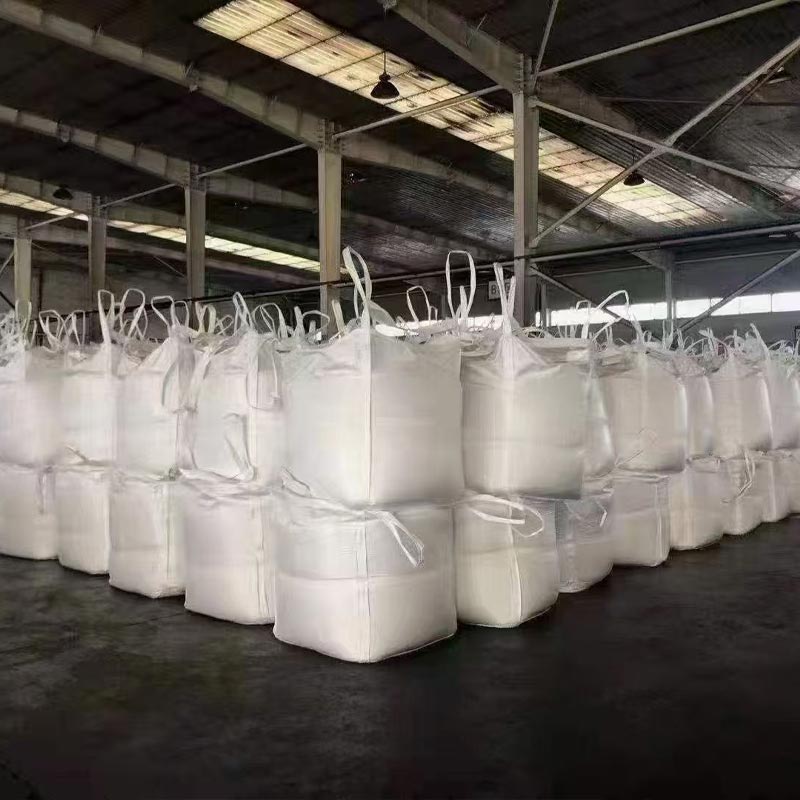
If you are looking for a reliable blended fertilizer supplier with stable quality and professional technical support, Tianjin Rongda Fertilizer Co., Ltd. is always ready to help you. Contact us today to learn how our fertilizer solutions can improve your agricultural productivity.
Related News
- How Do Controlled-Release Curves Match Crop Demand?
- Can Magnesium Sulfate Be Used in Saline-Alkali Soil? What Are the Risks of Long-Term Application?
- How Do You Turn a Soil Test into a Blend Sheet?
- How Does Applying Magnesium Sulfate After Grape Harvest Help Bud Burst in the Next Year?
- Which Magnesium Sulfate Fits Your Ground?
- Can Foliar Spraying Magnesium Sulfate During Fruit Expansion Improve Fruit Sweetness?
Leave me a message