
How to Formulate Fertilization Plan When Applying Bio-amino Acid Controlled-release Blended Fertilizer on Compacted Soil?
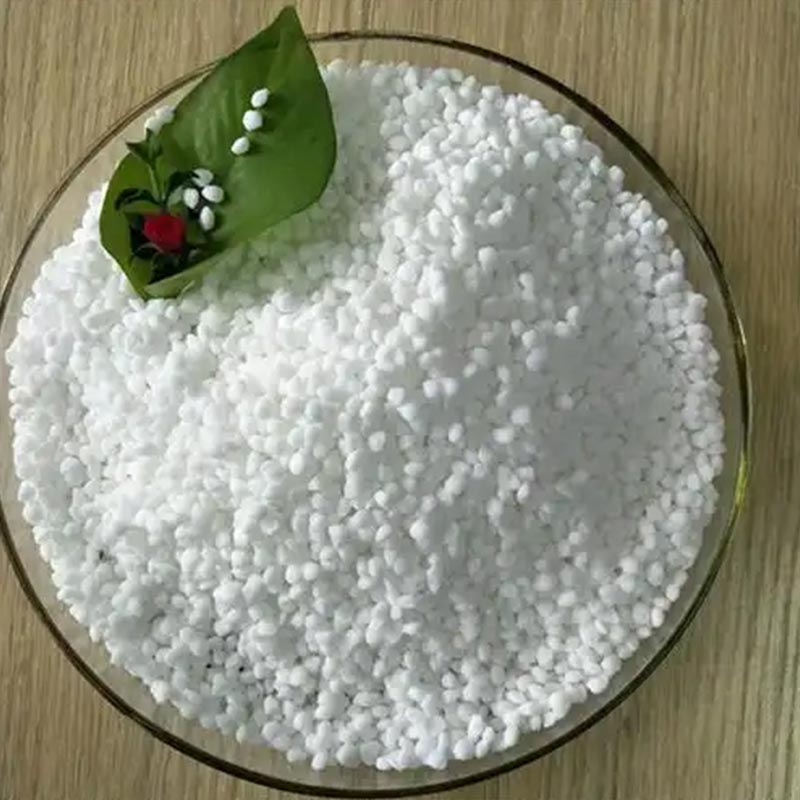
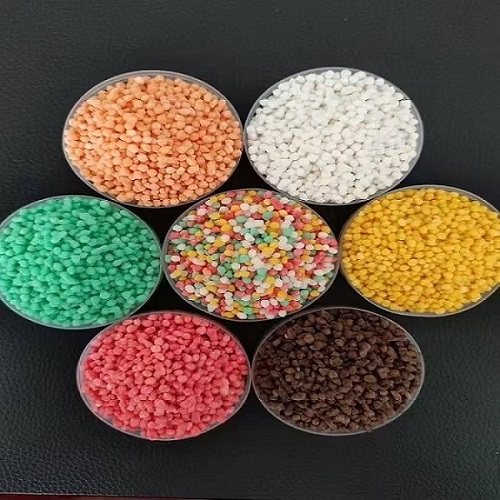
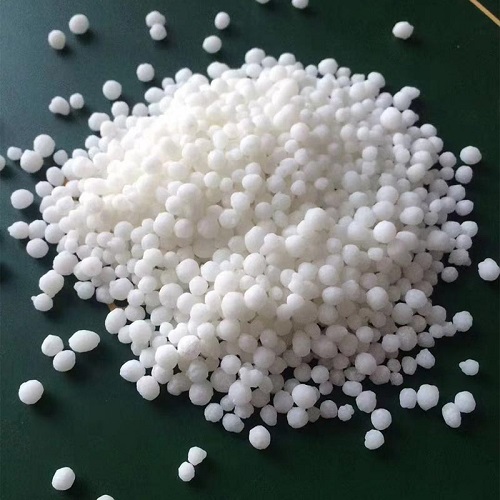
Excessive application of chemical fertilizers and continuous cropping easily lead to soil compaction, poor air permeability, restricted root penetration and blocked nutrient absorption. Bio-amino acid controlled-release blended fertilizer contains active amino acid substances and controlled-release nutrients, which can continuously supply crop nutrition and improve rhizosphere environment. Combined with characteristics of compacted soil, this article introduces supporting fertilization scheme, application skills and management key points of bio-amino acid controlled-release blended fertilizer.

Table of Contents
1. Planting problems caused by soil compaction
2. Principle of bio-amino acid controlled-release blended fertilizer improving compacted soil
4. Dosage reference of bio-amino acid controlled-release blended fertilizer for different crops
6. Common misunderstandings in applying bio-amino acid controlled-release blended fertilizer
1. Planting problems caused by soil compaction
Soil compaction destroys soil aggregate structure, reduces pores and weakens water infiltration and air permeability. Crop roots have limited growing space and tend to be shallow and weak. Even with continuous fertilization, nutrients can hardly be absorbed. Conventional compound fertilizers release nutrients intensively; long-term application accumulates salt and further aggravates compaction. Reasonable application of bio-amino acid controlled-release blended fertilizer supplies nutrients and gradually optimizes soil environment to break this vicious cycle.
2. Principle of bio-amino acid controlled-release blended fertilizer improving compacted soil
Bio-amino acid controlled-release blended fertilizer contains free amino acids. As biostimulants, amino acids activate the reproduction of beneficial soil microorganisms. Microbial activities facilitate the formation of soil aggregate structure and improve air permeability. Controlled-release nutrients are released steadily to avoid sharp rise of local salt concentration and mitigate soil salinization. Bio-amino acid controlled-release blended fertilizer integrates long-term nutrient supply and soil conditioning, nourishing crops and continuously repairing compacted soil.
3. Complete fertilization scheme of bio-amino acid controlled-release blended fertilizer for compacted land
Base fertilizer stage (soil preparation)
Deep plough the soil to 25~35 cm to break the hard plough pan. Spread bio-amino acid controlled-release blended fertilizer evenly and turn over to fully mix fertilizer with soil. Shallow surface application is not recommended, otherwise nutrient utilization rate and soil improvement effect will decline significantly.
Topdressing in growing period
Avoid one-time heavy fertilization. Adopt furrow or hole application of bio-amino acid controlled-release blended fertilizer, cover with soil and irrigate timely. Controlled-release nutrients release slowly to reduce topdressing frequency and lower risks of salt accumulation.
Water and fertilizer coordinated management
Carry out proper irrigation after fertilization on dry land, helping amino acids and nutrients in bio-amino acid controlled-release blended fertilizer penetrate into root zones, stimulate microbial activities and accelerate soil improvement.
4. Dosage reference of bio-amino acid controlled-release blended fertilizer for different crops
Field grain crops (wheat, corn, rice): 25~35kg bio-amino acid controlled-release blended fertilizer per mu as base fertilizer; appropriate small amount of topdressing can be applied according to crop growth.
Fruits and vegetables (tomato, cucumber, strawberry, etc.): 30~40kg bio-amino acid controlled-release blended fertilizer per mu as base fertilizer; supplement nutrition with water-soluble fertilizer during fruit setting period.
Fruit trees (citrus, apple, grape): Apply bio-amino acid controlled-release blended fertilizer of 0.8~1.5kg per tree along canopy drip line in spring and autumn respectively.
Adjust the dosage of bio-amino acid controlled-release blended fertilizer properly according to compaction degree and soil fertility.
5. Auxiliary soil improvement measures matched with bio-amino acid controlled-release blended fertilizer
Relying solely on bio-amino acid controlled-release blended fertilizer cannot rapidly restore severely compacted soil, so comprehensive supporting solutions are required. If conditions permit, apply together with decomposed organic manure; implement crop rotation to reduce continuous cropping hazards; carry out straw returning regularly to raise soil organic matter. Deep tillage combined with organic manure and bio-amino acid controlled-release blended fertilizer achieves more durable and stable improvement effect.
6. Common misunderstandings in applying bio-amino acid controlled-release blended fertilizer
Misunderstanding 1: Spread a large amount of bio-amino acid controlled-release blended fertilizer at one time for rapid soil improvement.
Correction: Excessive application causes high local salt concentration, damages root systems and burdens soil. Stick to moderate and continuous application.
Misunderstanding 2: Only spread bio-amino acid controlled-release blended fertilizer on surface without deep ploughing.
Correction: Fertilizer staying on surface brings limited improvement effect and nutrients are easy to run off.
Misunderstanding 3: No watering for a long time after applying bio-amino acid controlled-release blended fertilizer.
Correction: Water is essential for activating amino acids and nutrient release; supply water promptly after fertilization.
7. Conclusion
Soil compaction treatment is a long-term systematic work and cannot be completed in a short period. Bio-amino acid controlled-release blended fertilizer combines nutrient supply and soil conditioning, suitable for regular fertilization on compacted land. Following the principles of deep ploughing for base fertilizer, phased application and coordinated water and fertilizer management, rationally apply bio-amino acid controlled-release blended fertilizer together with organic manure and proper farming measures. Gradually restore soil aggregate structure, cultivate robust root systems and realize stable yield and quality improvement of crops. RONGDA bio-amino acid controlled-release blended fertilizer meets the demands of soil improvement and long-term fertilization on compacted farmland.
Related News
- How Do Controlled-Release Curves Match Crop Demand?
- Can Magnesium Sulfate Be Used in Saline-Alkali Soil? What Are the Risks of Long-Term Application?
- How Do You Turn a Soil Test into a Blend Sheet?
- How Does Applying Magnesium Sulfate After Grape Harvest Help Bud Burst in the Next Year?
- Which Magnesium Sulfate Fits Your Ground?
- Can Foliar Spraying Magnesium Sulfate During Fruit Expansion Improve Fruit Sweetness?
Leave me a message