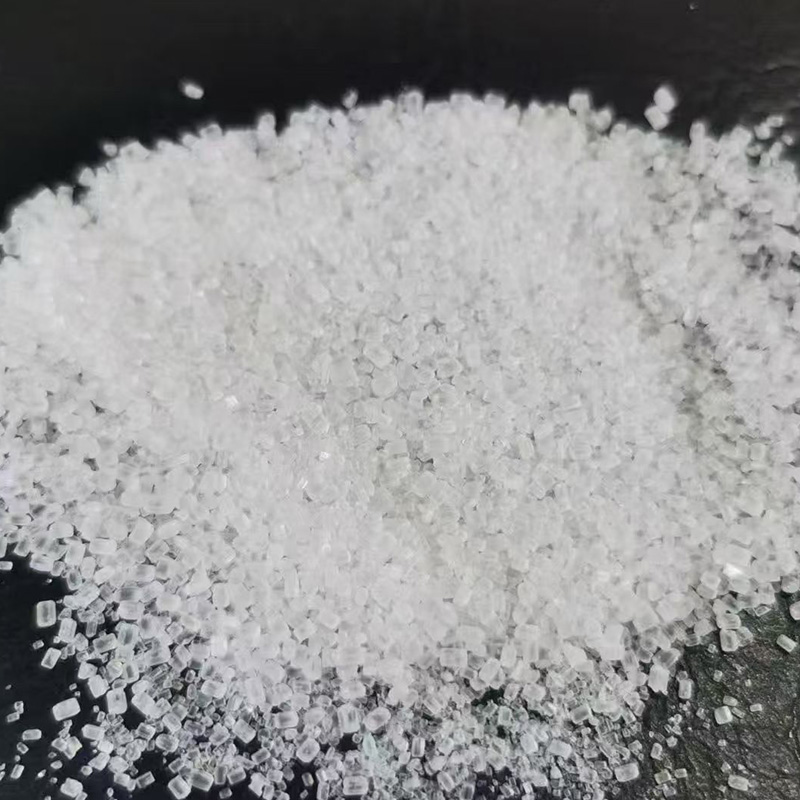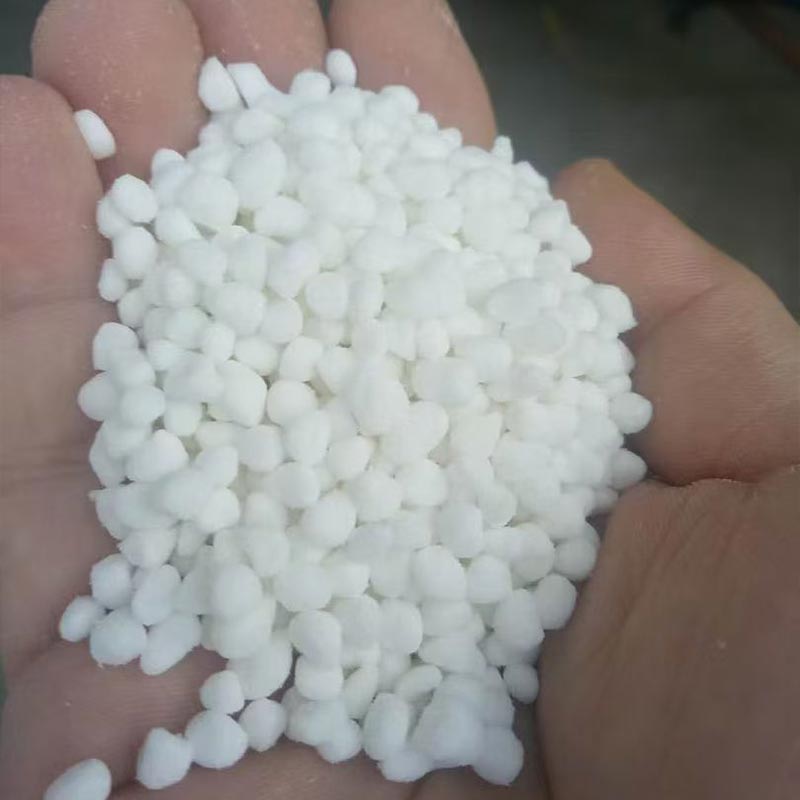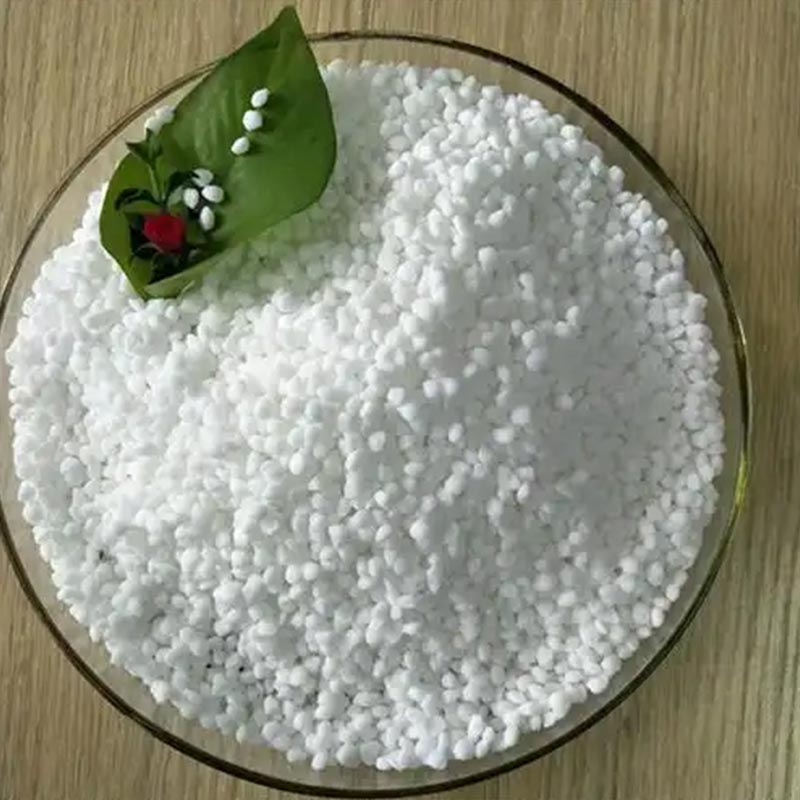

Blended Fertilizer vs Compound Fertilizer: Which Offers Better Cost Performance?
Choosing the right fertilizer is the key to reducing costs and increasing crop yields in modern agriculture. Many growers struggle to distinguish the applicable scenarios of blended fertilizer, compound fertilizer, and slow-release fertilizer, leading to blind fertilization, fertilizer waste, and poor crop growth. This article focuses on the core advantages of blended fertilizer, compares it briefly with compound fertilizer, and introduces the applicable scenarios and usage taboos of slow-control release fertilizer, helping farmers adopt scientific fertilization and maximize planting profits.

Table of Contents
• Core Advantages of Blended Fertilizer and Comparison With Compound Fertilizer
• Suitable Climates and Land Types for Slow-Release Fertilizer
• Benefits of Slow-Release Fertilizer for Greenhouse Planting
• Application of Slow-Release Fertilizer in No-Till and Soilless Cultivation
• Unsuitable Planting Lands for Slow-Release Fertilizer
Core Advantages of Blended Fertilizer and Comparison With Compound Fertilizer
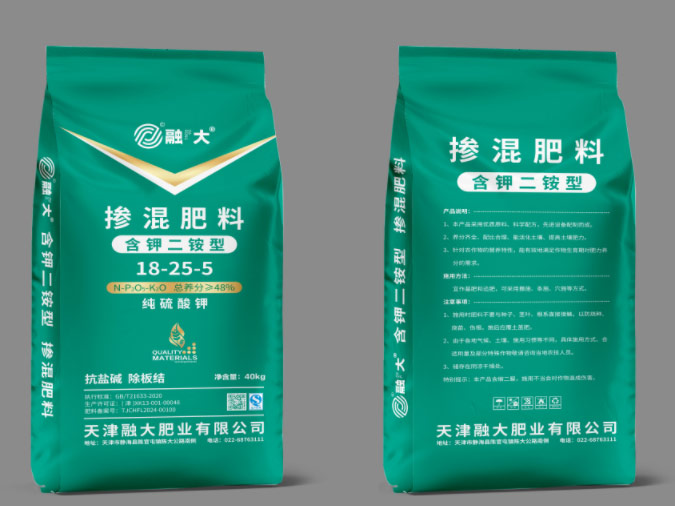
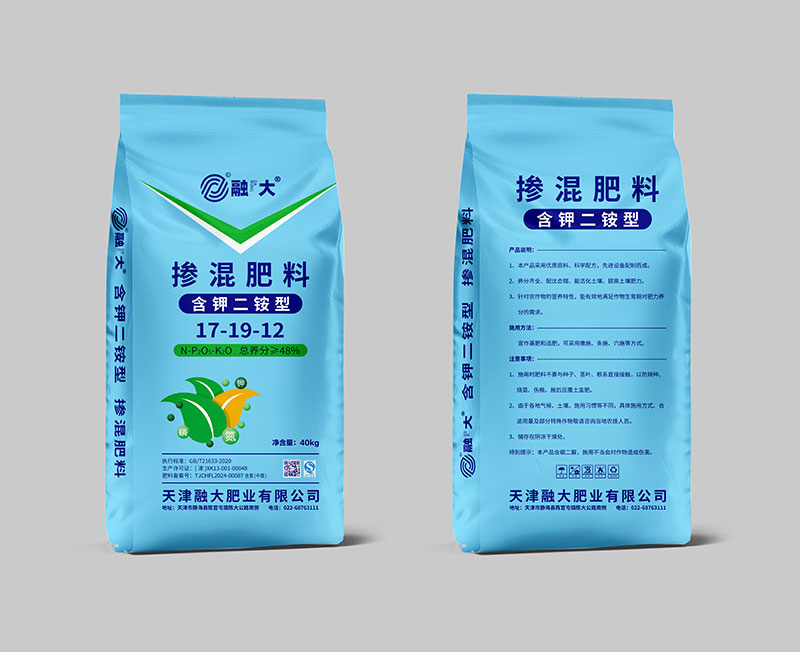
Qualified blended fertilizer and compound fertilizer can both meet the basic nutrient needs of crops without absolute quality differences. However, they differ greatly in applicable scenarios and cost performance, making blended fertilizer the top choice for large-scale farming.
Compound fertilizer is chemically synthesized with fixed nutrient ratios and stable physical and chemical properties. It is only suitable for conventional planting with no customized fertilization needs. Due to its fixed formula, it cannot adapt to differentiated soil and crop conditions, easily causing nutrient imbalance, fertilizer waste, and higher long-term planting costs.
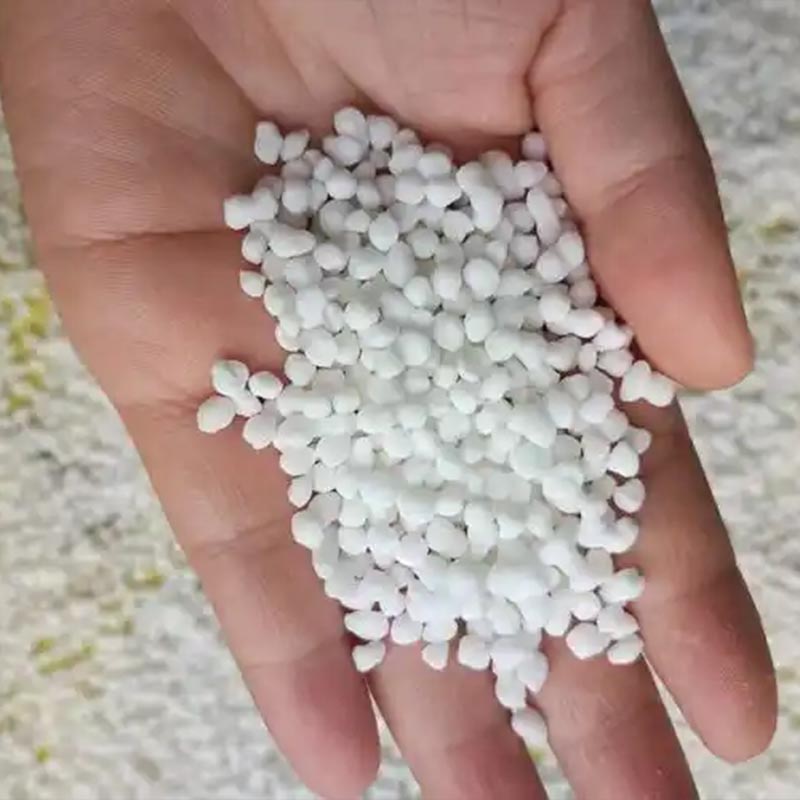
Blended fertilizer is physically mixed with high-quality single fertilizers. It can be mass-produced in factories or proportioned flexibly according to soil conditions, crop types, and growth stages. Its outstanding strengths include flexible formula, targeted nutrition, and ultra-high cost performance. It enables precise fertilization without nutrient waste and adapts to grain crops, vegetables, and cash crops. With the same fertilization effect, blended fertilizer costs far less than compound fertilizer, serving as the best solution for cost reduction and efficiency improvement in modern agriculture.
Suitable Climates and Land Types for Slow-Release Fertilizer
As a long-acting slow-release fertilizer, slow-control release fertilizer fits special planting scenarios perfectly. It can be used cooperatively with blended fertilizer to optimize fertilization effects and save labor costs.
It is most suitable for high-temperature and rainy areas as well as mountain slope lands. These lands have poor fertilizer retention capacity, and ordinary fertilizers are easily washed away by rainwater, requiring frequent topdressing and heavy labor input. Slow-release fertilizer releases nutrients slowly and durably with low leaching loss. One-time application provides long-term nutrition, ideal for long-cycle cash crops with high labor demand.
Benefits of Slow-Release Fertilizer for Greenhouse Planting
Greenhouses are closed planting environments. Long-term application of quick-acting fertilizers often causes salt accumulation, soil acidification and compaction, reduced soil microbial activity, and deteriorated crop growth and quality.
Slow-release fertilizer features mild and evenly released nutrients, effectively avoiding soil salt accumulation and acidification in greenhouses. It improves fertilizer utilization rate, maintains active soil microorganisms, and protects crop root health. Combined with customized blended fertilizer, it maximizes fertilization efficiency and realizes stable yield and quality improvement in greenhouse planting.
Application of Slow-Release Fertilizer in No-Till and Soilless Cultivation
For modern innovative planting modes, slow-release fertilizer boasts convenient operation and stable fertilizer efficiency with strong adaptability.
In no-till farming, it supports simultaneous sowing and fertilization. One-time application before sowing eliminates frequent topdressing, and regular irrigation can meet the full-cycle nutritional needs of crops, greatly saving labor. In soilless cultivation, traditional nutrient solution proportioning is difficult and prone to weak seedlings and stunted growth. Slow-release fertilizer provides stable and balanced nutrition, effectively solving seedling growth problems caused by improper nutrient ratio.
Unsuitable Planting Lands for Slow-Release Fertilizer
Slow-release fertilizer has clear application restrictions, and blind use will negatively affect crop yield.
Dry lands without irrigation conditions are not suitable for slow-release fertilizer. The nutrient release of this fertilizer relies on water activation. Low soil moisture in dry lands prevents normal nutrient release, resulting in insufficient crop nutrition, weak growth, and eventual yield reduction. Customized blended fertilizer is more applicable for such lands.
Summary
Compound fertilizer fits simple and conventional planting, while blended fertilizer is the optimal choice for most large-scale and refined planting scenarios thanks to its flexible formula, precise adaptability, and high cost performance. It effectively reduces planting costs and increases agricultural income. Slow-release fertilizer is applicable to rainy areas, slope lands, greenhouses, no-till farming, and soilless cultivation, but forbidden for dry lands. Growers can prioritize blended fertilizer and use slow-release fertilizer as a supplement to achieve optimal planting benefits.
FAQ
Q1: Which is better for large-scale planting, blended fertilizer or compound fertilizer?
Blended fertilizer is preferred. It supports customized formulas adapted to specific soil and crop conditions, avoids nutrient waste, and delivers higher cost performance, reducing long-term planting costs and stabilizing crop yields.
Q2: Is blended fertilizer suitable for greenhouse and soilless cultivation?
Yes. It is widely used in open-field and greenhouse planting with customizable formulas to improve soil quality and balance nutrition. For soilless cultivation, it can be matched with slow-release fertilizer to achieve precise nutrition and convenient operation.
Q3: Why is slow-release fertilizer suitable for mountainous and rainy areas?
Mountain slope lands have poor fertilizer retention, causing easy nutrient loss and frequent topdressing troubles. Slow-release fertilizer is long-acting and rain-resistant, reducing topdressing times and labor costs effectively.
Q4: What is the best fertilizer for dry lands?
Dry lands are not suitable for slow-release fertilizer. Flexible blended fertilizer is the best option, which can be applied in small and frequent doses to ensure stable nutrient absorption of crops.
Q5: Is the fertilization effect of regular blended fertilizer stable?
Blended fertilizer from formal manufacturers features scientific proportion and uniform mixing with stable fertilization effects. It provides more targeted nutrition and better yield and quality improvement effects than fixed-ratio compound fertilizer.
If you are looking for a reliable agricultural fertilizer supplier that delivers stable quality and professional support, Tianjin Rongda Fertilizer Industry Co., Ltd. is always ready to assist you. Contact us today to learn how our fertilizer solutions can boost your agricultural productivity.
Related News
- How Do Controlled-Release Curves Match Crop Demand?
- Can Magnesium Sulfate Be Used in Saline-Alkali Soil? What Are the Risks of Long-Term Application?
- How Do You Turn a Soil Test into a Blend Sheet?
- How Does Applying Magnesium Sulfate After Grape Harvest Help Bud Burst in the Next Year?
- Which Magnesium Sulfate Fits Your Ground?
- Can Foliar Spraying Magnesium Sulfate During Fruit Expansion Improve Fruit Sweetness?
Leave me a message