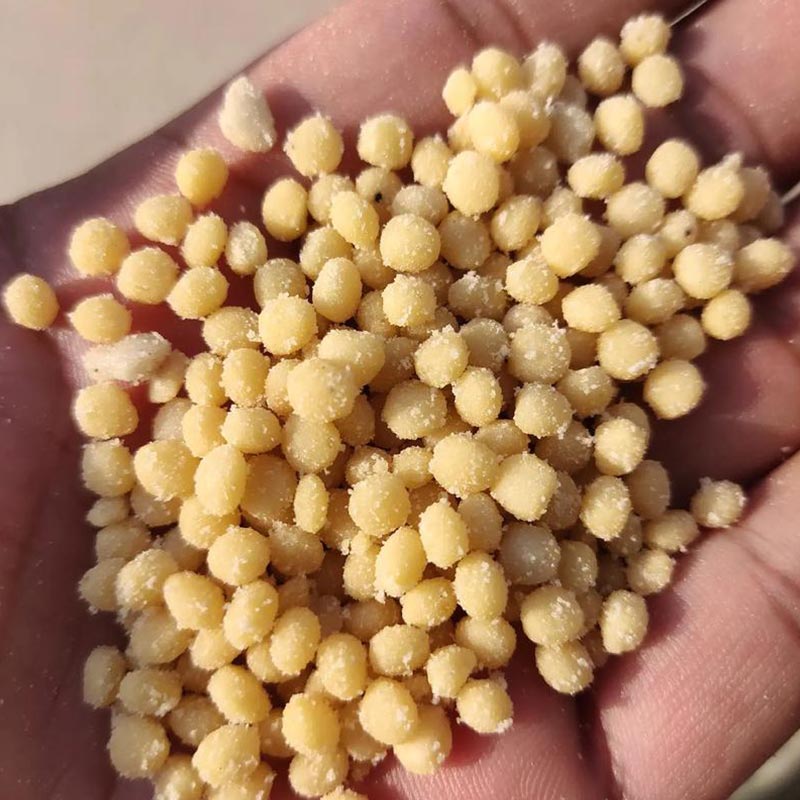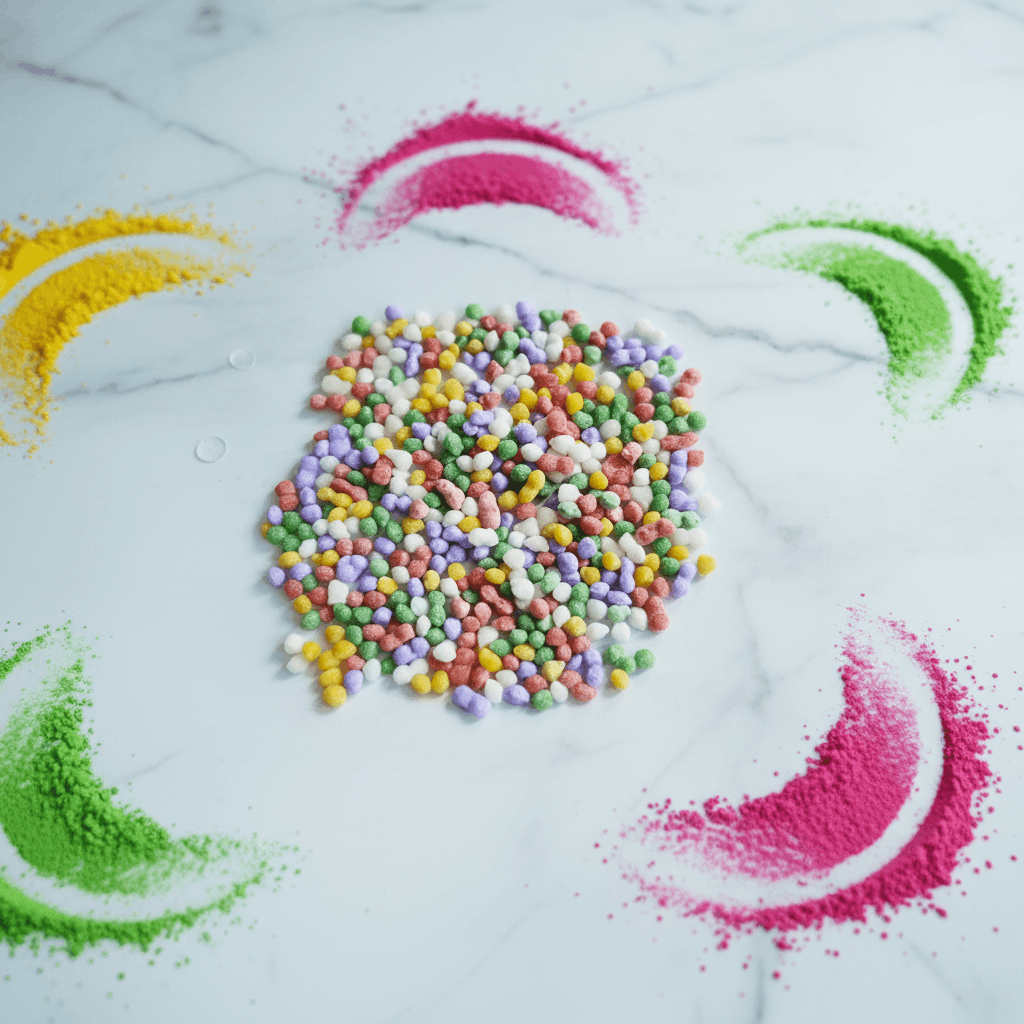

What Are the Differences Between Various Controlled-Release Fertilizers?
Controlled-release fertilizers are widely used in modern agriculture for their long-term nutrient supply and labor-saving advantages. However, different types vary greatly in release principles, coating materials, fertilizer performance, and application scenarios. Improper selection may lead to nutrient waste, seedling burn, or insufficient nutrition in later growth stages. This article concisely analyzes the core differences among common controlled-release fertilizers to help growers choose and apply fertilizers scientifically.
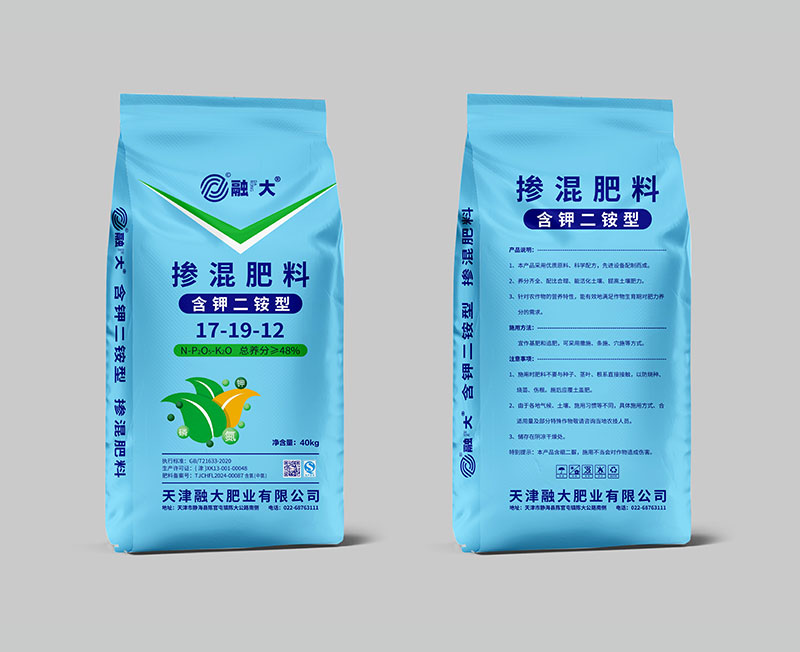
If you are looking for a reliable agricultural fertilizer supplier that delivers stable quality and professional technical support, Tianjin Rongda Fertilizer Co., Ltd. is always ready to assist you. Contact us today to learn how our professional fertilizer solutions can improve your agricultural productivity.
Table of Contents
• Release Mechanism: Physical Coating vs. Chemical Regulation
• Coating Material Differences: Resin, Sulfur and Wax
• Nutrient Release Characteristics and Performance
• Applicable Scenarios for Different Fertilizer Types
• Nutrient Formula Differences and Selection Tips
Release Mechanism: Physical Coating vs. Chemical Regulation
Brief introduction: Controlled-release fertilizers are mainly divided into physical coating and chemical regulation types, whose working principles determine fertilizer stability and adaptability.
Coated controlled-release fertilizer: Fertilizer particles are wrapped with protective films to form a physical barrier. Water penetrates the coating and gradually dissolves internal nutrients, which are slowly released through tiny pores. The release speed is determined by coating thickness and density, featuring stable performance and low environmental interference.
Chemically regulated controlled-release fertilizer: The chemical structure of fertilizer molecules is artificially modified. Nutrients are gradually decomposed and released by soil microorganisms, temperature, and pH changes. Typical products include urea-formaldehyde fertilizers. This type delivers mild nutrient release but is less stable than coated fertilizers.
Coating Material Differences: Resin, Sulfur and Wax
Brief introduction: Coating material is the core factor that distinguishes fertilizer quality, cost, and application range.
Resin-coated fertilizer: Made of high-polymer resin with excellent toughness and airtightness. It provides precise, uniform, and customizable nutrient release cycles. Although the cost is relatively high, it is stable and suitable for high-value cash crops and orchards.
Sulfur-coated fertilizer: Uses sulfur as the main coating material, which can supplement essential sulfur nutrients for crops. It offers high cost performance for general field crops. The downside is that its release effect is easily affected by soil microbial activity, resulting in relatively unstable performance.
Wax-coated fertilizer: Features low-cost wax materials with simple production processes. It is affordable but poor in high-temperature resistance. The coating softens easily in hot weather, shortening the release cycle. It is mostly used for short-cycle vegetables and flowers.
Nutrient Release Characteristics and Performance
Brief introduction: Different controlled-release fertilizers differ greatly in release cycle, stability, and initial nutrient release, affecting the entire growth of crops.
In terms of release cycle, short-term fertilizers last 1 to 3 months for fast-growing crops, while long-term products can sustain 6 to 12 months for fruit trees and Chinese medicinal herbs. Resin-coated fertilizers maintain the most uniform and stable release throughout the cycle. By contrast, sulfur-coated and chemically regulated fertilizers are susceptible to temperature, humidity, and microbial activity, causing unstable release rates. High-quality resin-coated fertilizers have low initial burst release and avoid seedling burn, while ordinary wax and sulfur coatings are more likely to cause early nutrient loss.
Applicable Scenarios for Different Fertilizer Types
Brief introduction: Each type of controlled-release fertilizer matches specific crops, soil conditions, and fertilization methods for optimal results.
For crop selection, short-cycle vegetables and seedlings adapt to 1–3 month quick-release fertilizers, while fruit trees and perennial crops require 6+ month long-term controlled-release fertilizers. For soil conditions, sandy soil with poor fertilizer retention prefers stable resin-coated fertilizer to reduce nutrient leakage. Clay soil is suitable for sulfur-coated and chemically regulated fertilizers. In terms of fertilization methods, long-cycle products are ideal for base fertilization, while short-cycle types fit topdressing. Drip irrigation systems require uniform particles that will not block pipelines.
Nutrient Formula Differences and Selection Tips
Brief introduction: Controlled-release fertilizers include single-nutrient and compound formulas, which can be selected according to crop nutritional characteristics.
Single-nutrient controlled-release fertilizers are used for targeted nutrient supplementation. Compound formulas containing nitrogen, phosphorus, potassium, and trace elements are more widely applicable. Leafy vegetables need high-nitrogen formulas, while flowering and fruiting crops require high-phosphorus and high-potassium ratios to better support reproductive growth and yield improvement.
Summary
Resin-coated controlled-release fertilizers feature high stability and long effectiveness for high-value crops. Sulfur-coated products are cost-effective and suitable for common field planting. Wax-coated fertilizers are economical but only fit short-cycle crops. Chemically regulated fertilizers release mildly and adapt to stable soil environments. Reasonable selection based on crop cycle, soil texture, and fertilization purposes can reduce fertilization frequency, minimize nutrient waste, and achieve stable yield and quality improvement.
FAQ
Q1: Which is better, resin-coated or sulfur-coated fertilizer?
Resin-coated fertilizer is more stable and suitable for high-quality and long-cycle planting. Sulfur-coated fertilizer is cost-effective and can supplement sulfur elements, ideal for ordinary field crops.
Q2: Is a longer release cycle always better?
No. The release cycle must match the crop growth period. Excessively long cycles for short-season crops cause nutrient surplus, while short cycles for perennial crops lead to late-stage nutrient deficiency and yield loss.
Q3: What controlled-release fertilizer is suitable for sandy soil?
Sandy soil has poor water and fertilizer retention. Resin-coated controlled-release fertilizer is the best choice due to its stable controlled-release performance, which effectively reduces nutrient leakage and waste.
Q4: What is the difference between chemically regulated and coated fertilizer?
Chemically regulated fertilizers rely on soil microbial decomposition and are easily affected by the environment. Coated fertilizers adopt physical control, delivering more uniform and reliable nutrient release with wider adaptability.
Q5: Can controlled-release fertilizer be used in drip irrigation systems?
Yes. It is recommended to use special controlled-release fertilizers with uniform particles and few impurities to avoid pipeline blockage and ensure normal irrigation operation.
If you are looking for a reliable agricultural fertilizer supplier that delivers stable quality and professional technical support, Tianjin Rongda Fertilizer Co., Ltd. is always ready to assist you. Contact us today to learn how our professional fertilizer solutions can improve your agricultural productivity.
Related News
- How Do Water-Soluble Fertilizers Feed Drip-Irrigated Crops?
- What Can Calcium Magnesium Granules Do for Degraded and Acid Soils?
- What Are the Top 10 Signs of Magnesium Deficiency in Crops?
- Why Do Modern Crops Need More Sulfur Than NPK Provides?
- How to Apply Magnesium Sulfate to Orchards, Vegetables & Field Crops?
- Is Calcium Ammonium Nitrate a Safer Nitrogen for Stressed Soils?
Leave me a message