
Why Ammonium Sulfate Is Suitable for Various Cash-Crop Planting Plots Compared With Other Nitrogen Fertilizers
Nitrogen fertilizers such as urea, calcium ammonium nitrate and ammonium sulfate vary greatly in properties. Improper fertilizer selection will reduce efficiency and harm soil. As a Chinese fertilizer exporter, Rongda draws on export and field experience to analyze the dual nitrogen-sulfur advantages of ammonium sulfate, its compatibility with diverse cash-crop fields, and share practical selection & application tips.

Table of Contents
1. Brief Comparison of Mainstream Nitrogen Fertilizers on the Market
2. Core Fertilizer Properties of Ammonium Sulfate
3. Adaptation Logic of Ammonium Sulfate for Different Cash-Crop Plots
4. Practical Application Notes for Ammonium Sulfate
5. Sourcing Perspective: Ammonium Sulfate Supply from Rongda
1. Brief Comparison of Mainstream Nitrogen Fertilizers on the Market
A wide range of nitrogen fertilizers are used in agricultural production. They vary in nitrogen content, secondary components and impacts on soil.
Urea is a high-nitrogen straight nitrogen fertilizer with relatively mild effect. It only supplies nitrogen without secondary nutrients such as sulfur. It performs well in slightly alkaline soils. Long-term single application cannot supplement sulfur, which may trigger sulfur-deficiency yellow leaves in some cash crops.
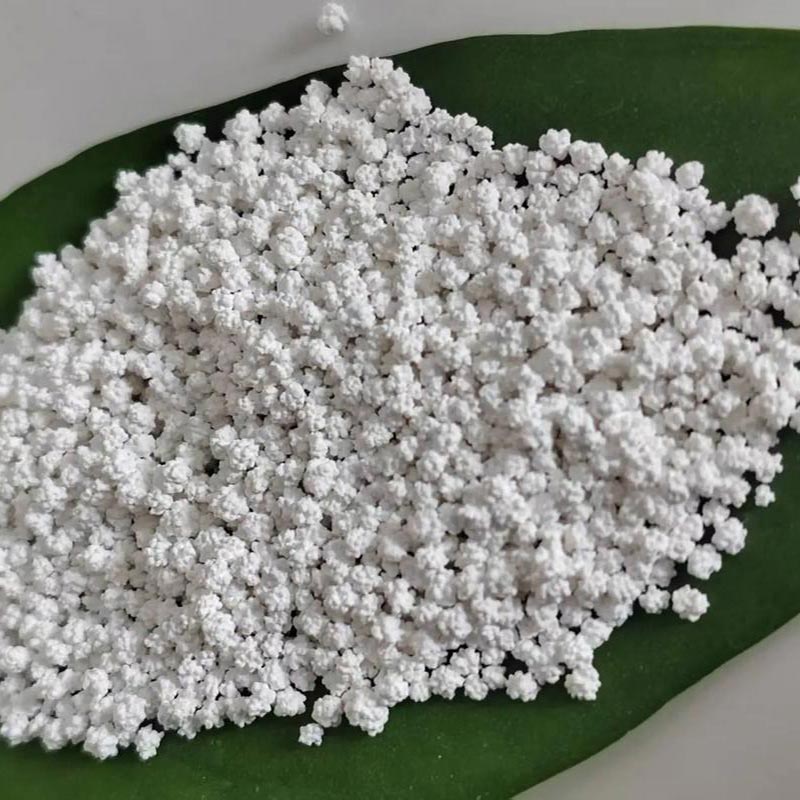
Calcium ammonium nitrate provides both nitrogen and calcium. It dissolves fast and suits calcium-loving crops. Nevertheless, it comes with higher costs and special requirements for storage & transportation, bringing heavy economic pressure for large-scale field cash-crop planting.
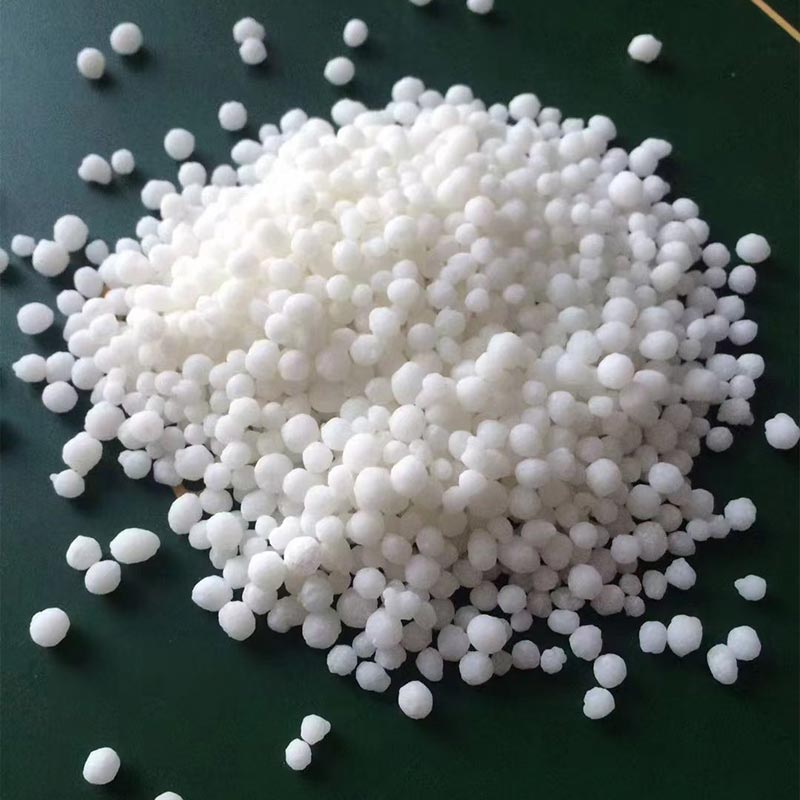
Ammonium sulfate is a nitrogen-sulfur compound fertilizer. It delivers nitrogen together with sulfur. It features stable physical-chemical performance, low moisture absorption and low caking tendency, lowering barriers for storage, transportation and application. That is why ammonium sulfate from Rongda keeps attracting growers and overseas buyers across the globe.
2. Core Fertilizer Properties of Ammonium Sulfate
With clear nutrient composition, ammonium sulfate stands out from ordinary straight nitrogen fertilizers in two major aspects.
First, simultaneous supply of nitrogen and sulfur. Nitrogen supports vegetative growth of crops, while sulfur participates in the synthesis of protein and chlorophyll. Many farmlands only receive nitrogen input but ignore sulfur supply, resulting in yellow young leaves, weak growth and poor fruit quality. Ammonium sulfate supplies both key nutrients at the same time.
Second, moderate conditioning effect for alkaline soils. For alkaline northern soils, ammonium sulfate helps optimize soil conditions and improves availability of trace elements including phosphorus, zinc and iron, so crops can better absorb native soil nutrients.
Third, excellent physical stability. It has uniform granules and good water-solubility. It can be applied as base fertilizer by broadcasting, as well as via drip irrigation and flood fertigation, compatible with water-fertilizer integrated systems for both traditional farmlands and modern planting bases. Processed with purification technology, Rongda ammonium sulfate forms clear solution after dissolution, effectively reducing clogging risks of drip irrigation pipelines for modern fertigation systems.
3. Adaptation Logic of Ammonium Sulfate for Different Cash-Crop Plots
Fruit & Vegetable Plots
Fruits and vegetables are sensitive to sulfur deficiency, which directly hinders fruit expansion and commodity quality. Used as top-dressing, ammonium sulfate continuously supplies nitrogen and sulfur, promotes dark-green leaves and stabilizes fruit-setting performance. It works well for apple, citrus, leafy vegetables and many other fruit and vegetable crops.
Medicinal & Floral Plots
Many special cash crops are sensitive to soil pH and vulnerable to fertilizer shock. Ammonium sulfate releases nutrients steadily without sudden nutrient burst, delivers consistent nutrition and lowers fertilizer-burn risks for medicinal herb and flower planting bases.
Field Cash-Crop Plots
Cotton and oil-bearing crops have high sulfur demand, and sulfur is closely related to oil synthesis. Applied as base or top-dressing in fields, ammonium sulfate improves crop growth and yield with favorable cost-performance, ideal for large-scale continuous farmland.
Note: Ammonium sulfate is more suitable for neutral and alkaline soils. Continuous heavy application on strongly-acidic soils shall be matched with lime-based materials for soil conditioning.
4. Practical Application Notes for Ammonium Sulfate
1. Avoid excessive single application. Combine with phosphorus and potassium fertilizers to realize balanced fertilization.
2. Fully dissolve and implement filtration for drip-irrigation use to reduce pipeline blockage.
3. Do not rely solely on ammonium sulfate year after year in acidic soils; conduct regular soil pH monitoring.
4. Adjust fertilization timing according to crop growth stages, apply top-dressing as needed at seedling and vigorous-growth periods.
5. Sourcing Perspective: Ammonium Sulfate Supply from Rongda
In the global agrochemical trade, ammonium sulfate wins favor among overseas importers and distributors thanks to stable supply, versatile uses and convenient marine transportation & warehousing.
As a Chinese fertilizer exporter, Rongda strictly controls key indicators including nitrogen content, moisture, particle size and caking rate for its ammonium sulfate products. Full-set documents such as COA and MSDS are available to satisfy import customs clearance and inspection requirements of different countries. For overseas clients targeting the cash-crop fertilizer track, Rongda ammonium sulfate is a highly practical nitrogen-fertilizer option.
Conclusion
There is no one-size-fits-all fertilizer, only fertilizer matching specific scenarios. Compared with other nitrogen fertilizers, ammonium sulfate delivers prominent performance in various cash-crop planting plots due to dual nitrogen-sulfur nutrition, stable properties and wide applicability. Its fertilizer efficiency can be maximized with rational application based on soil conditions and crop types.
Related News
- Will Continuous Application of Magnesium Sulfate on Acidic Soil Aggravate Soil Acidification?
- How Do Controlled-Release Curves Match Crop Demand?
- Can Magnesium Sulfate Be Used in Saline-Alkali Soil? What Are the Risks of Long-Term Application?
- How Do You Turn a Soil Test into a Blend Sheet?
- How Does Applying Magnesium Sulfate After Grape Harvest Help Bud Burst in the Next Year?
- Which Magnesium Sulfate Fits Your Ground?
Leave me a message