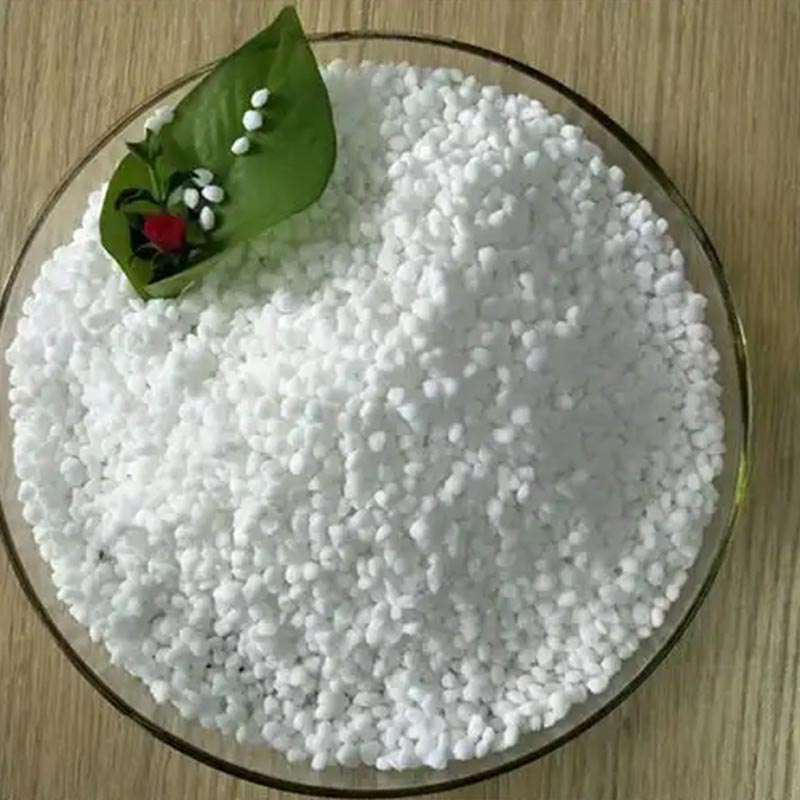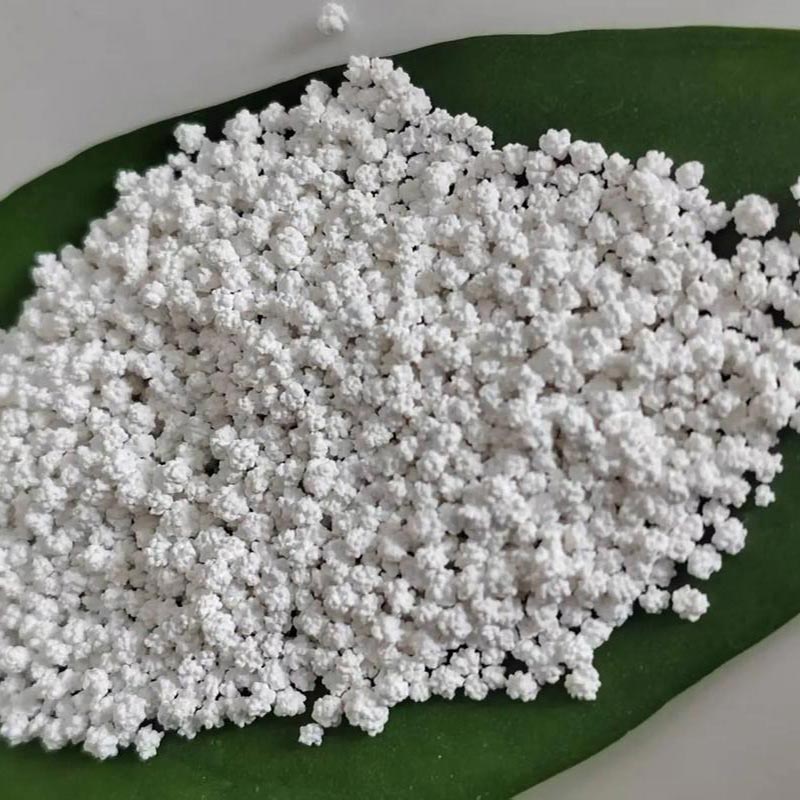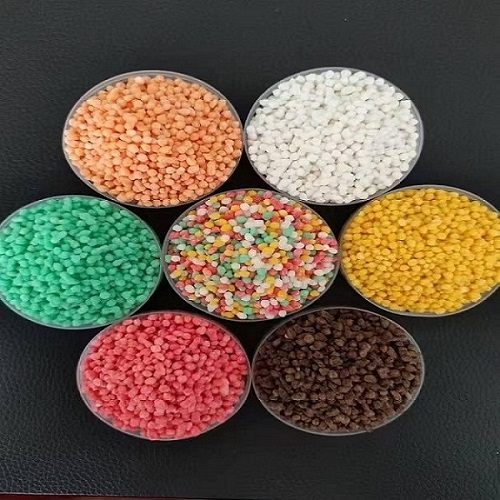

How to Use Calcium Magnesium Granules for Salt Reduction and Soil Improvement in Salinized Greenhouse Soil
The closed environment of greenhouses and excessive fertilization year after year easily cause salt accumulation on topsoil, leading to soil salinization. Typical symptoms include white salt crust on soil surface, poor water absorption of roots, stunted seedlings, frequent physiological disorders. RONGDA Calcium Magnesium Granules rely on calcium and magnesium ion exchange to loosen soil and improve salt leaching capacity. This article explains its salt-reduction mechanism, application timing, matched leaching plans and usage restrictions, helping growers repair degraded greenhouse soil scientifically.
Table of Contents
1. Hazards and formation characteristics of salinized greenhouse soil
2. Core principle of calcium magnesium granules for salt reduction and soil remediation
3. Application plan of calcium magnesium granules for salinized greenhouses
4. Supporting leaching management to boost salt removal effect
5. Key taboos for using calcium magnesium granules in saline greenhouses
1. Hazards and formation characteristics of salinized greenhouse soil
Greenhouses are semi-closed planting spaces without natural rainfall leaching. Long-term frequent application of compound fertilizers and water-soluble fertilizers leads to continuous accumulation of nitrate, sodium, sulfate and other salt ions in the plow layer, raising soil EC value. Salinized soil has blocked pores and poor permeability. Roots suffer from osmotic stress, which easily causes seedling wilting, slow recovery, few new roots, leaf margin scorch, deformed fruits, blossom-end rot and fruit cracking. Many growers only use flood irrigation for salt leaching, which is a temporary solution. Without improving soil compaction, salt will quickly return to topsoil.
2. Core principle of calcium magnesium granules for salt reduction and soil remediation
RONGDA Calcium Magnesium Granules release calcium ions and magnesium ions, which exchange with sodium ions adsorbed on soil colloids. Sodium ions are displaced into soil solution and flushed downward with irrigation water to reduce sodium adsorption ratio. Meanwhile, calcium and magnesium ions promote soil colloid flocculation and soil aggregate formation, break compaction, improve permeability and drainage. This makes it easier for irrigation water to wash away excess salts and prevents salt from accumulating on the surface via capillary rise. It does not directly eliminate salts. Its function is soil structure improvement + harmful cation displacement, creating favorable conditions for salt leaching, while supplementing calcium and magnesium to relieve deficiency induced by salt stress.
3. Application plan of calcium magnesium granules for salinized greenhouses
✅ Best application window: fallow period between crop cycles, the golden time for salt remediation
· Mild salinization (occasional white crust, normal crop growth): broadcast and plough, moderate dosage to prevent further salt accumulation and maintain soil structure;
· Moderate salinization (obvious white crust, frequent stunting and leaf scorch): prioritize broadcast + deep ploughing, spread granules evenly into 15–25 cm plow layer to fully contact soil colloids;
· Severe salinization (thick salt crust, seedling death): avoid one-time heavy dosage. Apply in two separate rounds with irrigation leaching in between, to prevent sharp spike of local ion concentration and worse salt damage.
✅ Recommended application method Full-field broadcast and plough-in is preferred. Concentrated furrow or hole application is not recommended. Local high ion concentration may aggravate root salt stress in a short time.
4. Supporting leaching management to boost salt removal effect
Calcium magnesium granules cannot achieve deep salt removal without irrigation. A complete leaching process is required:
1. After broadcasting and ploughing, carry out flood irrigation or continuous drip irrigation to saturate soil, so displaced sodium ions move down with water. Subsurface drainage pipes are recommended if available;
2. Cover soil with straw to reduce evaporation inside greenhouse and inhibit salt returning to surface via capillary water;
3. Combine with well-rotted organic fertilizer and straw return to raise soil organic matter, stabilize aggregates and slow salt rebound.
5. Key taboos for using calcium magnesium granules in saline greenhouses
· Choose RONGDA Calcium Magnesium Granules with stable nutrient content and low impurities, to avoid introducing extra soluble salts;
· Do not mix with high-salt compound fertilizers and fast-release water-soluble fertilizers in large amounts at the same time, which increases total soil salt and offsets salt reduction effect;
· Do not apply immediately when crops are wilting under severe salt stress. Use fresh water to leach salt first and relieve stress before soil conditioning;
· Avoid frequent over-application year after year. Test soil EC and pH regularly. Reduce dosage or apply intermittently once indicators return to normal range;
· For saline-alkali composite soil (high pH + salinization), control dosage to prevent continuous pH rise, which locks phosphorus, iron, zinc and other trace elements.
Remediation of salinized greenhouse soil requires integrated management. Calcium magnesium granules help rebuild soil permeability and displace harmful sodium ions. Combined with proper leaching, rational fertilization and straw mulching, soil EC can be steadily lowered, root health restored and physiological deficiency diseases reduced.
Related News
- Which Starter Fertilizer Is Safe for Seedlings and Young Transplants?
- Can Calcium Magnesium Granules Be Foliar Sprayed for Magnesium Deficiency Causing Yellow Old Leaves in Fruit Trees?
- When Does Foliar Feeding Beat Soil Application for Crop Nutrition?
- When to Apply Calcium Magnesium Granules for Fast Relief from Blossom-End Rot in Tomatoes
- Why Does Soil pH Decide Which Fertilizer Works Best on Your Field?
- Why Are Calcium Magnesium Granules More Reliable for Fruit Cracking Prevention Than Single Calcium Fertilizers for Calcium Supplementation?
Leave me a message
New Products

News Recommendations