
Will Long-term Application of Calcium Magnesium Granules on Acidic Soil Cause Excessive Alkalization?
Acidified soil widely exists in orchards and vegetable greenhouses. Many growers choose calcium magnesium granules to adjust soil acidity and supplement nutrients, yet they worry that continuous application will raise soil pH and trigger over-alkalization. Combined with RONGDA’s field agronomic experience, this article explains the acid-adjusting mechanism of calcium magnesium granules, the changing rule of soil pH, safe application cycles and dosage standards. It guides scientific fertilization to improve acidic soil while avoiding alkalization risks.
Table of Contents
1. How Do Calcium Magnesium Granules Improve Acidified Soil?
3. Which Conditions Bring High Risks of Rising pH and Alkalization?
4. Scientific Application Plan for Calcium Magnesium Granules on Acidic Soil
5. RONGDA Practical Tips: Soil pH Monitoring and Supporting Management
1. How Do Calcium Magnesium Granules Improve Acidified Soil?
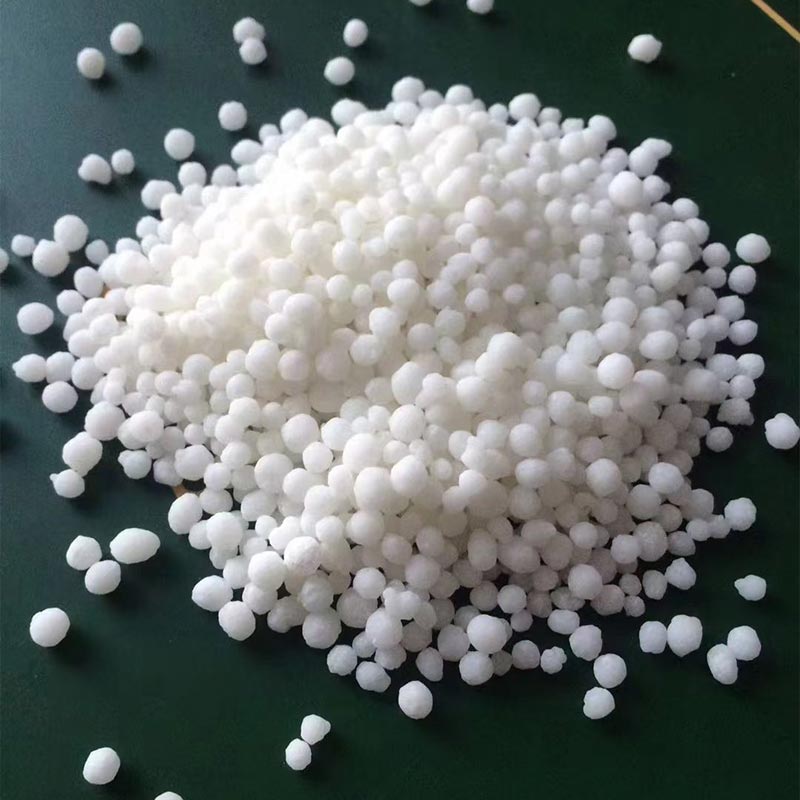
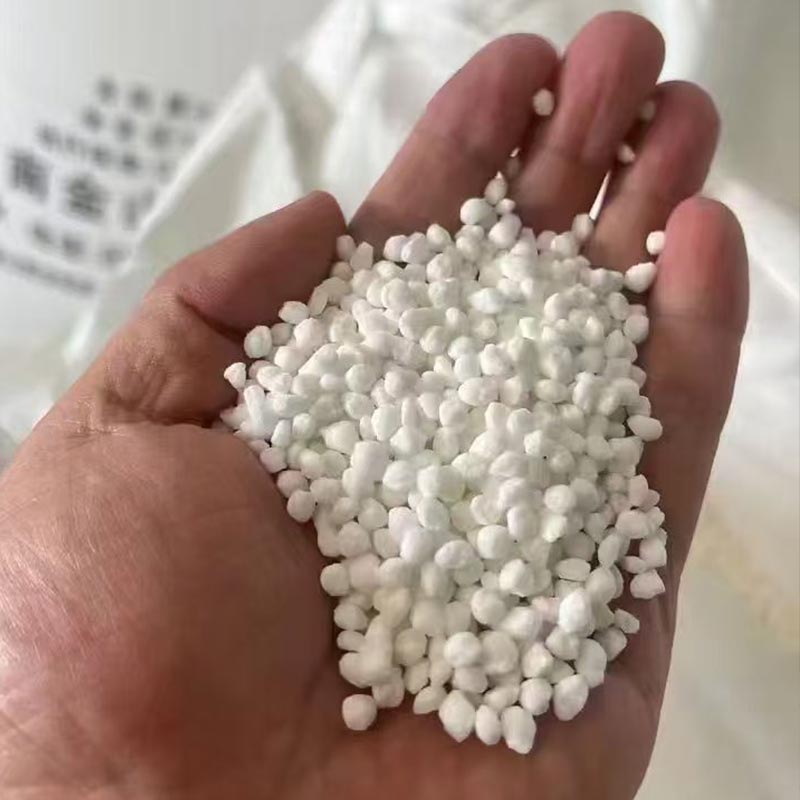
Soil acidification comes from accumulated hydrogen ions and activated aluminum ions, which restrain root growth and easily trigger calcium & magnesium deficiency and continuous cropping diseases. RONGDA Calcium Magnesium Granules are weakly alkaline soil conditioners. After application, they neutralize excess hydrogen ions in soil, reduce active aluminum toxicity, and supply calcium and magnesium secondary nutrients at the same time, realizing soil conditioning + nutrient supplementation. Compared with quicklime, calcium magnesium granules feature mild alkalinity and slow neutralization speed. They will not lift soil pH sharply in a short time, and nutrients release steadily for long-term soil conditioning of acidic plots.
2. Does Long-term Continuous Use of Calcium Magnesium Granules Really Lead to Excessive Alkalization?
With controlled dosage and regular soil testing, proper annual application will NOT easily cause excessive alkalization. Overdosing and repeated blind application will create alkalization risks.
The acid-neutralizing capacity of calcium magnesium granules has a limit. Different soil buffer capacity brings different results:
· Clay acidic soil with strong buffer capacity: It can tolerate regular recommended dosage. The pH rises slowly, and over-alkalization rarely occurs.
· Sandy acidic soil with weak buffer capacity: Few soil colloids for nutrient retention. If you apply high doses year after year, soil pH may climb rapidly to neutral or weakly alkaline ranges.
Once soil pH exceeds the suitable range, phosphorus, iron, manganese, zinc and other trace elements will be fixed and unavailable, resulting in new yellowing deficiency symptoms and poor crop performance.
3. Which Conditions Bring High Risks of Rising pH and Alkalization?
1. No soil test, blindly increasing dosage year by year according to planting experience;
2. Sandy acidic soil with poor buffer capacity, receiving frequent and heavy application;
3. Co-application of multiple alkaline amendments including lime and dolomite powder;
4. Soil pH has already returned to the ideal range, but you still apply the heavy dosage for severely acidified soil.
Key reminder: Calcium magnesium granules are soil conditioners, not mandatory base fertilizer with fixed annual dosage. Once pH reaches the target level, reduce dosage or apply intermittently.
4. Scientific Application Plan for Calcium Magnesium Granules on Acidic Soil
✅ Step 1: Take soil tests as the core fertilization basis Test soil pH and calcium-magnesium saturation every 1–2 years, and adjust dosage based on test reports. Most fruit and vegetable crops prefer pH 5.5–6.8.
✅ Step 2: Graded application strategy
· Severe acidification (pH<5.0): Apply full recommended dosage in the first year to neutralize acidity rapidly;
· Moderate acidification (pH 5.0–5.5): Use standard dosage for continuous conditioning;
· pH above 5.5: Reduce dosage or apply once every other year, mainly to maintain soil calcium & magnesium reserve;
· pH>6.8: Stop applying calcium magnesium granules. Use organic fertilizer and humic acid products to stabilize soil condition.
✅ Step 3: Recommended application method Broadcast and plough into soil for base fertilizer to mix granules evenly with topsoil. Avoid concentrated furrow or hole application, which causes local high alkalinity, root burn and sharp pH spikes.
✅ Step 4: Balanced water and fertilizer management For fields with long-term calcium magnesium granule input, add well-rotted organic fertilizer to improve soil buffer capacity and stabilize pH, avoiding dramatic pH fluctuations.
5. RONGDA Practical Tips: Soil pH Monitoring and Supporting Management
· Choose RONGDA Calcium Magnesium Granules, with stable nutrient ratio and mild alkalinity for uniform acid neutralization and reliable control;
· Do not pre-mix calcium magnesium granules with high-concentration phosphate fertilizer solution, to prevent calcium-phosphorus precipitation and nutrient loss;
· For sandy soils with strong leaching in rainy seasons, control single dosage instead of large one-time input;
· If soil pH accidentally gets too high, adjust it slowly with humic acid or mild physiological acidic fertilizers. Do not use strong acid materials for quick correction.
Acidified soil conditioning is a long-term process. The core principle is on-demand conditioning + dynamic pH monitoring. Keep soil pH within the crop suitable range, and calcium magnesium can continuously promote root growth, reduce fruit cracking and control blossom-end rot.
Related News
- Which Starter Fertilizer Is Safe for Seedlings and Young Transplants?
- Can Calcium Magnesium Granules Be Foliar Sprayed for Magnesium Deficiency Causing Yellow Old Leaves in Fruit Trees?
- When Does Foliar Feeding Beat Soil Application for Crop Nutrition?
- When to Apply Calcium Magnesium Granules for Fast Relief from Blossom-End Rot in Tomatoes
- Why Does Soil pH Decide Which Fertilizer Works Best on Your Field?
- Why Are Calcium Magnesium Granules More Reliable for Fruit Cracking Prevention Than Single Calcium Fertilizers for Calcium Supplementation?
Leave me a message

News Recommendations