
How Do You Rotate Ammonium Chloride Safely? Chloride Budgets, Buffers and Monitoring
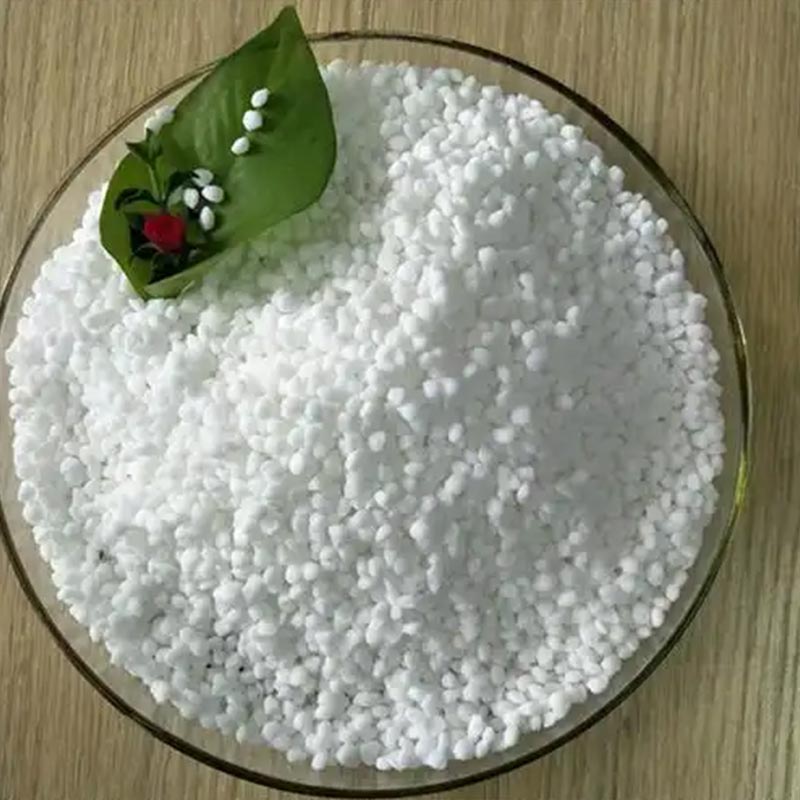
Ammonium chloride is economy nitrogen whose baggage is chloride - and chloride is not a poison but a nutrient most crops tolerate and several actually enjoy. The problem is arithmetic: chloride accumulates wherever water cannot move it. This article turns chloride from a fear into a number - a seasonal budget, rotation rules, buffer practice and monitoring that let paddy and plantation programs run AC for years without surprises.
In this article
- Chloride Is a Nutrient With a Temper
- Where Chloride Goes
- The Chloride Budget in One Line
- Rotation Rules That Work
- Monitoring and Course Correction
- The Honest Limits
- Buying and Using Basics
- Frequently Asked Questions
- Conclusion
Chloride Is a Nutrient With a Temper
Chloride is a recognized micronutrient: it participates in osmotic regulation and in the photosynthetic reactions that split water. Crops sort into tolerance bands - tolerant to fond of chloride: rice, oil palm, coconut, kiwifruit, asparagus, celery, sugar beet and most cereals; sensitive: tobacco, potato, grapes, citrus, berries and many vegetables, where excess chloride degrades curing quality, starch or fruit character. Between the bands sits the whole art of rotation.
Where Chloride Goes
Chloride moves exactly like nitrate - with the water. In humid monsoon climates with functioning drainage, seasonal rainfall leaches it below the root zone and the slate resets each year. It accumulates in arid zones, in heavily irrigated fields with poor leaching fraction, over high water tables, and anywhere drainage is broken. Accumulated chloride raises soil EC, drags down the osmotic environment roots experience, and hits sensitive crops first.
The Chloride Budget in One Line
Chloride applied (kg/ha) = nitrogen rate x 2.6 - because ammonium chloride carries roughly 66% chloride against 25% nitrogen. A 120 kg N program through AC delivers about 310 kg of chloride per hectare; a 180 kg program, about 470 kg. Compare that number with what your rainfall and irrigation can actually move: annual drainage above roughly 300-400 mm keeps pace easily; deficit-irrigated desert ground does not. If the budget cannot be flushed, the budget must shrink - or the source must change.
Rotation Rules That Work
- Ride the paddy cycle. Flooded rice tolerates chloride, and paddy water management is leaching management; AC fits the rice phase of the rotation naturally.
- Leave a leaching gap before sensitive crops. A sensitive vegetable or orchard crop may follow AC - after a genuine leaching season (monsoon, paddy flooding) has moved the chloride down.
- Mind the neighbors. Chloride applied to one block reaches the adjacent sensitive block through runoff and shallow lateral flow; keep buffer distance or cut the rate near sensitive plantings.
- Skip it in nurseries. Seedbeds and nursery media concentrate root-zone salts fast; use chloride-free sources there regardless of the main field program.Dilute, do not eliminate. Where AC fits the budget but tightly, blending it with urea or ammonium sulfate lowers the chloride per kilogram of nitrogen without giving up the price advantage entirely.
Monitoring and Course Correction
- Soil chloride and EC tests once a year in any field where AC runs repeatedly - a 15-minute test that costs far less than one lost sensitive crop.
- Leaf chloride analysis on perennial crops (palm, coconut, kiwifruit) tells you whether the program is drifting before yield says so.
- Watch acidity too: AC is a strong physiological acidifier; lime where pH drifts, exactly as with any ammonium program.
- The only removal tool is water. No amendment binds chloride usefully - if the test says accumulate, the answers are leaching, lower rate, or a different nitrogen source.
The Honest Limits
- In genuinely arid, closed-basin soils, AC is simply the wrong tool - no rotation trick changes the water balance.
- Tolerance is varietal as well as species-level; sensitive varieties of a tolerant crop exist.
- Every leaf scorch is not chloride. Salinity, potassium deficiency and drought stress mimic each other - diagnose before you indict the nitrogen source.
- The chloride budget does not excuse the acidity budget; both run at once under AC.
Buying and Using Basics
- COA: nitrogen content (25% class), moisture, and physical form - flake for paddy broadcast, granular if it must blend.
- Confirm blending compatibility where AC joins urea or AS in one bag.
- Store dry as always; AC is hygroscopic enough to punish careless warehousing.
- Keep the field history file: rate, date, crop, next crop - the rotation rule is only as good as the record behind it.
Frequently Asked Questions
Q1:How many seasons can rice ground run AC?
Decades - where flooding, drainage and pH checks are actually practiced. The failures are management failures, not chemistry ones.
Q2:Can AC and urea share a blend?
Yes; the pair is common in paddy programs and lowers chloride per unit N versus pure AC.
Q3:Will monsoon rain clear the chloride?
Yes - if the water drains below the root zone. Ponded fields that evaporate more than they drain collect chloride instead.
Q4:My tobacco neighbor blames my AC. Could he be right?
If his block sits downslope or the water table is shared, plausibly yes. Buffers and drainage planning exist for exactly this conversation.
Conclusion
Chloride discipline is bookkeeping, not superstition: one multiplication line for the budget, one leaching question for the field, one buffer rule for the neighbors, one test per year. Run the numbers and ammonium chloride stays what it should be - the cheapest honest nitrogen for the fields that can carry it.
If you are looking for a reliable fertilizer supplier that offers consistent quality and professional support,Tianjin Rongda Fertilizer Co., Ltd. is ready to help. Contact us today to learn how our fertilizer solutions can improve your agricultural productivity.
Related News
- Which Starter Fertilizer Is Safe for Seedlings and Young Transplants?
- Can Calcium Magnesium Granules Be Foliar Sprayed for Magnesium Deficiency Causing Yellow Old Leaves in Fruit Trees?
- When Does Foliar Feeding Beat Soil Application for Crop Nutrition?
- When to Apply Calcium Magnesium Granules for Fast Relief from Blossom-End Rot in Tomatoes
- Why Does Soil pH Decide Which Fertilizer Works Best on Your Field?
- Why Are Calcium Magnesium Granules More Reliable for Fruit Cracking Prevention Than Single Calcium Fertilizers for Calcium Supplementation?
Leave me a message

News Recommendations