
How to Quickly Replenish Soil Magnesium with Magnesium Sulfate When Field Fruit Trees Suffer Widespread Yellow Leaves
Magnesium deficiency commonly causes yellow leaves in field fruit trees, weakening photosynthesis and reducing fruit quality and yield. Magnesium sulfate features high solubility and rapid absorption, effectively replenishing soil magnesium and relieving leaf chlorosis. This article introduces its supplement mechanism, application methods and orchard matching fertilization solutions.
Table of Contents
1. The Root Cause of Extensive Yellow Leaves on Field Fruit Trees
2. Core Advantages of Magnesium Sulfate for Rapid Soil Magnesium Replenishment
3. Two Practical Application Methods of Magnesium Sulfate for Fruit Trees
4. Actual Improvement Effects on Different Kinds of Fruit Trees
5. Core Product Advantages of RONGDA Agricultural Magnesium Sulfate
The Root Cause of Extensive Yellow Leaves on Field Fruit Trees
Long-term single application of NPK fertilizers leads to continuous magnesium loss in orchard soil. Magnesium is a key component of chlorophyll. Once soil magnesium is insufficient, the old leaves of citrus, apple, peach and other fruit trees turn yellow with green veins, resulting in weak tree vigor, poor flower bud differentiation, severe fruit drop and declined sweetness. Conventional fertilizers lack available magnesium and cannot solve the problem fundamentally.
Core Advantages of Magnesium Sulfate for Rapid Soil Magnesium Replenishment
Magnesium sulfate boasts ultra-high water solubility, which can quickly dissociate magnesium ions in soil and be absorbed by fruit tree roots. Compared with slow-release magnesium fertilizers, it delivers fast effects for emergency yellow leaf recovery and long-term soil magnesium supplement. It optimizes the balance of soil magnesium and potassium, avoids nutrient antagonism, rapidly restores leaf greenness, and stably improves tree photosynthesis.
Two Practical Application Methods of Magnesium Sulfate for Fruit Trees
Soil furrow application for long-term magnesium supplement: Apply 10-15kg magnesium sulfate per mu with autumn base fertilizer, plow and bury it in the root layer to continuously supply magnesium nutrients and prevent yellow leaves in the next growing season.
Water-soluble fertigation for emergency improvement: For sudden yellow leaves during fruit expansion stage, dissolve magnesium sulfate for drip irrigation and flushing. The root system absorbs magnesium quickly, and the yellow leaf phenomenon can be significantly improved within one week.
Actual Improvement Effects on Different Kinds of Fruit Trees
For citrus and orange orchards, magnesium sulfate effectively reduces leaf chlorosis, smooths fruit peel and increases sugar content. For apple and peach trees, it strengthens tree vigor, reduces fruit drop and improves fruit uniformity. For grape planting, it thickens functional leaves, accelerates fruit expansion and extends the fruiting period. Cooperated with conventional fertilizers, it greatly improves fruit yield and commercial quality.
Core Product Advantages of RONGDA Agricultural Magnesium Sulfate
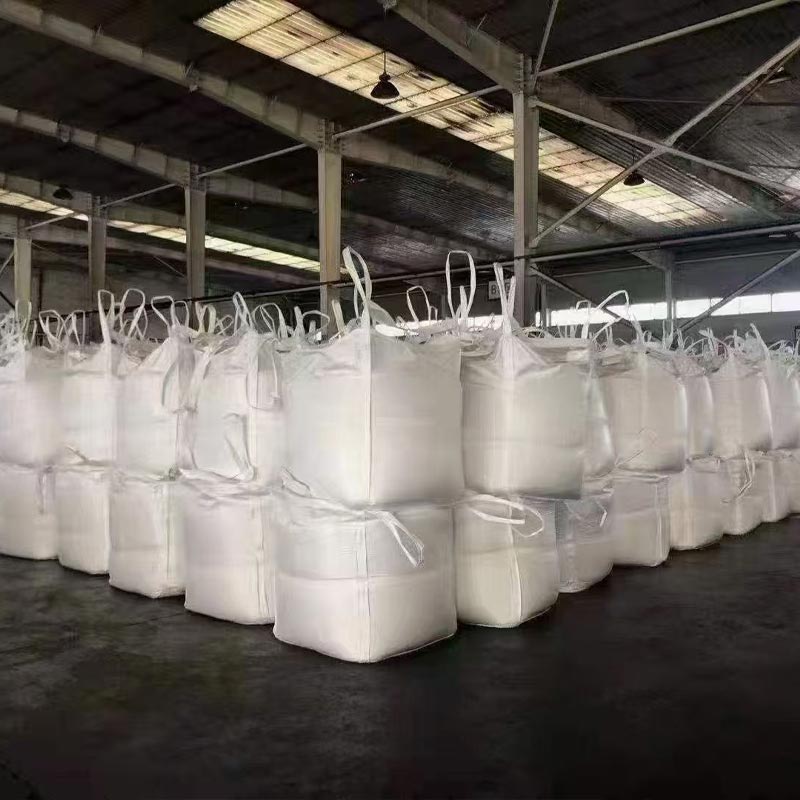
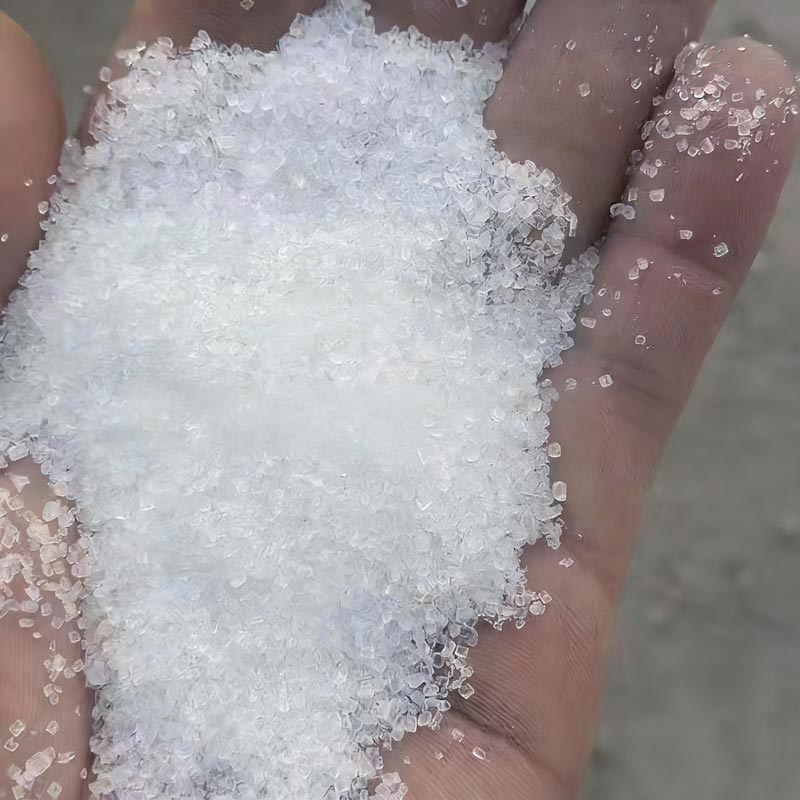
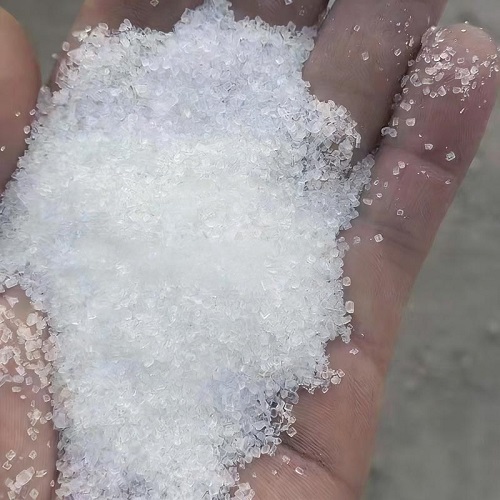
RONGDA high-purity magnesium sulfate has uniform crystals and thorough water solubility, leaving no residue and never blocking drip irrigation and spraying equipment. With stable magnesium content and no heavy metal impurities, it is safe for all fruit orchards. It supports dual purposes of soil base application and foliar spraying, and is highly compatible with various water-soluble fertilizers and nitrogen fertilizers.
FAQ
Q1: Is soil application necessary if foliar spraying improves yellow leaves?
A1: Foliar spraying only relieves superficial deficiency symptoms in the short term. Soil application of magnesium sulfate replenishes soil magnesium reserves fundamentally, which is the key to avoiding recurring yellow leaves. The combination of soil fertilization and foliar spraying achieves the best long-term effect.
Q2: Can magnesium sulfate be mixed with urea and ammonium sulfate?
A2: Yes. Magnesium sulfate is chemically stable and compatible with conventional nitrogen fertilizers. Mixed application realizes simultaneous nitrogen and magnesium supplement, promotes nutrient synergistic absorption, and improves tree growth and leaf recovery efficiency.
Q3: How many times should magnesium sulfate be applied in one year?
A3: Ordinary orchards only need one base application per year. For orchards with severe magnesium deficiency and repeated yellow leaves, one additional fertigation in the fruit expansion stage can maintain stable soil magnesium levels.
Conclusion
Widespread yellow leaves of field fruit trees are mainly caused by insufficient soil magnesium. As a fast-acting and high-efficiency magnesium fertilizer, magnesium sulfate quickly replenishes soil available magnesium, eliminates leaf chlorosis, and strengthens tree photosynthesis. Reasonable combination of base application and fertigation can steadily optimize orchard soil nutrients. RONGDA high-purity magnesium sulfate provides reliable magnesium supplement solutions for various fruit plantations, helping farmers stabilize yield and improve fruit quality.
Related News
- What Is the Correct Topdressing Method of Ammonium Sulfate for Acid-Loving Crops Such as Tea Trees and Blueberries?
- What Improvement Effects Can Calcium Ammonium Nitrate Bring to Acidified and Compacted Orchard Soil?
- What Are the Correct Flushing & Application Skills for Water-Soluble NPK Fertilizers in Integrated Water-Fertilizer Planting?
- What Long-Term Soil Improvement Benefits Does Base Application of Granular Calcium Magnesium Bring to Greenhouse Vegetables With Continuous Cropping Acidified Soil?
- How to Grasp the Optimal Spraying Period of Magnesium Sulfate to Improve Yellow Leaves Caused by Magnesium Deficiency in Field Crops
- What Practical Benefits Do Water-Soluble NPK Fertilizers Bring to Nutrient Supplement in Acidified Orchards?
Leave me a message