
Why Does Crop Growth Weaken After Magnesium Supplementation? How Blind Magnesium Fertilization Antagonizes Calcium and Potassium Uptake
Magnesium is an essential secondary-nutrient for crops, and Magnesium sulfate is widely used for magnesium supplementation. However, excessive magnesium application may hinder crop growth, suppress new-shoot development and slow fruit expansion. Based on real-world agronomic cases, Rongda explains magnesium-calcium-potassium antagonism, summarizes common fertilization mistakes, and offers practical guidance to avoid yield losses from nutrient imbalance.
Table of Contents
1. Poor Crop Performance After Magnesium Application: Field Observation
2. Nutrient Antagonism: Competition Between Magnesium, Calcium and Potassium
3. Main Causes of Magnesium-Calcium-Potassium Imbalance
4. Distinguish True Magnesium Deficiency from Antagonism-Induced Deficiency
5. Best Practices for Magnesium Sulfate Application
6. Sourcing Tips: Rongda Magnesium Sulfate
1. Poor Crop Performance After Magnesium Application: Field Observation
Many growers apply higher rates of Magnesium sulfate upon seeing yellowing old leaves. Counterintuitively, some crops grow worse: root activity drops, fruit expansion stalls, accompanied by calcium-related fruit cracking / blossom-end rot or potassium-related low stress tolerance.
This is rarely caused by poor fertilizer quality. Excess magnesium disturbs soil cation balance and triggers nutrient antagonism, blocking calcium and potassium uptake and creating secondary deficiencies.
2. Nutrient Antagonism: Competition Between Magnesium, Calcium and Potassium
Soil colloids have limited adsorption sites. Magnesium, calcium and potassium are cations competing for these sites. - Too much magnesium occupies adsorption sites and inhibits calcium & potassium absorption. - Excess potassium or calcium will likewise restrain magnesium uptake.
A proper ratio among the three elements is required. Over-dosing one nutrient will cause “more application, more deficiency”. Rongda has witnessed many overseas plantations suffer yield loss from blind magnesium fertigation.
3. Main Causes of Magnesium-Calcium-Potassium Imbalance
1. Heavy magnesium application merely based on leaf yellowing (yellowing can also result from drought, root disease or soil salinization).
2. Long-term single use of Magnesium sulfate without calcium-potassium matching scheme.
3. High-concentration pulsed dosing via drip irrigation, causing local magnesium ion surge.
4. Applying magnesium when soil magnesium reserve is already sufficient while roots cannot absorb nutrients normally.
4. Distinguish True Magnesium Deficiency from Antagonism-Induced Deficiency
True magnesium deficiency - Interveinal chlorosis on old leaves with green veins - Mostly occurs during heavy fruiting periods - Soil test shows low available magnesium
Antagonism-caused secondary deficiency - Yellowing gets worse after magnesium fertilization - Along with calcium / potassium deficiency symptoms - Soil magnesium level is adequate yet calcium-potassium absorption is blocked
Recommend soil and leaf tissue diagnosis instead of judging only by leaf appearance.
5. Best Practices for Magnesium sulfate Application
1. Diagnose problems before fertilizing, avoid blind heavy magnesium input.
2. Apply magnesium together with calcium and potassium to maintain cation balance.
3. Adopt small-and-frequent dosage for drip irrigation; avoid one-shot high-concentration fertigation.
4. Separate basal dressing and top-dressing. Use split low-dose top-dressing during fruiting phase.
5. Improve saline soil condition first before supplementing secondary nutrients.
6. Sourcing Tips: Rongda Magnesium sulfate
Besides magnesium content, pay attention to fertilizer purity, water-solubility and impurity indicators. High impurities will worsen soil ion disorder.
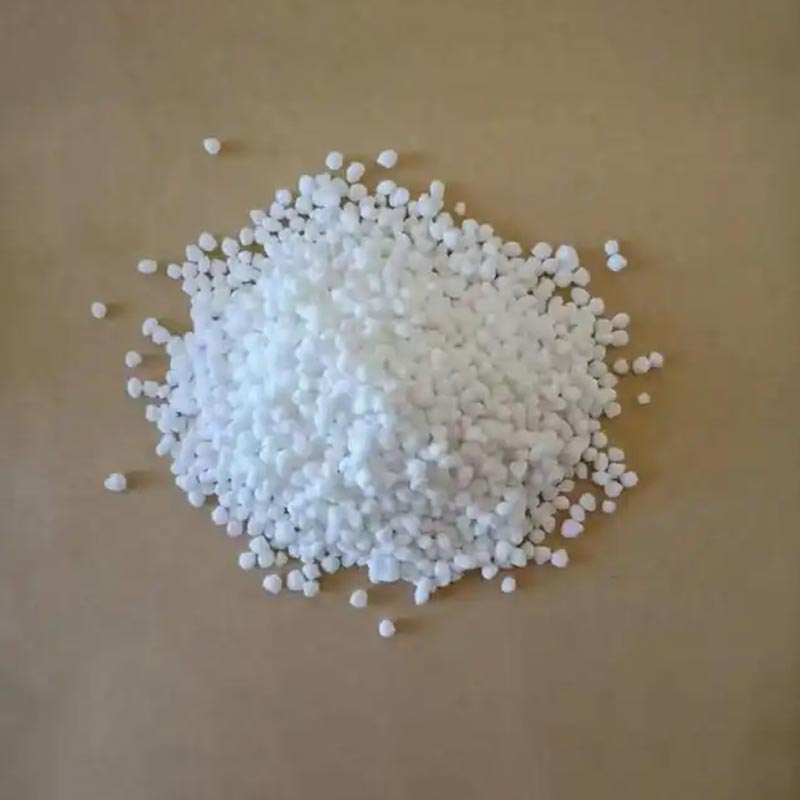
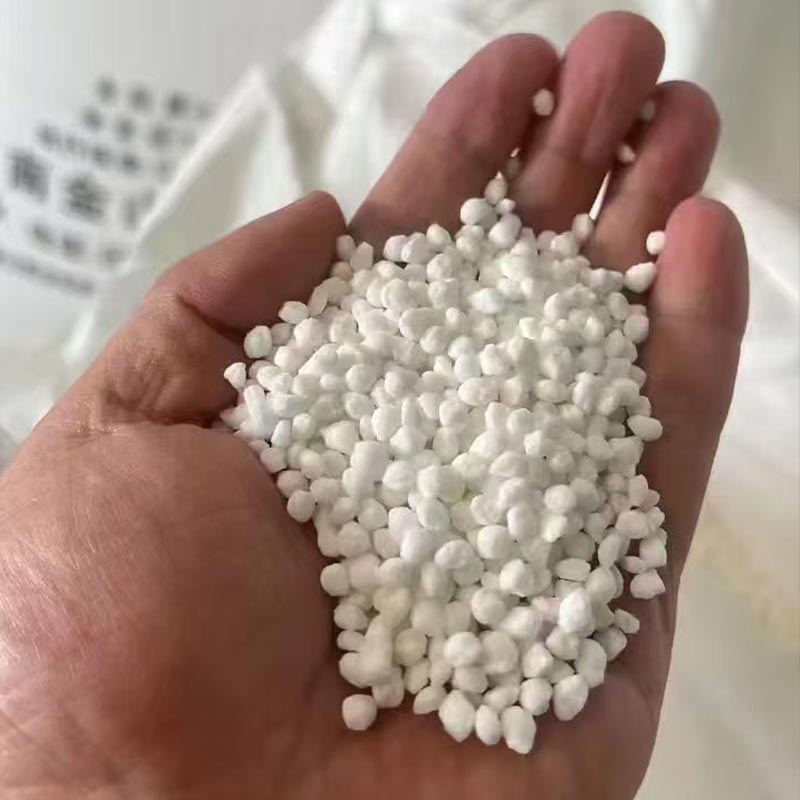
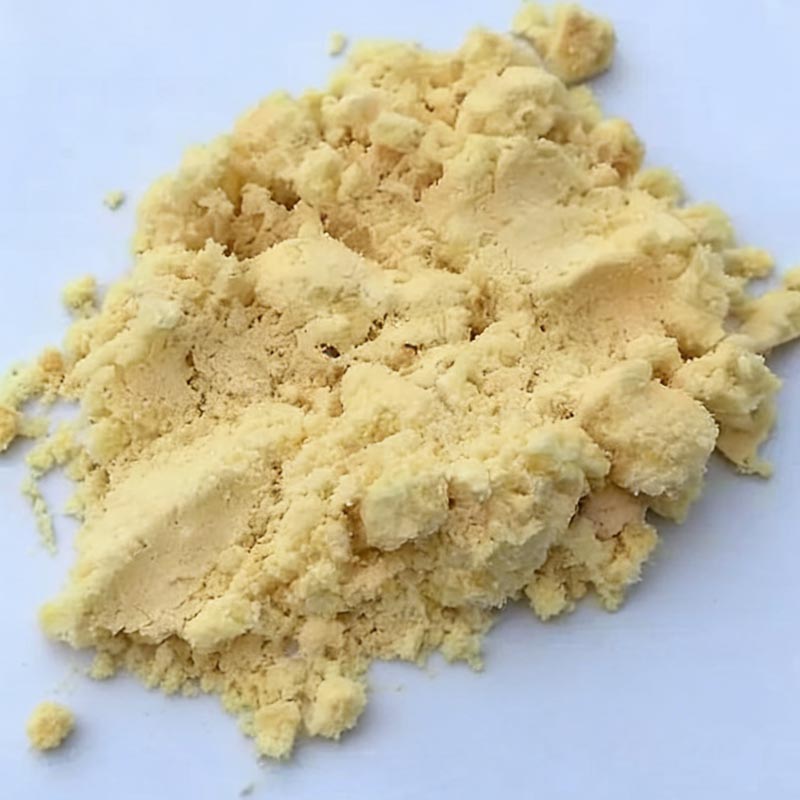
Rongda provides granular Magnesium sulfate and monohydrate Magnesium sulfate. Full documents including COA, MSDS are supplied for customs clearance and inspection. Overseas buyers are suggested to formulate complete nutrient schemes against local soil reports, rather than relying solely on Magnesium sulfate to solve leaf yellowing.
7.Conclusion
More magnesium fertilizer does not equal better growth. Blind over-application triggers cation antagonism and reduces yield. Scientific fertilization based on soil testing with coordinated nutrients can maximize Magnesium sulfate efficiency.
Related News
- Will Continuous Application of Magnesium Sulfate on Acidic Soil Aggravate Soil Acidification?
- How Do Controlled-Release Curves Match Crop Demand?
- Can Magnesium Sulfate Be Used in Saline-Alkali Soil? What Are the Risks of Long-Term Application?
- How Do You Turn a Soil Test into a Blend Sheet?
- How Does Applying Magnesium Sulfate After Grape Harvest Help Bud Burst in the Next Year?
- Which Magnesium Sulfate Fits Your Ground?
Leave me a message