
Powder or Liquid? Choosing the Right Water-Soluble Fertilizer Format
The same 20-10-20 analysis can arrive as a crystalline powder or as a ready-made liquid, and the agronomy in the tank is identical - but the freight bill, the shelf life, the cold-weather behavior and the dosing discipline are not. This article compares the two formats on chemistry, logistics, quality control and market fit, then gives a decision path for importers and growers.
In this article
- Two Formats, One Chemistry
- The Freight Math
- Handling and Dosing Accuracy
- Quality Checkpoints by Format
- Market and Crop Fit
- The Honest Limits
- Buying and Using Basics
- Frequently Asked Questions
- Conclusion
Two Formats, One Chemistry
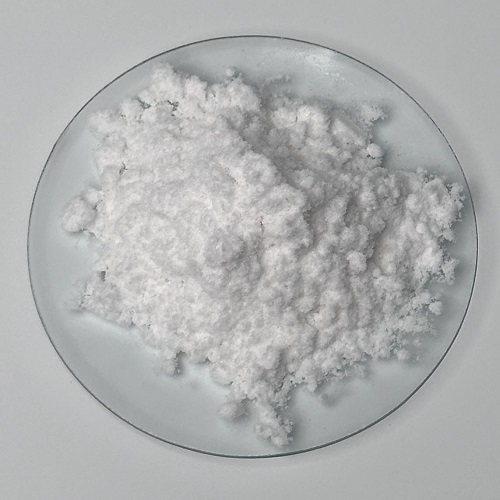
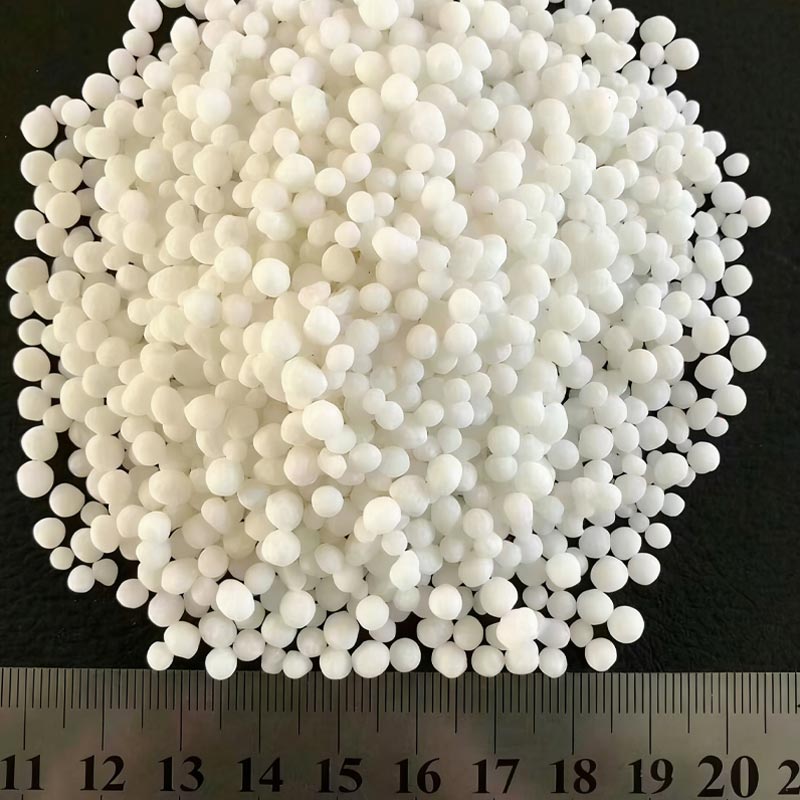
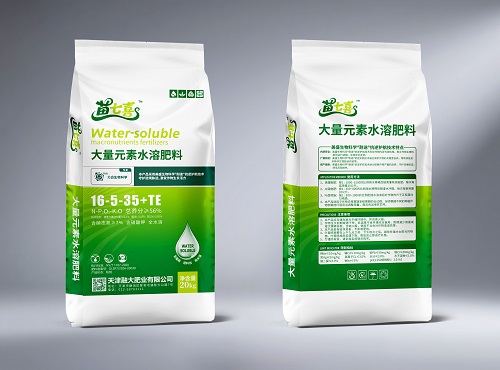
Powders and crystals are fully formulated dry water-soluble fertilizers - the complete NPK plus micros in one bag, dissolved at the farm. Liquids are concentrated true solutions (or suspensions) shipped ready to inject. Both formats feed crops through the same drip lines under the same tank rules; the difference is where the water is added - at the factory or at the farm.
The Freight Math
Water is heavy freight. A crystalline powder ships at full analysis - every kilogram in the container is nutrient. A typical liquid concentrate carries a fraction of that analysis - commonly 5-15% total nutrients against a powder's 50%+ - which means roughly three to ten times the tonnage (and container volume) to deliver the same nutrients. Multiply by ocean freight and warehouse space, and the landed cost per kilogram of nutrient usually favors powder decisively on long sea routes. Liquids claw some of it back where production sits close to the farm gate.
Handling and Dosing Accuracy
- Liquids win on convenience: no dissolution step, instant uniform dosing with venturi or dosing pumps, no dust, no mixing errors in the dark at 5 a.m.
- Powders win on stability: years of shelf life when kept dry, no cold-weather crystallization or salt-out, no settling to shake back into suspension.
- Powders demand dissolution discipline - the full-dissolution, tank-order and EC rules apply with more, not less, force. A half-dissolved powder is a clogged emitter waiting for its moment.
Quality Checkpoints by Format
- For powders: moisture content, caking resistance, dissolution test - a clear solution with no residue in minutes - and uniform micro distribution.
- For liquids: salt-out temperature (the point where crystals form in cold storage), sediment, pH stability across shelf life, and true solution versus suspension labeling - a suspension that settles hard is a failed product.
- For both: the declared analysis on the COA, matched to an independent sample, remains the only quality that counts.
Market and Crop Fit
- Long-haul import programs - Asia, Africa, Latin America - are powder territory: analysis density pays the freight.
- Retail and smallholder sachets are powder-friendly: light, stable, divisible into 1-5 kg packs that survive village shops.
- Large estates near local production with dosing infrastructure can justify liquids for labor savings and dosing precision.
- Cold-climate operations lean powder: a liquid that salt-outs in a January warehouse is a liability.
- Specialty niches - clear liquids with fully chelated micros, or amino-acid concentrates - keep liquids competitive where product identity matters more than nutrient tonnage.
The Honest Limits
- "Liquid" does not mean "more advanced", and "powder" does not mean "cheaper" once labor, water and waste are counted - run the full cost, not the bag price.
- Suspensions need agitation at the tank; a buyer without mixing equipment should not buy a suspension.
- Powder quality lives and dies by moisture control in the warehouse; the best bag fails in a damp shed.
- Any format's "100% water soluble" is a claim until a dissolution test in your own water says otherwise.
Buying and Using Basics
- For liquids, put the salt-out temperature and storage window in the purchase order; for powders, moisture and anti-caking specs.
- Trial one pallet before committing a season - dissolution in your water beats any datasheet.
- Match pack sizes to the last mile: sachets for retail, 25 kg bags for estates, IBCs and drums only where handling equipment exists.
- Convert between formats by nutrient, not by volume - recalculate EC and dosing when switching programs.
Frequently Asked Questions
Q1:Which format dissolves faster?
Fine crystals dissolve quickest, but the real question is full dissolution - every format must leave a clear solution with no residue.
Q2:Can I switch my program from liquid to powder?
Yes - recalculate by nutrient content and check EC at the same dose; agronomy survives the format change.
Q3:What is the shelf life difference?
Dry powders keep for years; liquids age with temperature - hence the salt-out spec.
Q4:Is liquid worth the freight anywhere?
Where production is near the farm, where dosing precision is critical, or where the product's identity (clear chelated solution, amino concentrate) is the point - yes.
Conclusion
Powder versus liquid is not a chemistry question - it is a logistics and discipline question. Full-analysis powders dominate long-haul import math; liquids buy convenience where distance is short and dosing precision pays. Choose by route, storage and labor - and let a dissolution test in your own water make the final call.
If you are looking for a reliable fertilizer supplier that offers consistent quality and professional support, Tianjin Rongda Fertilizer Co., Ltd. is ready to help. Contact us today to learn how our fertilizer solutions can improve your agricultural productivity.
Related News
- Which Starter Fertilizer Is Safe for Seedlings and Young Transplants?
- Can Calcium Magnesium Granules Be Foliar Sprayed for Magnesium Deficiency Causing Yellow Old Leaves in Fruit Trees?
- When Does Foliar Feeding Beat Soil Application for Crop Nutrition?
- When to Apply Calcium Magnesium Granules for Fast Relief from Blossom-End Rot in Tomatoes
- Why Does Soil pH Decide Which Fertilizer Works Best on Your Field?
- Why Are Calcium Magnesium Granules More Reliable for Fruit Cracking Prevention Than Single Calcium Fertilizers for Calcium Supplementation?
Leave me a message
New Products


News Recommendations