
Can Calcium Magnesium Granules Be Used Together with Quicklime for Soil Improvement?
Quicklime is a widely used fast-acting acid corrector, while Rongda calcium magnesium granules are slow-release conditioners that supply secondary nutrients and maintain soil stability. Many growers intend to combine them to rescue heavily acidified soil, yet worry about excessive alkalization and nutrient inactivation. This article compares their working mechanisms, clarifies whether they can be combined, shares safe operating methods, application taboos and alternative plans, helping you balance rapid acid neutralization and long-term soil nutrition.
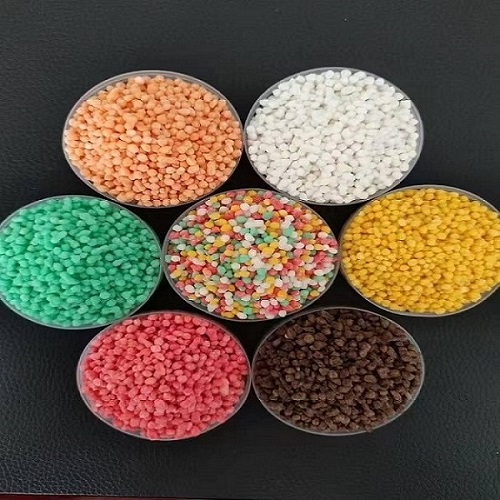
Table of Contents
1. Working Mechanism: Quicklime vs Rongda Calcium Magnesium Granules
2. Can They Be Applied Together?
3. Practical Schedule for Sequential Application
4. Scenarios Where Combined Use Is Not Recommended
5. Key Risks of Combined Soil Amendment
1. Working Mechanism: Quicklime vs Rongda Calcium Magnesium Granules
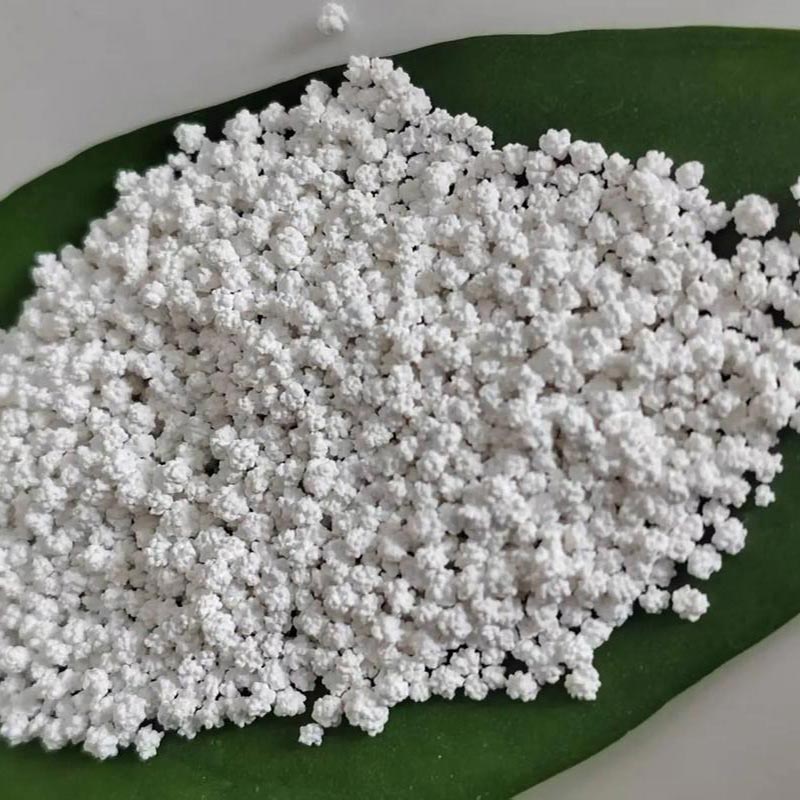
Quicklime is made mainly of calcium oxide, a fast-acting strong alkaline soil amendment. Once hydrated, it reacts rapidly to neutralize hydrogen ions and reduce soil acidity quickly. It also helps suppress soil pathogens, yet it may cause sharp pH fluctuation and cannot sustain long-term nutrient supply.
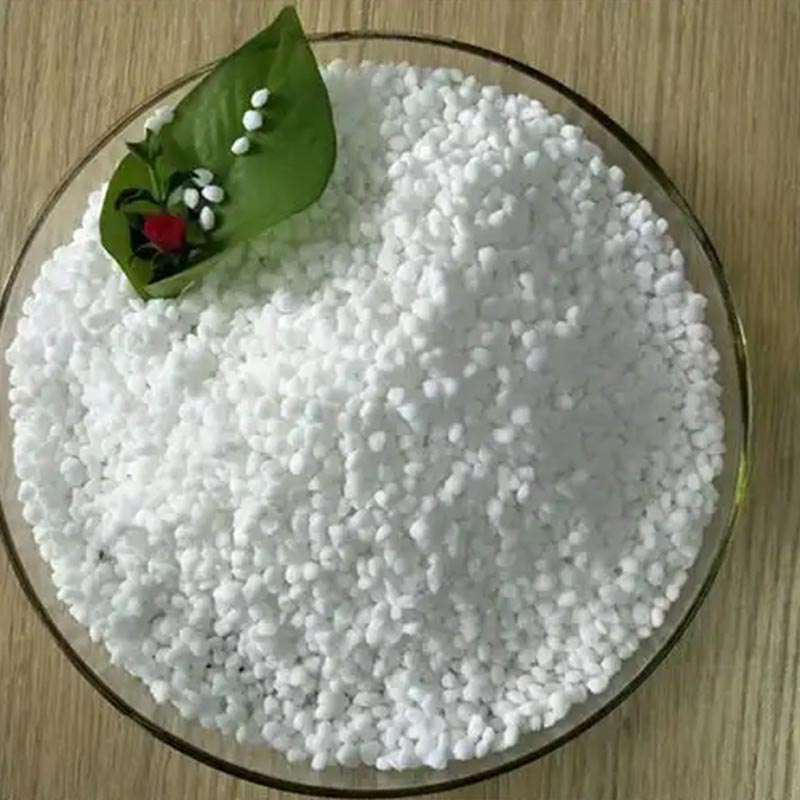
Rongda calcium magnesium granules are dominated by calcium carbonate and magnesium carbonate, classified as slow-release soil conditioners. They neutralize acid gently over an extended period, steadily release available calcium and magnesium, rebuild soil buffering capacity and create a stable rooting environment without sudden pH jumps.
In short: quicklime delivers fast acid correction; Rongda calcium magnesium granules focus on long-term soil maintenance and steady secondary nutrient supply.
2. Can They Be Applied Together?
Direct mixing and simultaneous broadcasting are not recommended, but sequential application is acceptable for targeted soil remediation.
If you mix quicklime and Rongda calcium magnesium granules and spread them at the same time, quicklime will release massive heat and push local pH extremely high. Phosphorus, iron and zinc will be immobilized, nutrient availability drops sharply. In severe cases, tender roots get burned and beneficial soil microbes are damaged.
For heavily acidified fields, you may apply them in sequence to combine rapid neutralization and lasting soil stabilization.
3. Practical Schedule for Sequential Application
For heavily acidified soil with pH below 5.0, follow this workflow:
1. First: Apply quicklime, plow thoroughly, irrigate and leave the soil for curing. Keep a 4–6 weeks interval so quicklime can finish its reaction and pH stabilizes.
2. Second: Broadcast or furrow apply Rongda calcium magnesium granules after the waiting period, then mix evenly into the plow layer.
Always dose quicklime according to soil test results. Use Rongda calcium magnesium granules at the standard dosage for acid soil remediation; do not increase the rate unnecessarily.
For mildly or moderately acidified soil, Rongda calcium magnesium granules alone are sufficient. Adding quicklime raises the risk of over-correction.
4. Scenarios Where Combined Use Is Not Recommended
· Soil with standing crops: Avoid heavy application of either material, and never combine them, for root burn risk is high.
· Saline or salt-affected soil: Both materials raise pH and will worsen alkalinity and induce nutrient deficiency chlorosis.
· Acid-loving crops such as blueberries and tea: Quicklime should be avoided; Rongda calcium magnesium granules can only be used with extreme caution at low rates.
· Fields planned for organic fertilizer or microbial inoculants: Quicklime kills beneficial bacteria, so extra long intervals are required.
5. Key Risks of Combined Soil Amendment
First, double alkaline input may easily overcorrect soil pH. If dosage and timing are poorly controlled, the soil turns alkaline, locking up phosphorus, manganese and boron and triggering hidden nutrient deficiency.
Second, the microbial community will be disrupted. Strong alkalinity from quicklime suppresses native microbes if the resting interval is too short.
Third, quicklime works fast but fades rapidly. Soil tends to re-acidify in the next season without follow-up maintenance, which is where Rongda calcium magnesium granules play an important role.
6. A Safer Rotation Strategy
For most orchards and open vegetable land, rotation is the lowest-risk option:
· Year One: Quicklime for heavy acid remediation
· Year Two & Three: Rongda calcium magnesium granules to stabilize pH and continuously supply calcium and magnesium
Run annual soil testing and adjust plans based on real pH readings, instead of blindly applying alkaline amendments year after year.
Conclusion
Rongda calcium magnesium granules and quicklime should not be mixed and broadcast together, but they can be used sequentially to restore severely acidic soil. For mild and moderate acidification, Rongda calcium magnesium granules are preferred for gentle improvement. Only extremely acidic soil is suitable for quicklime first, followed by Rongda calcium magnesium granules after a proper waiting period. With well-spaced application, you can avoid over-alkalization and achieve acid adjustment, soil restoration and secondary nutrient supplementation at the same time.
Related News
- Which Starter Fertilizer Is Safe for Seedlings and Young Transplants?
- Can Calcium Magnesium Granules Be Foliar Sprayed for Magnesium Deficiency Causing Yellow Old Leaves in Fruit Trees?
- When Does Foliar Feeding Beat Soil Application for Crop Nutrition?
- When to Apply Calcium Magnesium Granules for Fast Relief from Blossom-End Rot in Tomatoes
- Why Does Soil pH Decide Which Fertilizer Works Best on Your Field?
- Why Are Calcium Magnesium Granules More Reliable for Fruit Cracking Prevention Than Single Calcium Fertilizers for Calcium Supplementation?
Leave me a message
New Products
News Recommendations