
Nitrate or Ammonium? How the Form of Nitrogen Changes Crop Response
Two bags can both say "20% nitrogen" and behave nothing alike, because the form - nitrate or ammonium - decides how fast the crop takes it up, what it does to the soil, and how it is lost. This article explains the two forms' behavior in plant and soil, the filters that decide which fits a field, and how products mixing both forms - calcium ammonium nitrate above all - put the science to work.
In this article
Products and Their Form Ratios
Two Forms, Two Behaviors
Nitrate (NO3-) is an anion: soil particles do not hold it, so it moves freely with soil water - straight to roots when moisture and roots agree, straight past them when they do not. Plants absorb and assimilate it directly; no soil conversion step stands in the way.
Ammonium (NH4+) is a cation: clay and organic matter hold it on exchange sites, so it stays put near where it was placed. Roots take it up readily, but soil microbes must nitrify it to nitrate over days to weeks before that portion becomes mobile. Along the way, nitrification releases acidity - every ammonium-based nitrogen is a slow acid program.
What the Crop Does With Each
- Nitrate-fed plants pay an energy cost to assimilate nitrate, but the form supports strong vegetative growth and, importantly, enhances uptake of the other cations - calcium and magnesium ride along better when nitrate leads the program.
- Ammonium-fed plants assimilate their nitrogen more cheaply, and in cool, low-light conditions that efficiency can show. But chronic excess ammonium acidifies the root zone and competes with calcium, magnesium and potassium uptake - leaf scorch and cation imbalance are the classic signatures of overdone ammonium.
- Flooded rice is the standing exception: in anaerobic paddies, nitrate is lost to denitrification while ammonium remains stable and available - which is why ammonium sources have ruled paddy chemistry for a century.
Soil and Climate Filters
- Cold soils slow nitrification to a crawl - ammonium stays ammonium, which suits an early season but delays mobility. Warm soils convert ammonium quickly; the form question fades as the season runs.
- Alkaline and calcareous soils welcome the mild acidity of ammonium programs, which helps unlock phosphorus and micronutrients. Already-acidic soils have no such appetite.
- Sandy, leaching soils lose nitrate fastest - which argues for ammonium-leaning programs or for splitting nitrate doses.
- Flooded or poorly drained fields lose nitrate to denitrification; ammonium is the safe store of nitrogen there.
Products and Their Form Ratios
- Urea starts as amide nitrogen and converts to ammonium within days - functionally an ammonium program with a conversion delay and a volatilization window.
- Ammonium sulfate and ammonium chloride deliver 100% ammonium, with sulfur or chloride attached.
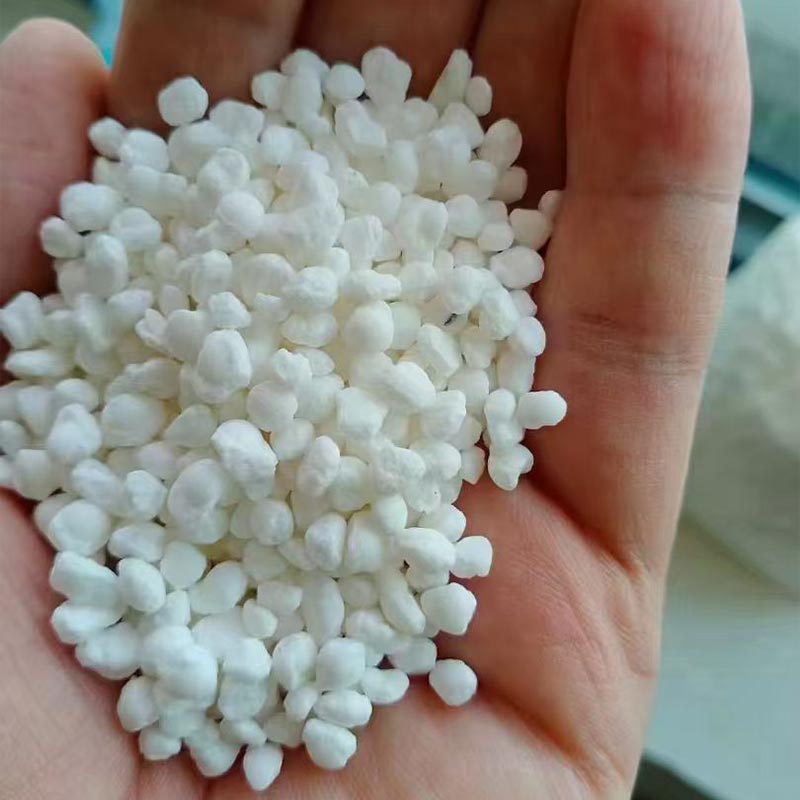
- Calcium ammonium nitrate (CAN) deliberately mixes both forms - water-soluble fertigation grades commonly run about 1.1% ammonium with 14.4% nitrate alongside 19% calcium, and granular field grades carry their own declared split. The design logic is straight agronomy: a fast nitrate start, an ammonium persistence, and calcium riding along. Always read the declared nitrate/ammonium split on the COA for the exact grade you are buying, since ratios vary by market.
The Honest Limits
- Form is one variable beside rate, timing and placement. A well-timed urea program will outperform a badly timed "premium" nitrate program every season.
- "Nitrate means quality" claims overreach: quality responses come from the whole program - especially potassium and water - not from the form alone.
- Ammonium toxicity is a management error, not a product defect; it appears where rates ignore soil temperature and aeration.
- Mixed-form products cost more per kilogram of nitrogen than straights. The premium buys form balance and calcium - decide if your field is the field that needs both.
Buying and Using Basics
- Ask for the declared nitrate/ammonium split, not just total N, on any product that claims form balance.
- Store CAN and other nitrate products dry and away from combustibles; follow the supplier's MSDS.
- For fertigation, confirm the product is the water-soluble grade and check its solution pH behavior with your water.
- In blends, remember nitrate carriers and ammonium carriers can coexist - the form mix is a design decision, not an accident.
Frequently Asked Questions
Q1: Which form should seedlings receive?
Modest doses of a mixed or nitrate-leaning solution at low EC; raw ammonium at high strength burns young roots and acidifies a small root ball fast.
Q2: Can I switch forms mid-season?
Yes - top-dressing choices change the form mix field by field; that is exactly how experienced programs use straights and CAN together.
Q3: Is nitrate nitrogen safer for chloride-sensitive crops?
Unrelated. Chloride content is a separate variable from nitrogen form; check the chloride line instead.
Q4: Why do palm and rice programs stay ammonium-heavy?
Flooded paddies keep ammonium stable, and palm tolerates the chloride and acidity that often come with economical ammonium sources.
Conclusion
Nitrogen form is the hidden line on the label that changes what the crop feels. Read it, match it to soil temperature, pH and drainage, and use mixed-form products where their balance earns the premium - then the bag's fine print starts working for the field instead of against it.
If you are looking for a reliable fertilizer supplier that offers consistent quality and professional support, Tianjin Rongda Fertilizer Co., Ltd. is ready to help. Contact us today to learn how our fertilizer solutions can improve your agricultural productivity.
Related News
- Which Starter Fertilizer Is Safe for Seedlings and Young Transplants?
- Can Calcium Magnesium Granules Be Foliar Sprayed for Magnesium Deficiency Causing Yellow Old Leaves in Fruit Trees?
- When Does Foliar Feeding Beat Soil Application for Crop Nutrition?
- When to Apply Calcium Magnesium Granules for Fast Relief from Blossom-End Rot in Tomatoes
- Why Does Soil pH Decide Which Fertilizer Works Best on Your Field?
- Why Are Calcium Magnesium Granules More Reliable for Fruit Cracking Prevention Than Single Calcium Fertilizers for Calcium Supplementation?
Leave me a message
New Products


News Recommendations