
What Are the Core Advantages of Slow-Release Fertilizers Compared With Regular Fertilizers?
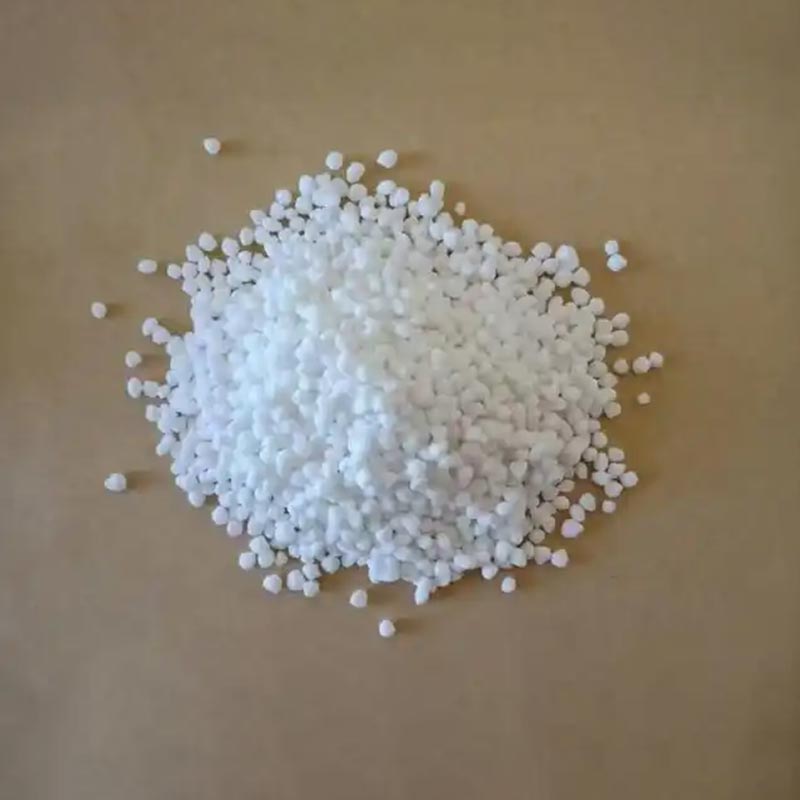
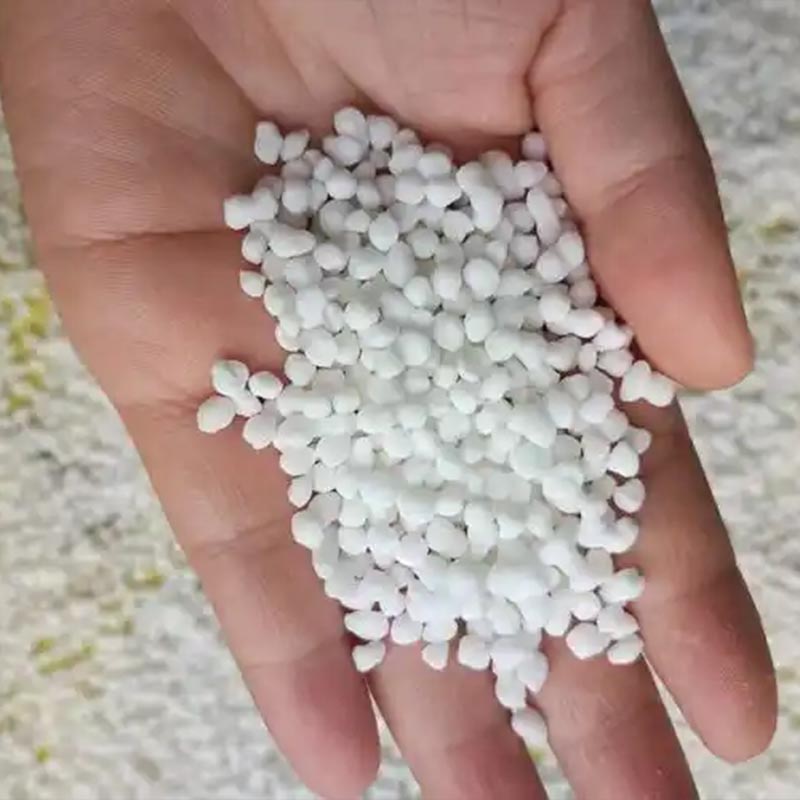
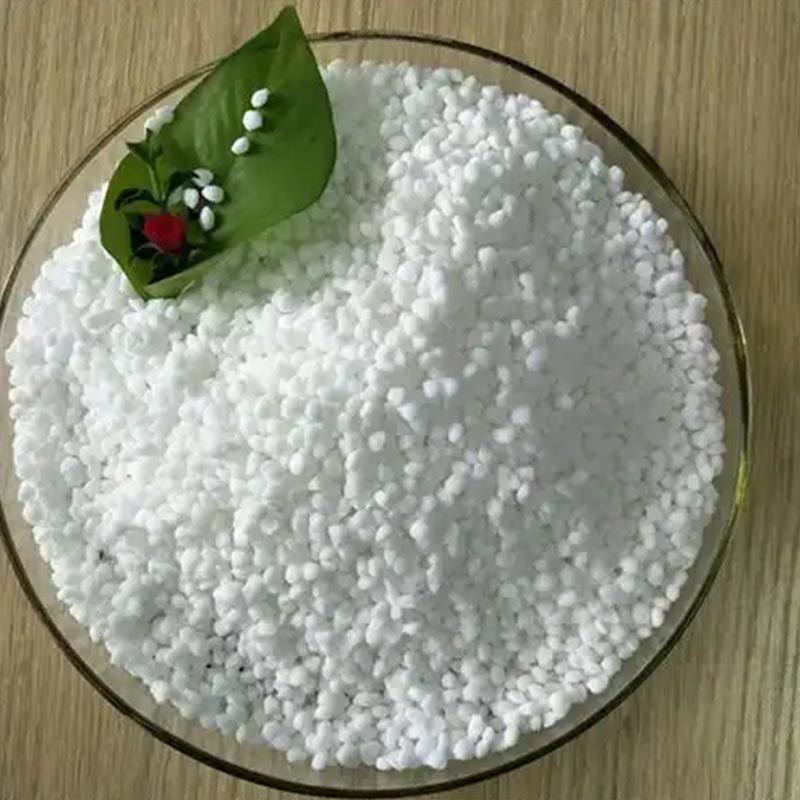
In modern agricultural planting, fertilizer selection plays a decisive role in crop growth, yield, and overall planting costs. Traditional regular fertilizers come with prominent drawbacks, including low nutrient utilization rates, cumbersome fertilization procedures, frequent crop disease outbreaks, and inferior agricultural product quality. As an innovative and high-efficiency fertilizer solution, slow-release fertilizers make up for all the shortcomings of conventional fertilizers through professional nutrient slow-release technology. They are widely applicable to field planting, no-till farming, soilless cultivation, and various modern planting modes. This article comprehensively analyzes the key benefits of slow-release fertilizers to help growers make informed fertilizer selection decisions.

Table of Contents
• Improve Fertilizer Utilization and Reduce Planting Costs
• Simplify Fertilization Procedures and Save Labor Costs
• Minimize Crop Diseases and Improve Agricultural Product Quality
Improve Fertilizer Utilization and Reduce Planting Costs
Most traditional regular fertilizers adopt a fast-acting nutrient release mechanism. After being applied to the soil, nutrients are easily lost through gas volatilization and rainwater leaching. The majority of nutrients fail to be absorbed and utilized by crops, resulting in severe fertilizer waste, increased agricultural input costs, and unintended soil environmental pollution.
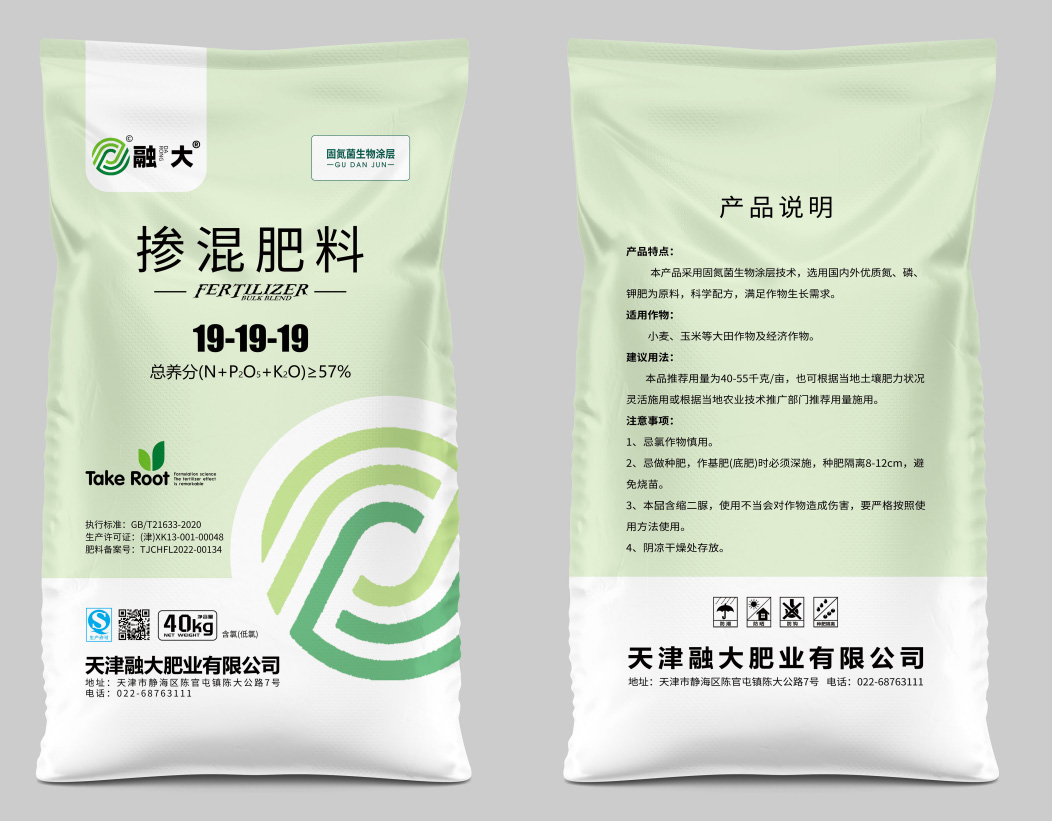
Slow-release fertilizers apply advanced controlled-release technology to release nutrients steadily in line with crop growth cycles, fundamentally reducing nutrient volatilization and loss. Multiple field agricultural experiments have verified that the nutrient utilization rate of ordinary fertilizers is only about 35%, while slow-release fertilizers can nearly double this utilization efficiency. Meanwhile, they significantly reduce nitrogen loss, cutting nitrogen fertilizer usage by 30% to 50%. In long-term agricultural production, this effectively lowers agricultural material costs and achieves cost reduction and efficiency improvement.
Simplify Fertilization Procedures and Save Labor Costs
Modern agriculture is currently facing widespread challenges such as labor shortages and unstable field water supply. Simplifying fertilization steps and realizing one-time fertilization has become a mainstream trend in the planting industry. However, conventional one-time compound fertilizers on the market release nutrients too quickly, easily causing excessive seedling growth in the early stage and nutrient deficiency and premature aging in the later growth stage. These problems seriously affect crop growth cycles and final yields, bringing huge hidden risks to agricultural production.
Slow-release fertilizers can customize nutrient release cycles and rates accurately, matching nutrient supply perfectly with crop absorption rules throughout the entire growth season. One single application during sowing can provide sufficient nutrients for crops throughout their growth period, completely avoiding the defects of traditional one-time fertilization. In addition, these fertilizers feature strong compatibility and flexibility. They are perfectly suitable for no-till farming and soilless cultivation, supporting simultaneous sowing and fertilization with only watering required for seedling growth. They effectively solve the problem of poor seedling growth caused by improperly proportioned nutrient solutions in soilless planting, greatly simplifying daily planting operations.
Minimize Crop Diseases and Improve Agricultural Product Quality
Agricultural planting practices prove that frequent crop diseases and degraded agricultural product quality are closely related to excessive nitrogen fertilizer application and uncontrolled nitrogen absorption by crops. Conventional fertilizers release nutrients in a concentrated and rapid manner, which easily leads to excessive nitrogen accumulation in soil. Crops that absorb excess nitrogen will develop overgrown branches and leaves with reduced stress resistance, making them more vulnerable to various pests and diseases. This also negatively affects the taste and appearance of agricultural products, ultimately reducing growers’ economic returns.
Slow-release fertilizers precisely control the release dosage and rhythm of nitrogen and other nutrients, preventing excessive nutrient accumulation in soil and over-absorption of nitrogen by crops. This effectively enhances crop stress resistance and reduces the incidence of plant diseases and insect pests. The stable and balanced nutrient supply ensures uniform crop growth and consistent maturity, fundamentally optimizing the appearance, taste, and commercial value of agricultural products.
Summary
Compared with traditional regular fertilizers, slow-release fertilizers possess prominent core advantages including higher nutrient utilization, lower labor consumption, stronger disease resistance, better product quality, and wider applicability. They effectively solve common pain points in traditional agricultural planting, such as severe fertilizer waste, complicated fertilization work, frequent crop diseases, and inferior product quality. These high-efficiency fertilizers not only reduce agricultural material and labor costs but also stably boost crop yields and commercial value. Suitable for traditional field planting, no-till farming, soilless cultivation, and other refined modern planting modes, they serve as the optimal fertilizer choice for large-scale and standardized agricultural production.
FAQ
Q1: Are slow-release fertilizers applicable to all crops?
Yes, slow-release fertilizers are suitable for most food crops, cash crops, fruits, vegetables, flowers, and seedlings. They adapt to various planting scenarios, including open-field farming, greenhouse cultivation, soilless planting, and no-till farming. With extremely high versatility, they are ideal high-efficiency fertilizers for diverse agricultural production needs.
Q2: Is one-time application of slow-release fertilizer sufficient for the entire crop growth cycle?
Under normal climatic and conventional planting conditions, slow-release fertilizers customized for specific crop growth cycles can fully meet the nutrient demands of the whole growth season with only one application during sowing, eliminating the need for multiple topdressings. Only in extremely barren soil or for crops with ultra-long growth cycles can a small amount of supplementary fertilization be applied according to crop growth status, which greatly reduces overall fertilization frequency.
Q3: Why choose slow-release fertilizers despite their higher unit price?
Although the unit price of slow-release fertilizers is slightly higher than that of ordinary fertilizers, they deliver lower comprehensive planting costs and higher economic benefits. On the one hand, they reduce fertilizer consumption by 30% to 50% and cut agricultural material expenses. On the other hand, they save massive labor costs from repeated topdressing, reduce crop disease rates, and improve the market price of agricultural products. The overall planting profit is far higher than that of using traditional fast-acting fertilizers.
Q4: Do slow-release fertilizers cause uneven nutrient release or seedling burning?
High-quality formal slow-release fertilizers adopt stable coated controlled-release technology, realizing uniform and controllable nutrient release. They avoid the sudden concentrated nutrient release of ordinary fast-acting fertilizers, effectively preventing common problems such as seedling burning, root rot, and excessive early seedling growth, with far higher planting safety.
Selecting a professional and reliable fertilizer supplier is essential to optimize your fertilization solutions and maximize planting profits. As a trusted agricultural fertilizer supplier, Tianjin Rongda Fertilizer Industry Co., Ltd. provides high-quality fertilizer products, mature agricultural planting solutions, and professional one-stop technical support. We are committed to helping global growers resolve various planting difficulties, optimize planting management, and achieve stable yield growth and quality upgrading. Feel free to contact our team today to get customized fertilizer solutions for your farm!
Related News
- How Do Controlled-Release Curves Match Crop Demand?
- Can Magnesium Sulfate Be Used in Saline-Alkali Soil? What Are the Risks of Long-Term Application?
- How Do You Turn a Soil Test into a Blend Sheet?
- How Does Applying Magnesium Sulfate After Grape Harvest Help Bud Burst in the Next Year?
- Which Magnesium Sulfate Fits Your Ground?
- Can Foliar Spraying Magnesium Sulfate During Fruit Expansion Improve Fruit Sweetness?
Leave me a message